Joe Henley had never played a professional gig before stepping onto The Voice stage, yet the 19-year-old Alabama singer has already earned recognition from one of country music’s most respected legends, Randy Travis. Now, with a place in the Season 30 Top 8 secured, Henley is beginning to look like an artist whose future could extend far beyond the competition.
While many contestants arrive on The Voice hoping to discover their musical identity, Henley appears to have something unusually valuable for someone his age. His distinctive baritone carries a traditional country sound that feels increasingly rare among young performers, giving him a clear identity in a competition filled with technically impressive vocalists.
His journey began during the September 21 season premiere when he auditioned with Travis Tritt’s 1991 country classic “Anymore.” Kelly Clarkson and Riley Green both turned their chairs, immediately recognizing the potential behind his deep, distinctive voice. What happened next made his introduction to America even more memorable.
After discovering that Henley was a fan of his song “My Way,” Green picked up his guitar and joined the teenager onstage for an impromptu performance. The encounter helped convince Henley to choose the fellow Alabama native as his coach, despite Clarkson’s enthusiastic efforts to recruit him.
However, perhaps the most significant recognition came from someone who wasn’t sitting in one of the famous red chairs. Country music legend Randy Travis praised Henley’s audition on social media, expressing his appreciation for the young singer’s interpretation and predicting a promising future for him.
Receiving encouragement from an artist of Travis’ stature is particularly meaningful considering the musical direction Henley represents. Travis helped bring traditional country music back into mainstream popularity during the 1980s, demonstrating that emotional storytelling and a distinctive baritone could connect with enormous audiences.
Henley’s appeal comes from many of those same qualities. Rather than relying entirely on elaborate vocal runs or spectacular high notes, he has the opportunity to distinguish himself through phrasing, sincerity and the character of his voice. In a competition where contestants are frequently encouraged to deliver bigger and more technically ambitious performances, that approach could become his greatest advantage.
His song selections throughout Season 30 have also revealed an interesting pattern. After introducing himself with Travis Tritt’s “Anymore,” Henley performed Keith Whitley’s “Don’t Close Your Eyes” during Cut Week, earning Green’s support and advancing further in the competition.
Both songs belong to an era of country music in which emotional authenticity was central to an artist’s appeal. They require singers to communicate heartbreak and vulnerability without allowing vocal technique to overwhelm the story. For a performer who is only 19, choosing material associated with such established artists is an ambitious decision.
Henley demonstrated another side of his musical ability on November 16 when he performed Lee Ann Womack’s “I Hope You Dance.” Taking on a song originally made famous by a female country vocalist allowed him to move beyond the male country legends frequently associated with his sound.
The performance earned praise from Green and enough support from viewers to send Henley into the Top 10. More importantly, it provided an encouraging indication that he could explore different material without abandoning the qualities that make his voice recognizable.
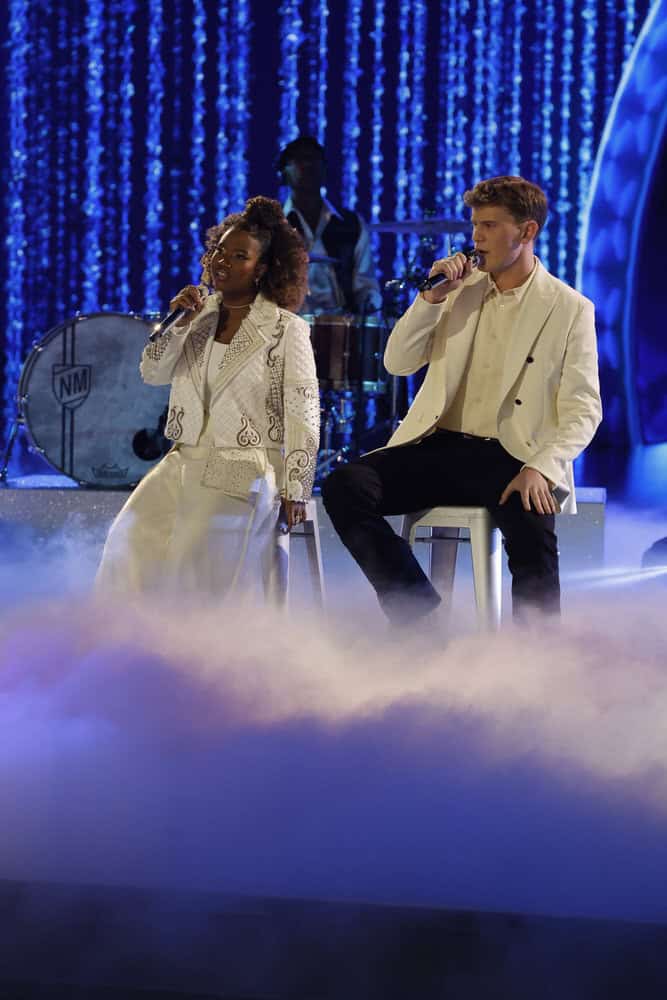
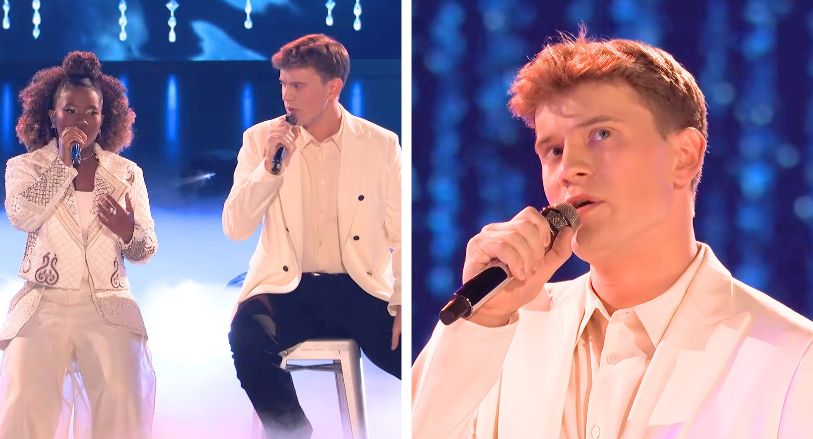
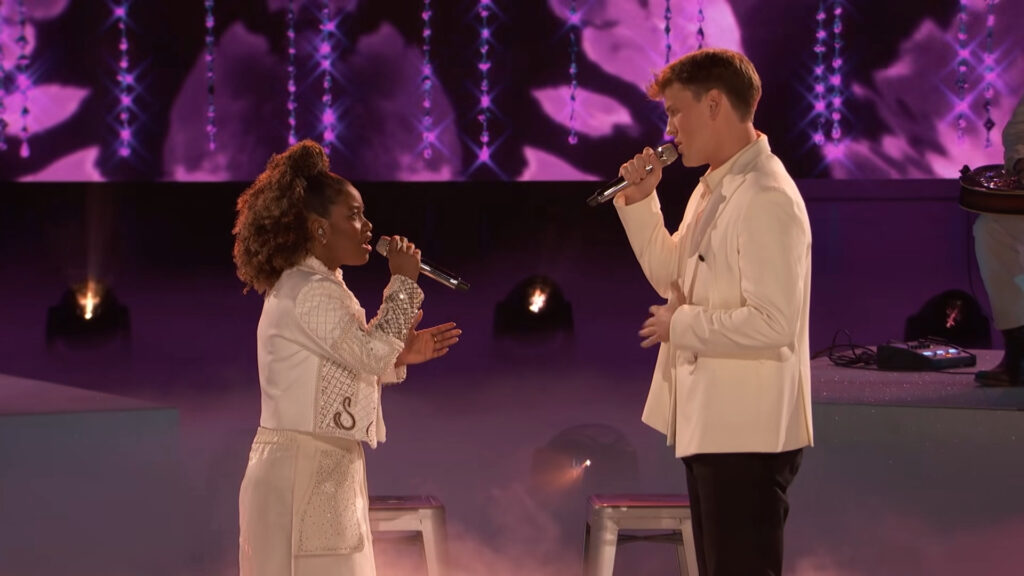
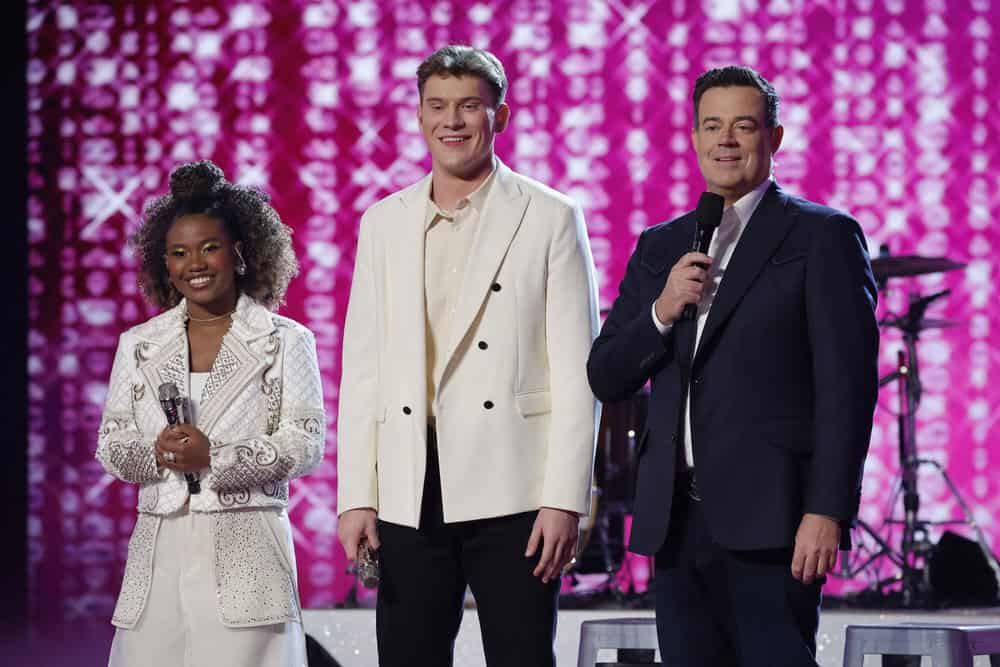
His latest appearance during Dolly Parton Night offered another opportunity to demonstrate that versatility. Performing alongside Koumba Diallo, Henley took on Brad Paisley and Dolly Parton’s “When I Get Where I’m Going,” a deeply emotional song about faith, loss and the hope of being reunited with loved ones.
Both contestants advanced to the Top 8, keeping their championship dreams alive. But for Henley, the bigger challenge may be determining how far he should move outside his established musical identity as the competition approaches its final weeks.
There is an important distinction between becoming a successful singing competition contestant and becoming a recognizable recording artist. The former often requires versatility across numerous genres, while the latter can depend heavily on developing a sound that listeners immediately recognize.
Henley already possesses a foundation for the second of those achievements.
His partnership with Riley Green could prove particularly valuable in that respect. Green has established himself in contemporary country music while maintaining strong connections to Southern culture and traditional country influences. His experience offers Henley an opportunity to learn from someone who understands how those musical traditions can remain relevant to modern audiences.
However, Green also faces an interesting coaching challenge. Encouraging Henley to expand his vocal abilities without sacrificing his natural strengths requires careful judgment. Pushing him toward increasingly ambitious vocal performances might demonstrate greater range, but it could also move him away from the understated qualities that initially made him stand out.
That balance could become especially important on November 30, when The Voice introduces its TikTok-themed live show. The remaining eight acts will perform songs that gained popularity on the platform, potentially creating opportunities for unexpected arrangements and musical experimentation.
For Henley, the upcoming episode could represent an opportunity to demonstrate how a traditional country voice fits into today’s musical landscape. A carefully selected song could introduce his sound to younger listeners while retaining the characteristics that appeal to longtime country music fans.
Regardless of whether he ultimately wins Season 30, his experience raises an interesting possibility. Could a teenager who entered the competition without professional performance experience emerge with the foundations of a genuine Nashville career?
There is certainly no guarantee. Building a sustainable recording career requires more than delivering memorable television performances. Finding the right original material, developing as a live entertainer and establishing a loyal audience are challenges that every emerging country artist must confront.
Nevertheless, Henley has already demonstrated something that cannot easily be manufactured through coaching: a recognizable vocal character. His progress from an inexperienced performer to a Top 8 contestant also suggests that he has considerable room to grow.
In my view, Henley’s strongest path forward is not trying to become the biggest vocalist on The Voice. It is becoming the most recognizable version of himself. Comparisons to Randy Travis and other country legends are flattering, but his greatest achievement would be developing a musical identity strong enough that future singers are eventually compared to him.
With the December 14 finale approaching, America will soon decide how far Henley goes in the competition. But the more fascinating question might be what happens after the show ends. Do you believe Joe Henley has what it takes to become a major country recording artist, or does he still need to demonstrate more versatility before earning that distinction?