Kavi Nyx had every reason to feel disappointed after her journey on The Voice came to an abrupt end, but the 18-year-old singer chose to use her first public message after the elimination to celebrate something the competition could not take away from her: the friendships she made and the opportunity to share her musical identity with a national audience. In a new Instagram video, the Atlanta singer acknowledged that she was upset about leaving the show, while making one thing unmistakably clear about her former Battle partner, Brooklyn Marie. She was proud of her, and she wanted her to succeed.
That response offered a different perspective on one of Season 30’s most debated Battle results. When Kelly Clarkson chose Brooklyn over Kavi during the October 26 episode, some viewers questioned whether the decision had overlooked one of the competition’s most distinctive voices. Yet Kavi’s own reaction focused less on the disagreement surrounding her elimination and more on the experience she had gained, the people she had met, and the musical journey she still wanted to pursue.
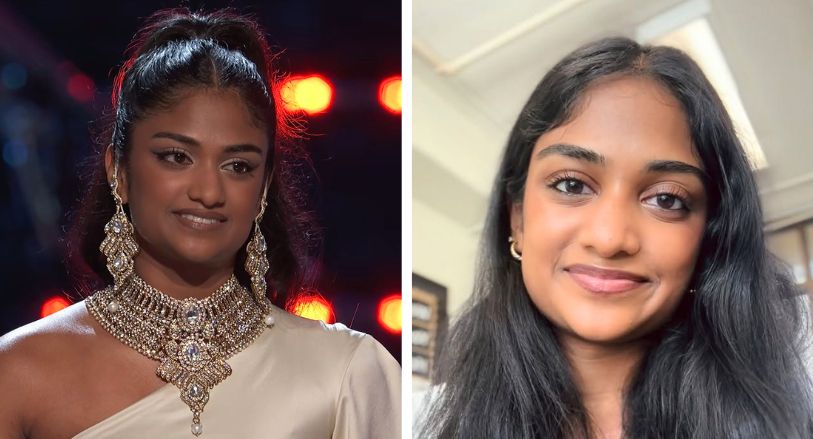
The two singers had competed against each other on David Guetta and Sia’s hit “Titanium.” Brooklyn, just 14, brought a lighter, more delicate vocal quality to the performance, while Kavi offered a contrasting sound shaped by her distinctive musical influences. Their differences made the matchup particularly difficult to judge because they were not trying to deliver the same interpretation of the song.
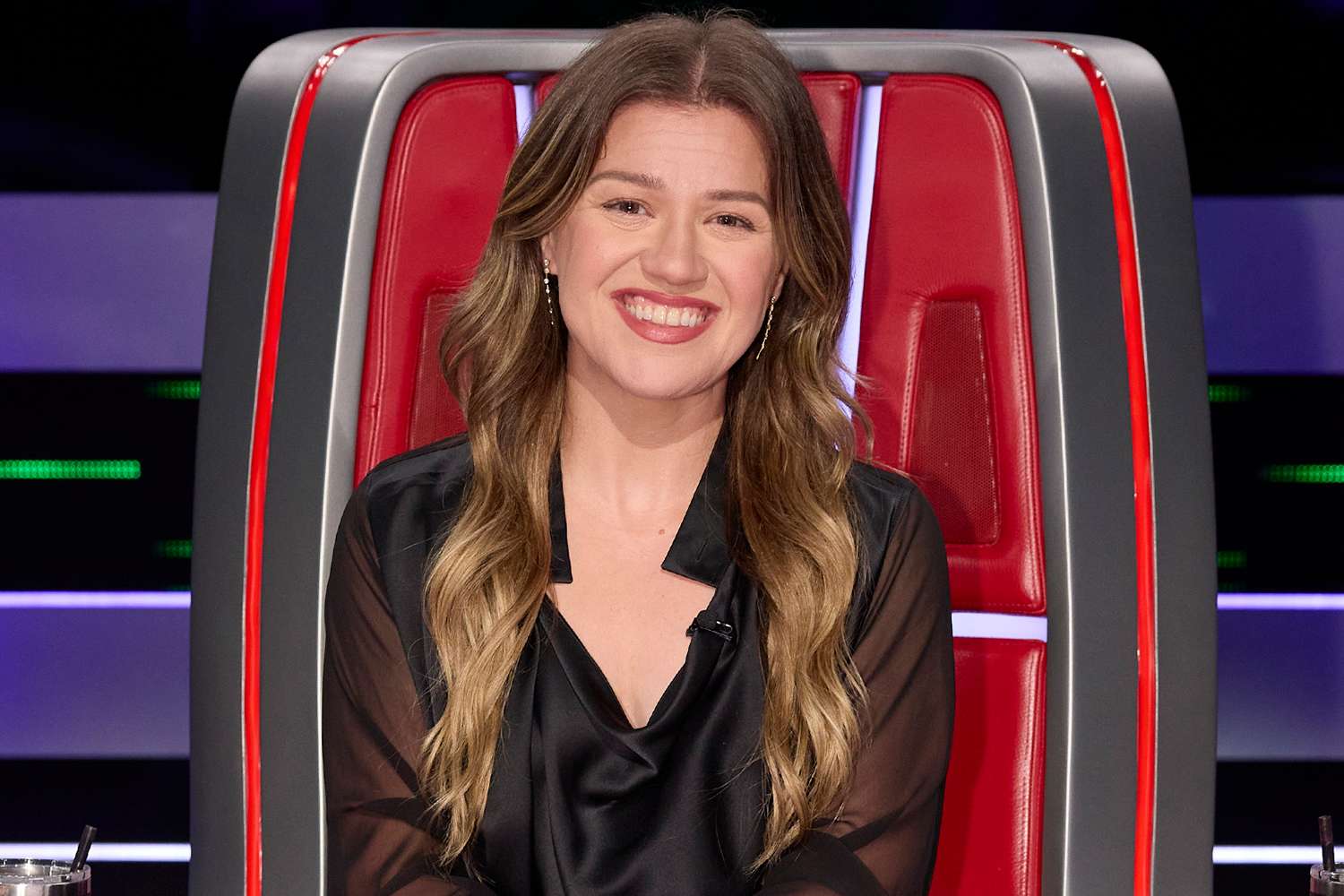
Clarkson recognized that individuality before making her decision. “You’re both the most unique singers on my team,” she told the pair, emphasizing that each possessed a quality unlike anyone else in the competition. Ultimately, however, she selected Brooklyn to advance, leaving Kavi dependent on another coach using a Steal if she was to continue. None did, and her Season 30 journey ended that night.
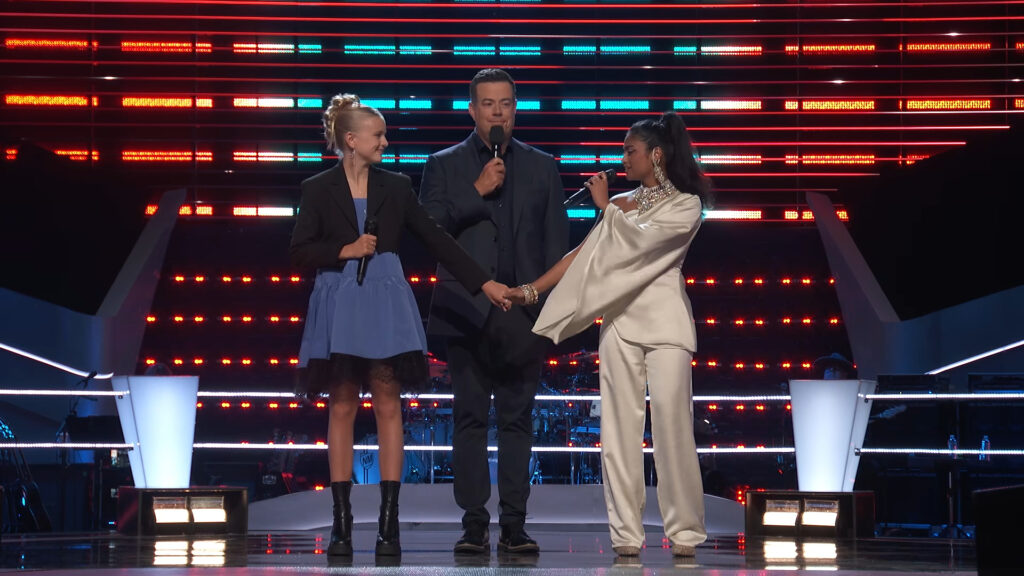
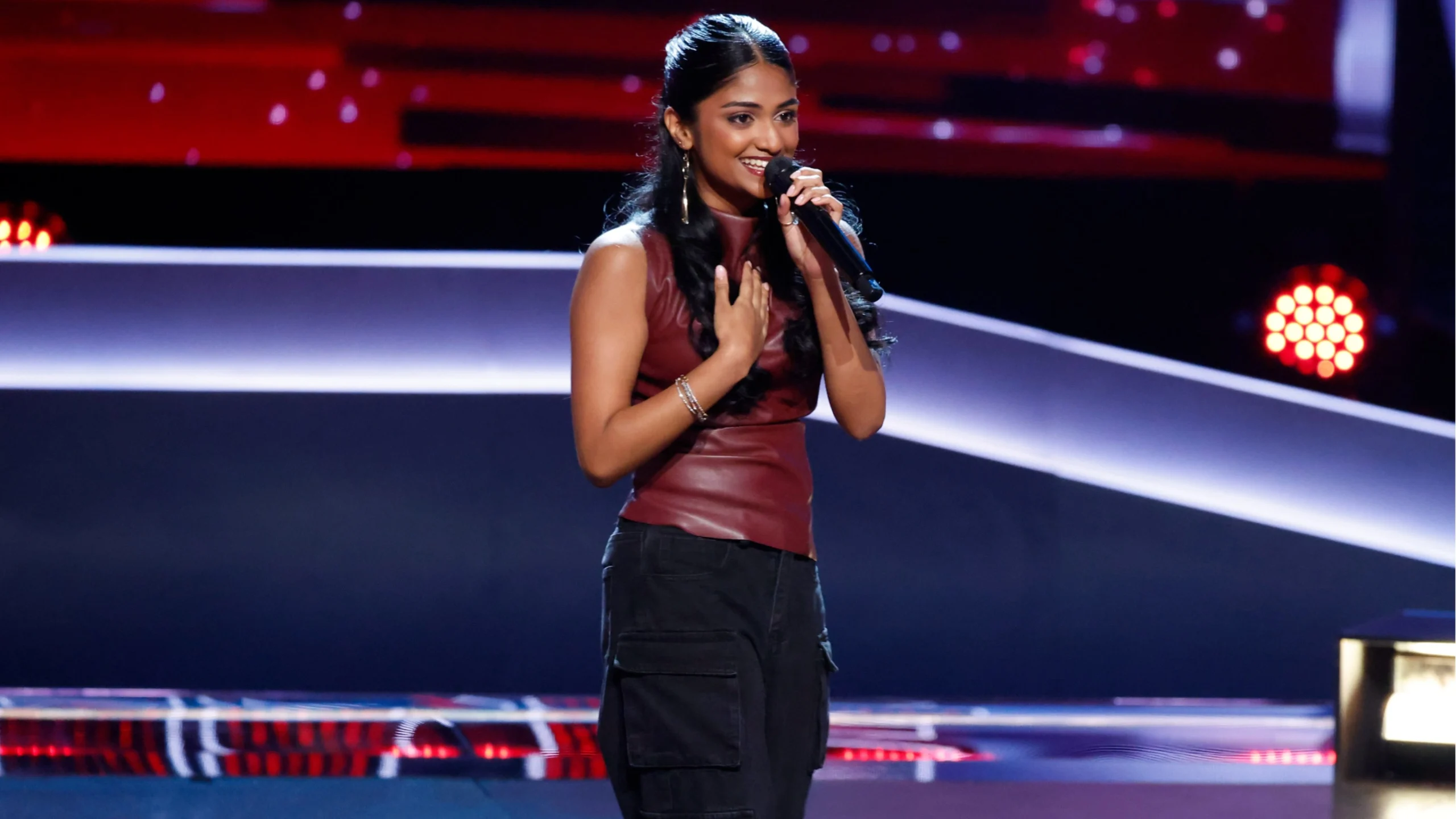
The decision prompted criticism from viewers who believed Kavi should have advanced. Some pointed to her distinctive vocal style, while others questioned why none of the remaining coaches chose to rescue her. Her earlier Blind Audition had already attracted attention, with her performance of Billie Eilish’s “Wildflower” earning interest from multiple coaches. For supporters who had been following her journey since that audition, the Battle result was an especially disappointing ending.
But Kavi did not respond by attacking the decision or questioning Brooklyn’s victory. Instead, she addressed the people who had reached out to her after the episode aired.
“Hey guys, I just wanted to come on here real quick to say I’ve been seeing your comments and I’m super grateful for all of your love and support,” she said in the Instagram video.
Her message was appreciative, but it was also honest about the disappointment she was experiencing. “I guess I can’t say I’m not upset about not making it further into the show,” she admitted.

That acknowledgment made her response feel particularly relatable. A contestant can appreciate an opportunity and still wish it had lasted longer. Kavi had invested time and energy in the competition, and she had reason to hope that her performances would carry her further. There was no need to pretend that leaving was painless simply because she remained optimistic about the future.
What stood out most, however, was where she directed the conversation next. Kavi expressed gratitude to the people behind The Voice and described feeling privileged to have been given such a large platform to represent her culture. For her, appearing on the show had significance beyond the possibility of winning. It allowed her to introduce a wider audience to an artistic identity influenced by her Indian musical background.
That distinction matters in a competition where contestants often become known through a handful of performances. Viewers might remember a particular song, a dramatic high note, or a coach’s reaction, but an artist’s identity can be much broader than what fits into a television episode. Kavi’s experience gave her an opportunity to share something personal through her music, even though she would not have the chance to develop that story throughout the remaining rounds.
Her appreciation for the platform also suggests that she understands what the exposure could mean beyond the immediate result. Reaching a national audience can introduce a singer to listeners who might never otherwise have discovered their work. Whether those viewers continue following her after the show remains to be seen, but Kavi has made it clear that she intends to keep moving forward.
Then came the part of her message that brought the focus back to Brooklyn.
Kavi explained that the two singers had been close since the Blind Auditions and that she had been excited when she learned they would be paired together for the Battles. Rather than portraying the matchup as a rivalry that had damaged their relationship, she described watching both of them grow throughout the experience as something beautiful.
“And the way I saw her grow as well as me grow on the show was really beautiful, and we’ve developed such an amazing bond,” Kavi said.
Her words provided a reminder that the relationships formed during a singing competition do not necessarily mirror the competitive structure viewers see on television. The format placed the two singers in a situation where only one could advance, but it did not require them to treat each other as enemies. Their shared experience could remain meaningful regardless of the outcome.
Kavi ended her message with a direct expression of support for her former teammate: “And Brookie, I’m so proud of you. You are incredible, and I wish you luck for the rest of your journey.”
Brooklyn responded in the comments, writing, “Love you so much, @kavi.nyx27! This is just the beginning!!!!!”
The exchange reinforced the friendship Kavi had described. Brooklyn had won the Battle, but she responded to Kavi’s message with affection rather than treating the result as a reason to distance herself from her former partner. Their interaction gave viewers a glimpse of a relationship that continued beyond the performance and the coach’s decision.
It also put the audience’s reaction into perspective. Viewers are entitled to debate whether a singer deserved to advance, and those discussions are part of what makes a competition engaging. But there is a difference between questioning a result and overlooking the person who earned the victory. Kavi’s public support for Brooklyn showed that disappointment and genuine happiness for another artist can exist at the same time.
The encouragement Kavi received from other supporters was another indication that her appearance had made an impression. Some praised the uniqueness of her voice, while others celebrated the opportunity she had to represent her culture on a prominent stage. Some viewers also expressed hope that she might return to the competition in the future, although no wildcard opportunity has been confirmed in the information available.
For now, Kavi’s future will depend on what she does beyond The Voice. Her time on the show introduced her to a wider audience, but her next steps as a musician will give listeners a better sense of the direction she wants to take. She can continue developing her original material, explore the musical influences that distinguish her sound, and build on the experience of performing before a national audience.
There is also something valuable in the way she chose to close this chapter. She did not claim that the elimination meant nothing to her, nor did she let disappointment erase the positive parts of the experience. She acknowledged the loss, thanked the people who supported her, celebrated the opportunity to represent her culture, and wished her friend well.
In my view, that is what makes Kavi’s response more interesting than another round of arguments about whether Kelly Clarkson chose the right singer. Competition results are temporary, but the relationships and artistic experiences contestants carry forward can last much longer. Kavi’s elimination ended her run on Season 30, not the possibility of building a career on her own terms.
Brooklyn now has the opportunity to continue competing, while Kavi begins the next chapter of her musical journey away from the show. And if her message is any indication, she intends to do so without losing sight of the people who helped make the experience worthwhile.
Do you think Kavi and Brooklyn’s friendship is one of the most heartwarming parts of this Battle story, and would you like to see Kavi return to The Voice someday?