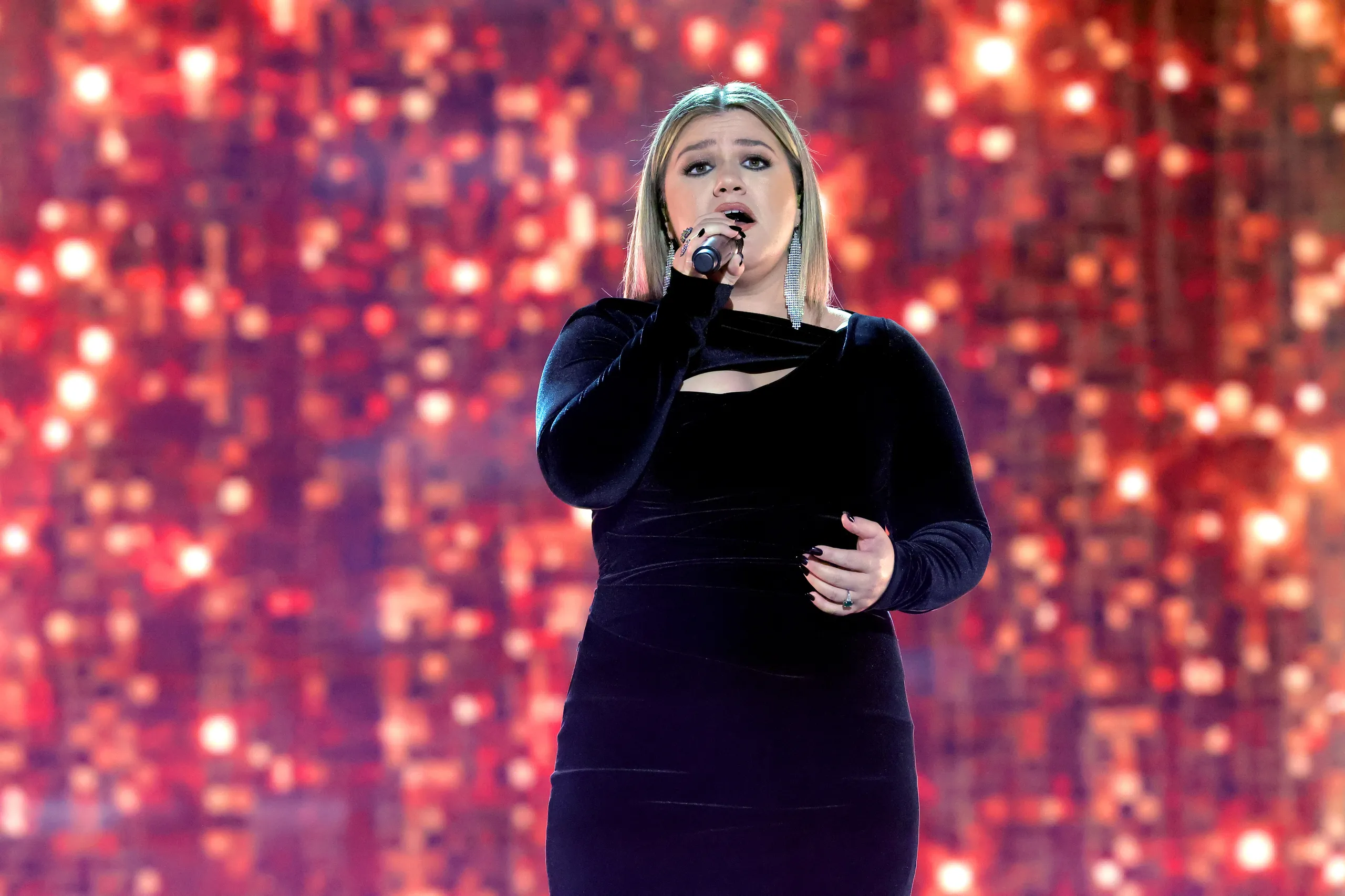
Kelly Clarkson has spent years winning over audiences with her honesty, warmth, and instinct for recognizing a great singer, but a public dispute outside the music world has put her under a different kind of spotlight. The controversy involving Brooklyn shop Art of Play and a $15,000 mechanical bird has sparked criticism online, including a petition calling for her removal from The Voice. Yet the bigger question for fans is whether a disagreement over a shopping experience should influence how viewers judge a coach whose reputation was built on years of musical expertise and television success.
The dispute has attracted attention because the two sides describe the encounter very differently. Clarkson said she felt judged during her visit to Art of Play, while the store’s co-owner disputed her account of what happened. The mechanical bird, known as Molly, has become an unlikely centerpiece of the argument, drawing public curiosity to a disagreement that might otherwise have remained a private customer experience. With competing accounts and no universally established version of the encounter, it is important to distinguish what has been reported from what people may assume.
That distinction matters because the controversy has expanded beyond the original disagreement. Art of Play has said the online reaction brought hostile messages and threats, raising concerns about the consequences a small business can face when a celebrity complaint reaches a massive audience. The Associated Press has also highlighted the imbalance between a public figure’s reach and a local business’s ability to respond. Whatever happened during the original interaction, directing anger toward employees or neighboring businesses is not a reasonable response to a disputed shopping experience.
The petition calling for Clarkson’s removal from The Voice has added a reality-TV twist to the story, but it should not be mistaken for an indication that her job is actually in jeopardy. The campaign asks NBC to remove her from the upcoming live episodes and decline to bring her back for future seasons. Its deliberately humorous references to Molly, however, make the effort look at least partly like an internet stunt rather than a serious industry campaign. There has been no confirmed announcement that NBC intends to replace Clarkson or change her role on the show.
For fans, the more interesting issue is how much a coach’s offstage behavior should influence the way we watch them onstage. Clarkson is not simply another celebrity appearing on a television panel; her experience as a recording artist and former singing competition winner gives her a perspective that contestants can learn from. Her ability to recognize vocal potential, discuss performance choices, and encourage artists to develop their identities is a separate question from whether her handling of this particular dispute was appropriate. Fans can criticize a public statement without pretending that every part of her professional career has suddenly become irrelevant.
At the same time, being an accomplished musician does not place anyone beyond criticism. Public figures have enormous influence over how audiences perceive the people and businesses they discuss, and that influence comes with responsibility. My view is that Clarkson deserves fair scrutiny over the way she chose to air her grievance, particularly given the reported impact on the store, but calls for her immediate removal from The Voice go further than the confirmed facts justify. A more meaningful outcome would be for the dispute to be resolved without further harassment and for the people involved to be judged on what can actually be established.
For now, Clarkson remains part of The Voice’s Season 30 coaching panel alongside Adam Levine, Riley Green, and Queen Latifah. The upcoming live episodes will give viewers plenty of musical performances to debate, and the show’s contestants deserve attention for their own achievements rather than having their competition overshadowed by a controversy involving one of their coaches. Whether the incident changes public opinion of Clarkson over time remains to be seen, but an online petition alone is not evidence that her place on the show is about to disappear.
So, Voice fans, where do you stand? Should a coach’s public conduct outside the show affect their future on the panel, or should their work mentoring singers carry more weight? And do you think Clarkson’s response to the Art of Play dispute warrants further criticism, or has the online backlash gone too far? Share your thoughts, because this debate is about more than a mechanical bird: it is about accountability, fairness, and where fans draw the line.