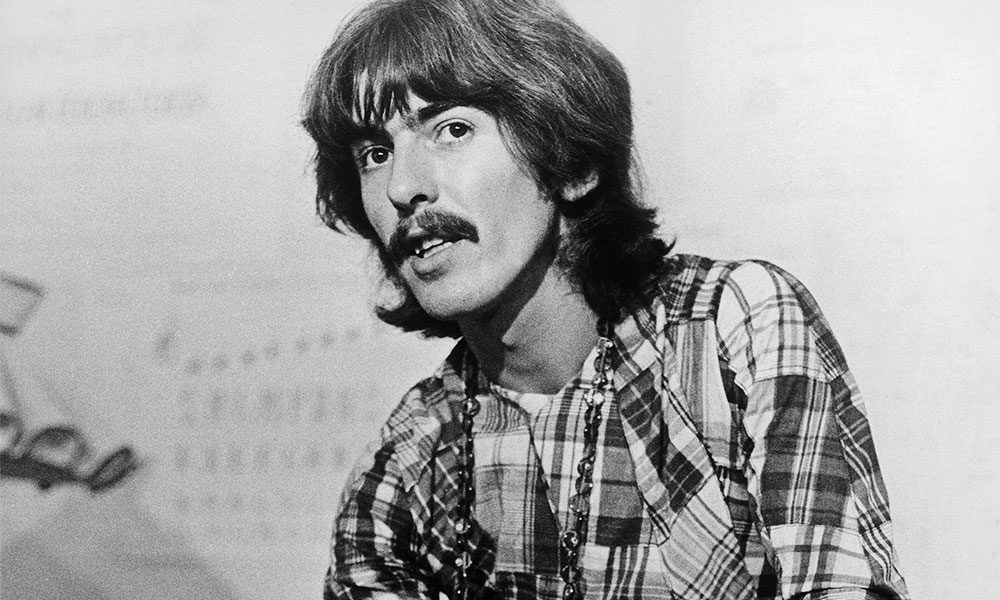
When The Beatles first exploded onto the music scene, George Harrison was just 17, thrown headfirst into a world of chaos, amphetamines, and rock ‘n’ roll without a guide to navigate it all. Fame hit like a tidal wave, and as the years rushed by in a blur of sold-out shows and screaming fans, Harrison found himself searching for something deeper—answers beyond the artificial world that celebrity had built around him.
That search led him to India, where he found solace in Eastern philosophy and music. But what began as a deeply personal journey inadvertently sparked a cultural phenomenon. Suddenly, the West was enamored with gurus, spiritual enlightenment, and sitars. Harrison’s obsession with Indian music and philosophy opened minds, broadening perspectives beyond the usual Western lens. Yet, with that enlightenment came a darker side—the rise of shallow appropriation and individuals who exploited the movement for their own agendas.
Even Neil Young once pointed out this divide, recalling his eerie encounters with Charles Manson, who twisted elements of the hippie spiritual movement into something sinister. “It was the ugly side of the Maharishi,” Young told The Observer Music Monthly. “There’s one side of the light, nice flowers and white robes and everything, and then there’s something that looks a lot like it but just isn’t it at all.”
Harrison, too, grew frustrated with those who embraced spirituality in name but failed to embody its principles. One of the figures who rubbed him the wrong way? None other than The Who’s Pete Townshend.
During the late 1960s, Townshend became a vocal proponent of Indian spiritual leader Meher Baba. The influence was clear in Tommy, The Who’s groundbreaking rock opera, which mirrored Meher Baba’s teachings on enlightenment. Townshend himself described the album’s themes in a 1969 Rolling Stone interview, explaining, “Tommy’s real self represents the aim—God—and the illusory self is the teacher; life, the way, the path, and all this. The coming together of these makes him see and hear and speak so he becomes a saint who everybody flocks to.”
But Harrison wasn’t convinced. He openly criticized Townshend’s sincerity, suggesting that the guitarist didn’t practice what he preached. In an interview with India Today, Harrison bluntly remarked, “Townshend? Yeah! Every time I’ve seen that guy, he’s been so stoned and talking such a lot of nonsense that I don’t think he means any of the religious stuff he spouts.”
It was a scathing dismissal, one that called into question whether Townshend was truly devoted to his spiritual beliefs or merely riding the wave of a popular movement. Of course, Townshend wasn’t alone in his contradictions—many in the counterculture movement struggled with the balance between their ideals and the realities of their personal lives.
In the end, Harrison’s frustration wasn’t just about Townshend. It was about authenticity in an era where spirituality became a trend, and many who claimed enlightenment seemed lost themselves. For Harrison, the journey was real. But for others? That was up for debate.