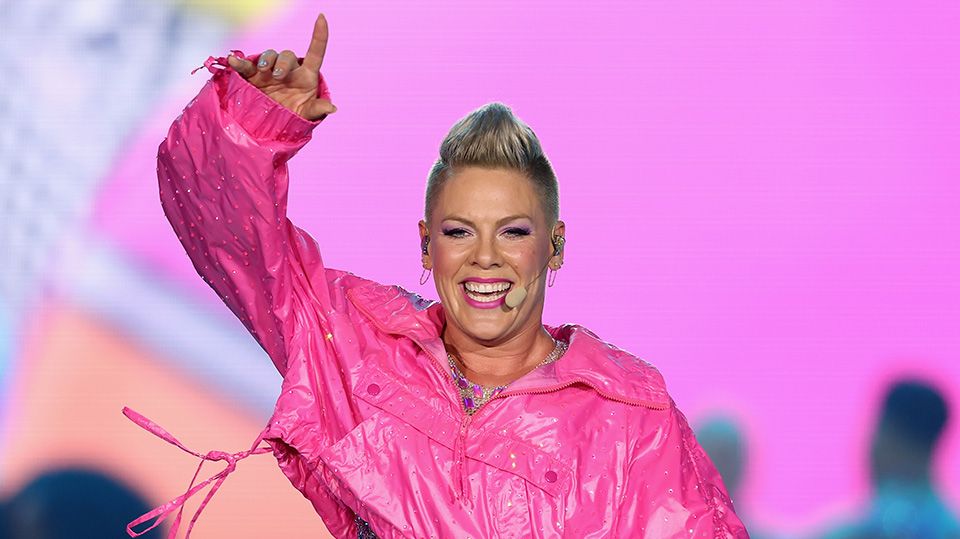
Before Missundaztood changed everything, P!nk was heading toward a crossroads that could have ended her career very differently.
At the start of the 2000s, the singer had already found commercial success as a rising pop and R&B artist, but behind the scenes, frustration was building fast. The image surrounding her no longer felt authentic, the music industry was trying to shape her into something she didn’t recognize, and creatively, she felt trapped.
For a while, it seemed like she might simply become another manufactured pop star swallowed by the machine.
Then came the breaking point.
Instead of continuing down the safe commercial path laid out for her, P!nk made a risky decision that stunned people around her: she stopped trying to fit the image others wanted and began writing music that actually reflected who she was.
What followed became one of the most important reinventions in modern pop music.
According to P!nk, much of Missundaztood was written during an emotionally overwhelming, nearly sleepless stretch of creativity that lasted roughly a week. Rather than carefully crafting polished radio formulas, she poured raw thoughts, anger, heartbreak, insecurity, and independence directly into the music without filtering herself.
And that urgency became the soul of the album.
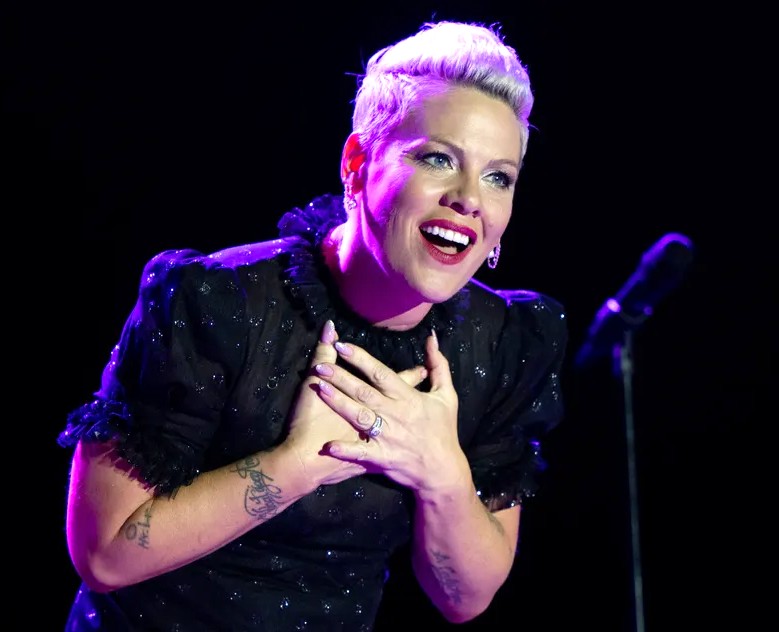
The record sounded nothing like the carefully controlled pop image she had been boxed into earlier in her career. Instead, Missundaztood leaned heavily into emotional honesty, rock influences, vulnerability, and deeply personal storytelling that finally felt aligned with her real personality.
It was messy at times.
Painfully honest at others.
But that authenticity became exactly what audiences connected with.
Songs from the album explored identity, self-worth, emotional confusion, toxic relationships, and the struggle to feel understood — themes that resonated powerfully with listeners who saw themselves reflected in the music. Rather than presenting herself as polished or perfect, P!nk sounded human, conflicted, angry, vulnerable, and real.
And suddenly, everything changed.
The transition was considered a major risk at the time. Reinventing an artist’s sound so early in their career can easily alienate fans and confuse the music industry. Executives reportedly weren’t entirely sure how audiences would respond to the dramatic shift away from her earlier image.
But instead of hurting her career, the album exploded.
Tracks from Missundaztood quickly became defining hits of the early 2000s, transforming P!nk from another emerging pop act into a fully realized artist with a distinct voice and identity. More importantly, it gave her something even more valuable than commercial success: creative freedom.
For the first time, she proved she could succeed on her own terms.
That victory fundamentally changed the trajectory of her career.
In later interviews, P!nk described the writing process as emotionally intense — almost like she couldn’t slow her thoughts down long enough to second-guess herself. Rather than chasing perfection, she focused entirely on honesty, allowing the emotion to guide the music naturally.
Ironically, that creative chaos became the album’s greatest strength.
The raw energy listeners felt inside Missundaztood came directly from that unfiltered emotional state. Nothing sounded overly polished or emotionally distant because the songs were created in real time alongside the feelings driving them.
Looking back now, many critics view the album as one of the defining pop-rock records of its era. It helped push mainstream music toward more emotionally transparent songwriting at a time when heavily manufactured pop images still dominated much of the industry.
For P!nk personally, though, the album represented something even deeper than artistic evolution.
It was survival.
Without that reinvention, her place in music history might look completely different today. Instead of fading into the background of early-2000s pop culture, she emerged as one of the most respected, fearless, and enduring performers of her generation.
And it all began during one sleepless, emotionally chaotic week when she finally stopped trying to become what everyone else wanted — and started writing the truth instead.