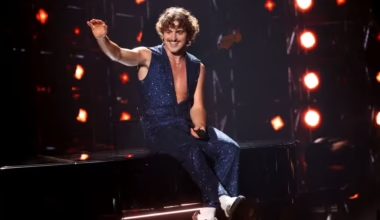
Stephen Wilson Jr. spent years building a music career that once seemed almost impossible. But when the 47-year-old singer finally stood onstage at the 2026 CMA Awards holding his first New Artist of the Year trophy, the person who had helped shape his extraordinary journey was no longer there to witness it.
His father, Stephen Wilson Sr., died in 2018. Yet his influence was present throughout one of the biggest nights of his son’s career, from an emotional acceptance speech to a deeply personal performance alongside Chris Stapleton.
The evening represented more than a major industry achievement. It brought together two parts of Wilson’s life that might initially seem unrelated: the boxing lessons he learned as a child and the songwriting career he pursued after leaving his job as a scientist.
Both were connected by the same person.
Wilson’s father introduced him to boxing when he was young, giving him an early understanding of discipline, pressure, and perseverance. Those lessons would eventually take on a different meaning when Wilson began navigating the challenges of the music industry.
During his CMA acceptance speech, the singer reflected on how the boxing ring had prepared him for experiences far beyond competitive sport.
He described the ring as his first stage, explaining that it was where he learned to fight and handle pressure.

It was a striking comparison from someone accepting an award normally associated with the beginning of a promising music career. Wilson was not celebrating a breakthrough in his twenties or even his thirties. At 47, he had reached a milestone that made him the oldest recipient of the CMA New Artist of the Year honour.
The previous age record belonged to Darius Rucker, who won the award at 43 in 2009.
Wilson’s achievement offered an unusual reminder that the word “new” can mean something very different in the music industry.
For listeners discovering him through the CMA Awards, he may appear to be a recent arrival. But his recognition followed years of artistic development, personal sacrifice, and a remarkable professional transformation.
Before pursuing music, Wilson worked as a scientist.
He eventually left that career behind, taking a chance on a creative path that offered no guarantee of recognition or financial stability.
During his acceptance speech, he reflected on the extraordinary distance between those two lives. He recalled leaving his scientific career without having performed publicly as a singer, then finding himself accepting one of country music’s most recognisable awards approximately 12 years later.
That transformation alone would have made his CMA victory memorable.

But the emotional centre of the evening came from a song that had remained closely connected to his father for years.
“I’m A Song,” which Wilson performed with Chris Stapleton during the ceremony, was already deeply personal long before it became part of a major awards-show collaboration.
One of the first occasions when Wilson’s father saw him perform live took place at Nashville’s Bluebird Cafe, a venue known for its intimate songwriter performances.
Wilson performed “I’m A Song” that evening.
His father was so moved by the experience that he recorded the performance on his phone and continued watching the video afterwards.
For a songwriter, that kind of reaction can carry a significance that has little to do with commercial success.
Before record sales, award nominations, or television appearances, there is often the deeply personal experience of sharing something original with someone whose opinion matters.
For Wilson, that person was his father.
The recording became a reminder of a moment when his music had connected with someone who knew him long before he became a recognised performer.
Following his father’s death in 2018, the song took on an additional emotional significance.
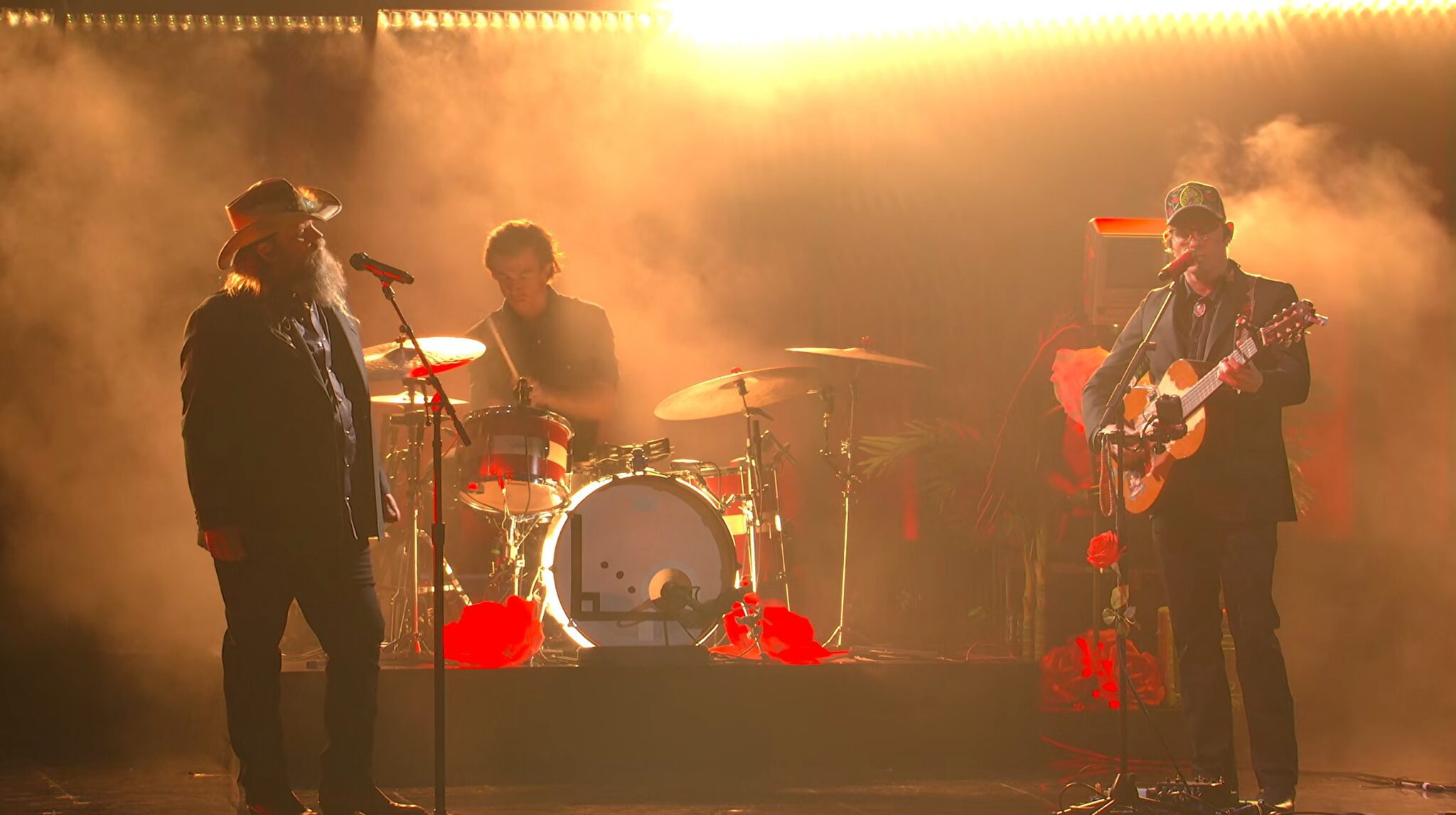
Wilson later acknowledged that he had been uncertain whether he would ever officially record it because of how personal the material had become.
That hesitation reveals something important about the relationship between songwriting and grief.
Music can provide a way to preserve memories, but returning to a song associated with someone who has died can also mean confronting feelings that remain difficult to express.
For Wilson, “I’m A Song” was not simply another composition waiting to be released. It carried a connection to his father that made the decision to record it especially meaningful.
Then Chris Stapleton entered the picture.
After someone suggested sending the song to Stapleton, Wilson decided to share it with him. What followed was a collaboration shaped by an unexpected personal connection.
Stapleton had also experienced the loss of his father.
Wilson explained that both musicians recognised how losing their fathers had influenced their lives and careers, giving the song a shared emotional significance.
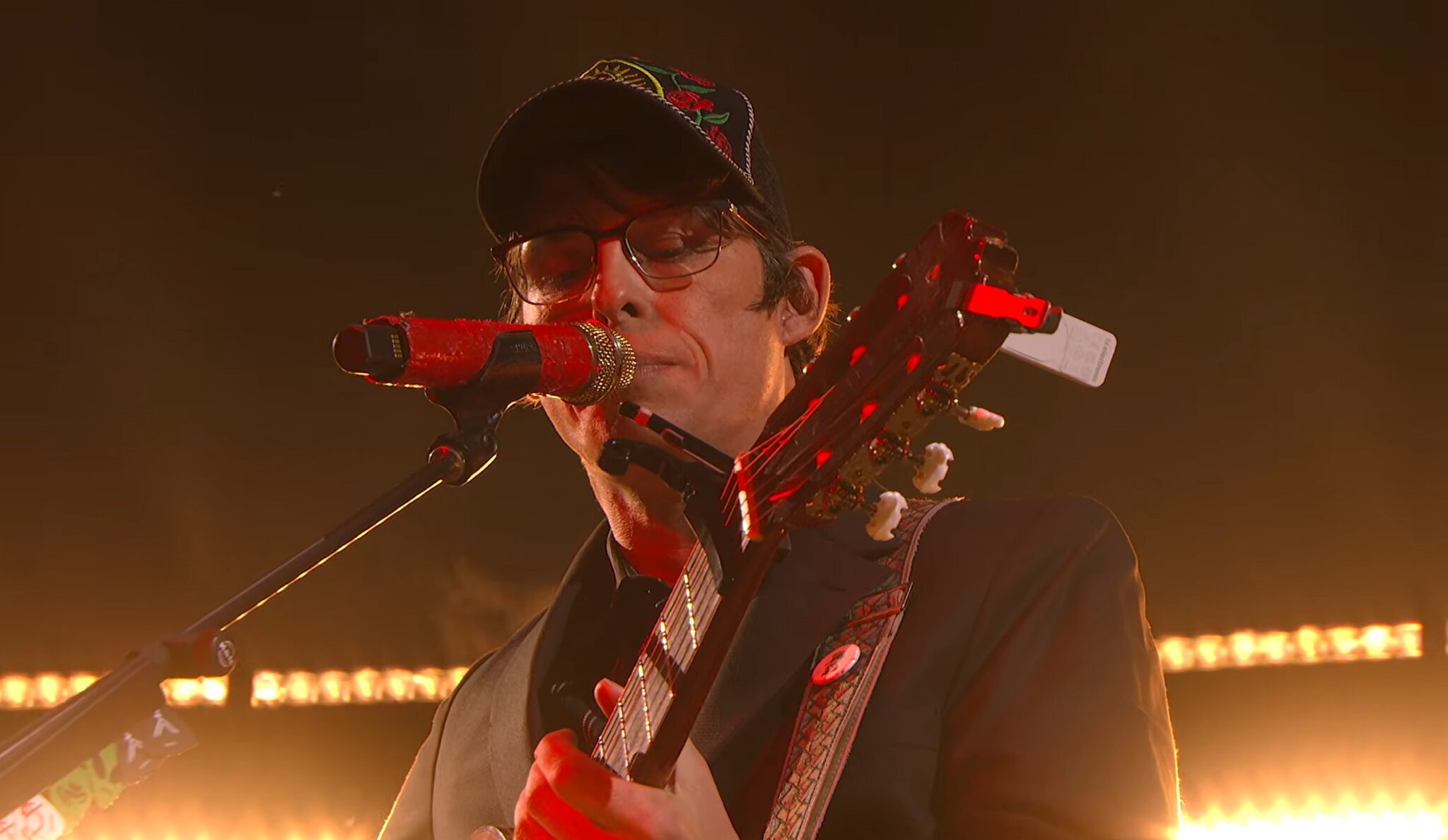
That connection transformed the collaboration into something more personal than two acclaimed country singers recording together.
The song itself explores the relationship between music and memory, using an unusual storytelling perspective.
Rather than following a conventional character through a series of events, “I’m A Song” presents music as something that accompanies people throughout their lives.
A melody can become connected to a childhood experience, a family celebration, a difficult goodbye, or a moment that might otherwise fade with time.
Years later, hearing that same music can bring the memory back with surprising emotional intensity.
It is a familiar experience, even for people who have never written or performed a song.
A recording heard during a long drive might become permanently associated with someone who was sitting in the passenger seat. A song played at a wedding can bring back the atmosphere of that day decades later. Music associated with a parent or grandparent can become particularly meaningful after that person is gone.
That universal connection gives Wilson’s composition an emotional reach beyond his own story.
For Wilson and Stapleton, however, the meaning was especially personal.
Their CMA Awards performance brought those experiences into a public setting, allowing an audience to hear a song that had already carried considerable emotional weight for both artists.
The performance also demonstrated why Wilson’s approach to country music has attracted attention.

His sound draws from country, rock, and grunge influences, creating a musical identity that does not fit neatly into one traditional category.
That mixture might appear unconventional within an industry often associated with established musical traditions. Yet country music has always made room for artists who communicate personal experiences through distinctive sounds.
Wilson’s songwriting gives those influences a common purpose.
Rather than treating emotional subjects as an opportunity for exaggerated drama, his music often explores complicated feelings through imagery and storytelling.
The response to his CMA collaboration suggested that this approach resonated with listeners.
Viewers praised the song’s unusual narrative perspective, the chemistry between Wilson and Stapleton, and the emotional meaning behind the performance.
Some described it as their favourite performance of the ceremony, while others focused on the way the two singers’ voices complemented each other.
But the most significant aspect of the evening may have been the contrast between Wilson’s public achievement and the private memories that helped make it possible.
His father had introduced him to the discipline of boxing, watched him perform at the Bluebird Cafe, and preserved a recording of a song that would eventually reach one of country music’s biggest stages.
Years after his death, those experiences remained central to Wilson’s understanding of his career.
In my view, that is what makes this particular CMA story so compelling.
Wilson’s age record is impressive, especially in an entertainment industry that often places enormous emphasis on youth and immediate success. But the more lasting story is how his journey demonstrates that artistic achievement can emerge from years of experiences that initially seem unrelated.
His scientific career, childhood boxing lessons, family relationships, and personal losses all became part of the background that shaped the musician standing onstage.
The award recognised his work as an artist. His speech and performance revealed some of the experiences behind that work.
Wilson is now preparing for another important chapter with his sophomore double album, Impressiøn of a Human // Children of the Cørnerman, scheduled for 2027.
The project will give listeners another opportunity to explore his distinctive musical perspective, while the collaboration with Stapleton has already introduced “I’m A Song” to a broader audience.
For a performer who once worked as a scientist and had never imagined this particular career trajectory, the recognition represents an extraordinary turning point.
Yet the most touching detail remains the image of his father watching a phone recording of his son’s performance, long before that song reached the CMA Awards stage.
At the time, it was simply a father enjoying his son’s music.
Years later, that same composition became part of a historic evening celebrating an artist who had spent more than a decade working towards his breakthrough.
Stephen Wilson Jr. may have accepted the New Artist of the Year trophy alone, but the story behind his achievement included people whose influence extended far beyond the moment they were physically present.
And that leaves country music fans with a deeply personal question: Have you ever heard a song that instantly brought back the memory of someone you loved, and does knowing the story behind “I’m A Song” change the way you hear Wilson and Stapleton’s performance?