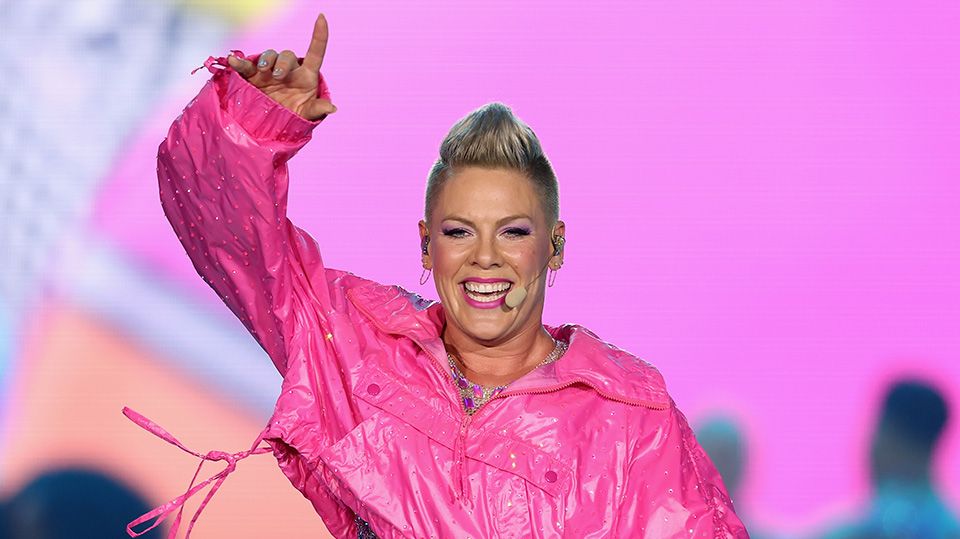
For years, the pop world couldn’t resist doing one thing: putting P!nk and Lady Gaga side by side.
Two artists. Both unconventional. Both fearless on stage. Both known for turning live performances into full-body statements rather than standard pop sets. And for critics and fans alike, that was apparently enough to start a comparison that refused to die.
But P!nk eventually made it clear she wasn’t interested in playing that game.
At first glance, the pairing seemed almost inevitable in media discussions. Both emerged as rule-breakers in mainstream pop, rejecting polished perfection in favor of raw individuality. Both built reputations on high-energy performances, emotional honesty, and a willingness to challenge what pop stars were “supposed” to look and sound like.
That overlap became a magnet for constant comparisons, with headlines often trying to frame them as competing versions of the same idea.
P!nk, however, never accepted that framing.
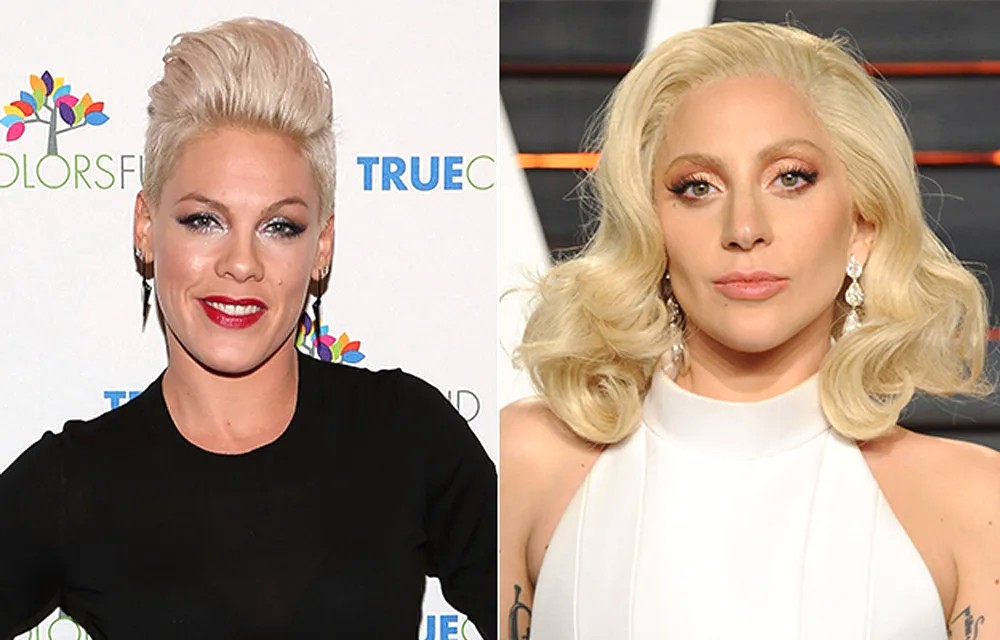
When the topic came up in interviews, her response was striking not just for its honesty, but for its simplicity. She didn’t lean into rivalry. She didn’t escalate tension. Instead, she questioned the premise itself—why two women with different creative identities had to be positioned as opponents in the first place.
Her stance was clear: similarity does not equal competition.
Rather than dismissing Lady Gaga or undermining her success, P!nk consistently spoke with respect about her talent and cultural impact. What she pushed back against was the industry habit of flattening individuality into comparison charts, as if two artists working in similar spaces could not coexist without being in conflict.
Behind that response was a deeper point about how pop culture often treats women in music. Instead of allowing multiple artists to thrive in parallel, narratives are frequently built around rivalry, rankings, and forced competition. P!nk refused to participate in that narrative.
She also highlighted something critics often ignored: despite surface-level similarities, their artistic approaches were fundamentally different.
P!nk’s career has been rooted in emotionally direct songwriting, blending pop and rock with personal storytelling shaped by real-life experiences. Her performances, while theatrical, are grounded in physicality and raw expression rather than conceptual reinvention.
Lady Gaga, by contrast, built her artistic identity around transformation, theatrical pop concepts, and performance art-inspired reinvention, often treating each era as a self-contained creative universe.
In P!nk’s view, those differences mattered more than any surface-level similarities.
By drawing that distinction, she quietly dismantled the idea that they were competing versions of the same artistic blueprint. Instead, she reframed them as distinct creative forces operating in the same broad industry.
Over time, that perspective has aged with increasing clarity. Both artists have continued to evolve on their own paths, occasionally acknowledging each other with mutual respect rather than rivalry. The manufactured tension that once fueled headlines has gradually faded, replaced by a more mature understanding of artistic diversity.
Still, what makes P!nk’s response memorable is not just what she said—but how she said it.
There was no defensiveness. No theatrics. No attempt to win an argument that shouldn’t have existed in the first place. Just a calm refusal to accept a narrative built on unnecessary comparison.
And in doing so, she made a broader point that extends far beyond pop music.
Great artists don’t need to compete for space in the same story.
They each write their own.