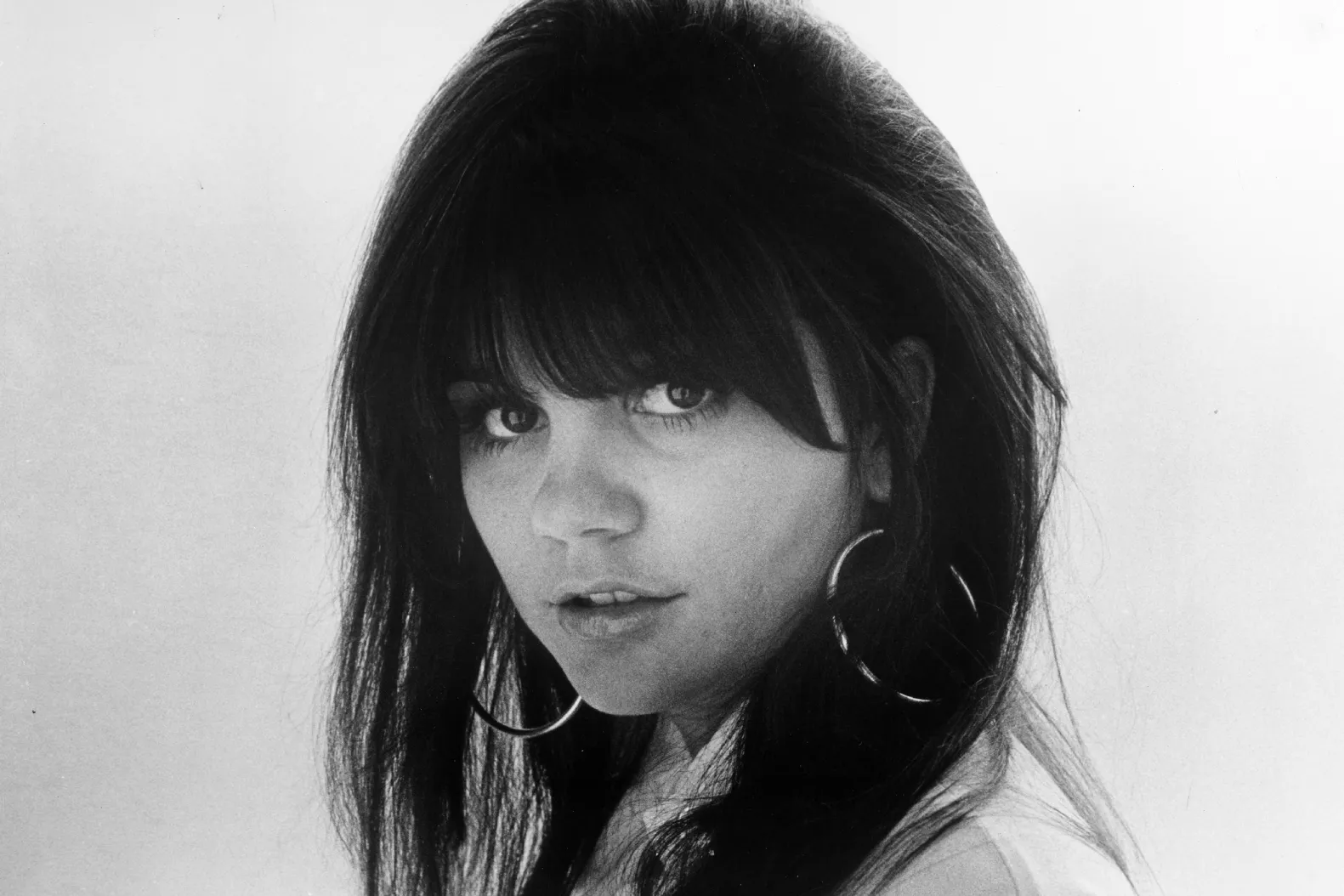
No one in the crowd knew it then. The tickets didn’t promise history. The posters didn’t hint at revolution. It was just another night in 1974, another show in a decade already bursting with music. But when three young artists stepped onto the stage together—The Eagles, Linda Ronstadt, and Jackson Browne—something unrepeatable happened. It wasn’t polished, it wasn’t planned, and it wasn’t safe. And that’s exactly why it still haunts us fifty years later.
The Eagles were already gathering momentum, a band caught between country twang and California cool. Linda Ronstadt was a rising voice who could break your heart with one note. Jackson Browne was the poet of a restless generation, his songs echoing with longing and defiance. That night, they weren’t icons. They were hungry kids with guitars and something to prove.
The set began as expected—harmonies soaring, guitars sharp, the audience buzzing. “Take It Easy” drew a wave of recognition, fans clapping along to the familiar chorus. But the atmosphere shifted when Browne stepped forward with Ronstadt at his side, and Glenn Frey nodded toward Don Henley. A decision, unspoken but understood, had been made.
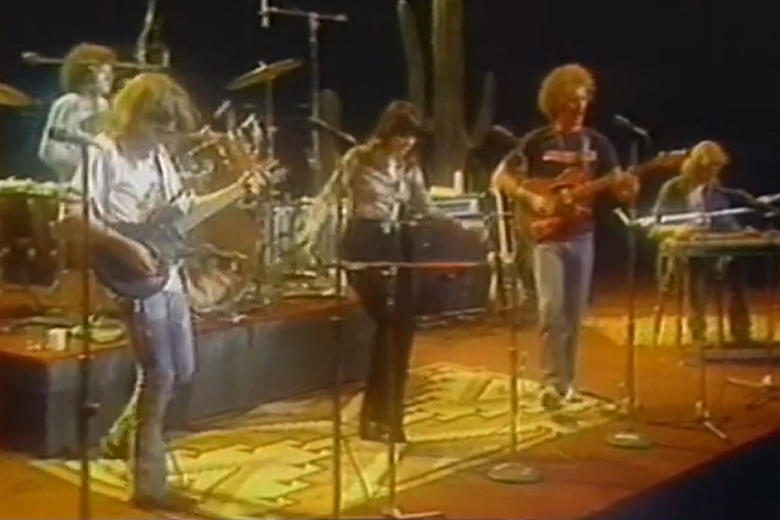
They launched into “Desperado.”
The arrangement was stripped bare, slower than the record, rawer. No walls of sound, no crowd-pleasing flash. Just voices, piano, and the kind of silence that presses down on a room when everyone realizes they’re hearing something more than a song—they’re hearing truth.
Linda’s harmony cracked ever so slightly on the refrain, but instead of breaking the spell, it deepened it. Jackson’s guitar wove around Henley’s vocals like smoke in a dimly lit bar. And the Eagles—still so young, still uncertain of how big they’d become—sounded like they were confessing something private, almost too vulnerable to be shared.
People in the crowd later said they didn’t cheer. They didn’t clap. They froze. Because how do you applaud when you’re holding your breath?
In that moment, boundaries shattered. Rock wasn’t supposed to bleed into country so nakedly. Folk wasn’t supposed to feel this dangerous. And vulnerability—real, exposed vulnerability—wasn’t supposed to be the centerpiece of a live show. But on that night, it was.
Afterward, the rest of the set almost didn’t matter. The songs were played, the encore delivered, the lights came up. But everyone who walked out of that hall carried the same look: wide-eyed, shaken, as if they’d witnessed something they weren’t supposed to see.
Years later, music historians would point to that night as the seed of a movement—the moment country rock grew teeth, the moment folk storytelling fused with electric energy, the moment that proved live music didn’t need to be flawless to be unforgettable. It just needed to be true.
And truth is never safe.
For The Eagles, “Desperado” would become more than a ballad; it became an identity, a statement of purpose. For Linda Ronstadt, the night cemented her reputation as fearless, someone willing to risk imperfection for authenticity. For Jackson Browne, it was another thread in the tapestry of a career built on honesty, no matter how raw.
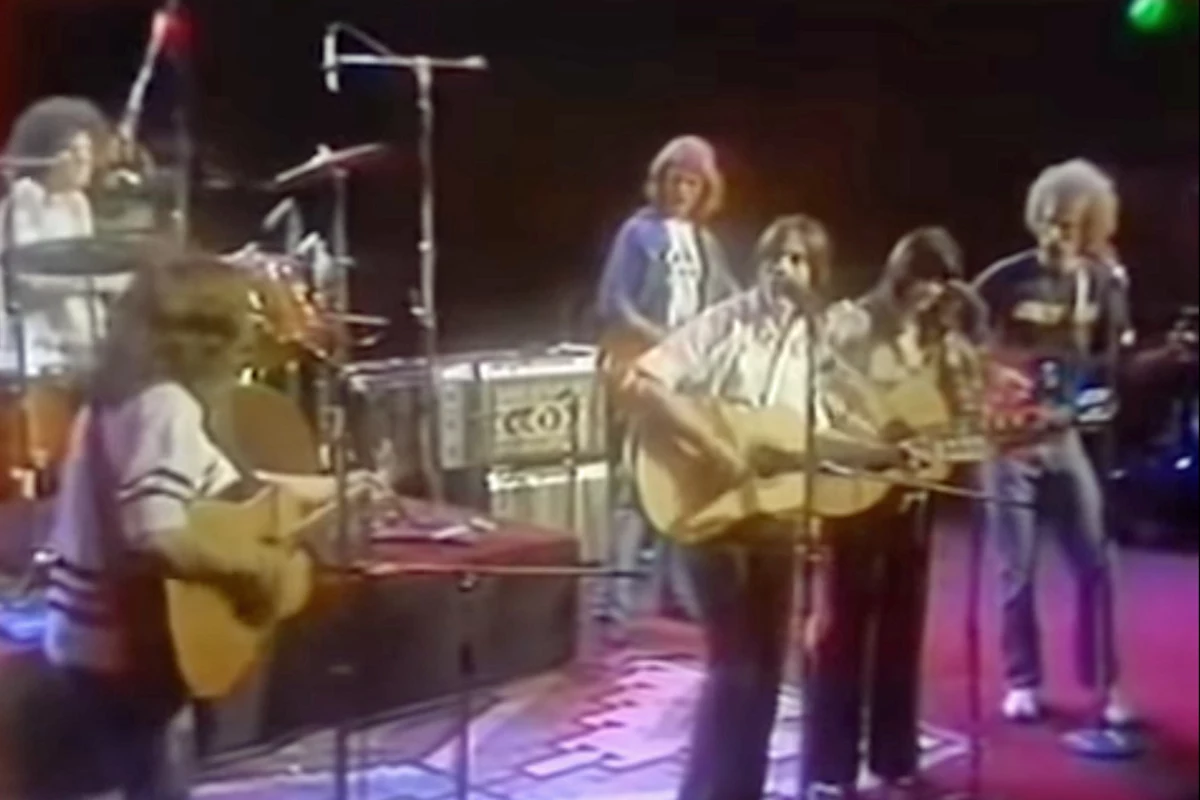
But for the fans who were there, it wasn’t about careers or genres or cultural shifts. It was about the way the song lingered. The way it crawled under your skin and stayed there. The way, fifty years later, you could still close your eyes and feel the air in that room—thick, heavy, reverent.
They didn’t know they were writing history. They didn’t know the stories would be told and retold. They were just young musicians, chasing a sound, taking a risk. And maybe that’s why it mattered so much. Because the greatest moments in music aren’t manufactured—they happen when no one’s trying to make them.
One stage. One song. One night that still echoes half a century later.
And maybe the real question isn’t why we still remember it. Maybe the question is—why aren’t more people talking about it?