For years, The Voice has asked viewers to watch talented singers compete, fall in love with their favorite performances, and wait to discover which contestants survive each elimination. But Season 30 is changing that relationship in a major way. This time, fans won’t simply be watching the competition unfold from home. They’ll have a more direct opportunity to influence who gets to continue chasing the title.
With the return of the Live Shows, NBC has introduced a series of changes that could make this one of the most unpredictable seasons in the show’s history. From a brand-new voting system involving TikTok to eliminations revealed on the same night as performances, the competition is entering a different kind of television experience.
And perhaps the biggest question is whether the contestants who connect most strongly with viewers will have an advantage over those who simply impress the coaches.
Season 30 already introduced several major changes before reaching the Live Shows. The familiar Knockout Rounds were replaced by an entirely new stage called Cut Week, creating one of the most difficult elimination periods the competition has seen.
Rather than gradually reducing the number of contestants through the usual rounds, the show placed enormous pressure on all four teams. Following the Battles, each coach had seven artists remaining. Two contestants from each team were sent directly through, while the other five had to compete for one additional place selected by their coach.
That process reduced the competition from 28 artists to 12 confirmed Live Show contestants. However, there is still one more opportunity for a singer to make it through, and this time the decision belongs to the audience.
According to NBC’s official Season 30 announcement, viewers will determine the additional contestant who completes the Top 13. It is an interesting change because it gives the audience a direct role in shaping the lineup before the live competition gets underway.
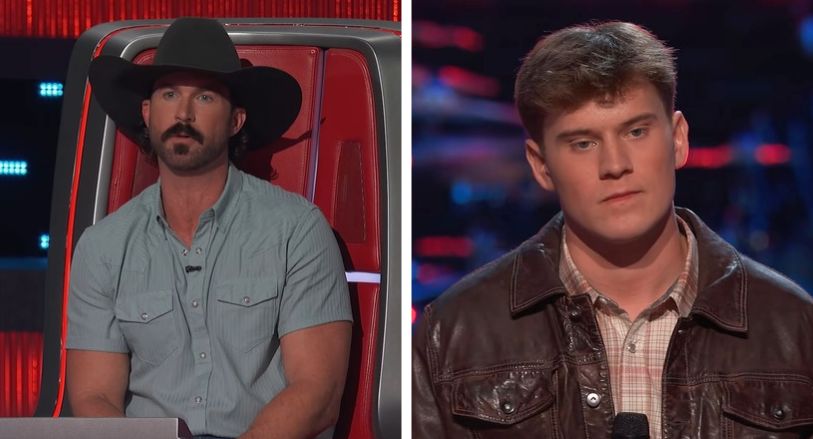
The four coaches have already made their selections following Cut Week. Team Kelly Clarkson will move forward with Koumba Diallo, Anna McElroy, and Brianna Cameron. Adam Levine’s team includes Lexi Stephens, Connor Closs, and Dakota Cohen, while Riley Green will be represented by Cade Mower, Ferryn and Brinkley, and Joe Henley.
Queen Latifah’s three confirmed artists are Mia Knight, BigCountry, and Lillie Kolich.
That gives every coach three contestants heading into the next stage, although the audience-selected artist will eventually bring one team to four. It also means that the competition is no longer entirely controlled by the people sitting in the famous red chairs.
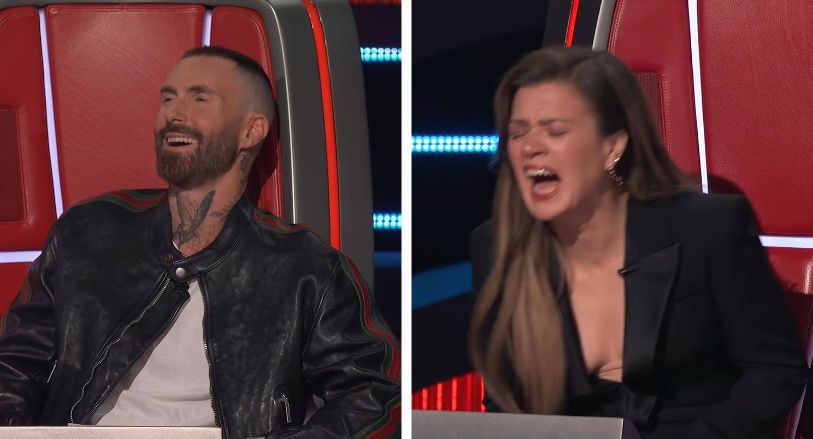
But the bigger change arrives when the Live Shows actually begin.
For the first time, viewers will have two voting methods available to support their favorite contestants. They can vote through text messages or participate through the show’s official TikTok voting process. Rather than relying exclusively on traditional television voting, The Voice is bringing social media directly into the competition.
The TikTok element is particularly interesting because it connects the show with an audience that might engage with performances differently from traditional television viewers.
A contestant could deliver an impressive performance during the broadcast, but the conversation surrounding that performance can continue long after the music stops. Short performance clips, memorable vocal moments, and recognizable personalities can all help artists attract attention online.
That creates another challenge for contestants. They must deliver performances that work on the television stage while also giving viewers something memorable enough to encourage them to support them afterward.
NBC has also confirmed that results will be announced on the same night as the performances. That means viewers won’t have to wait for a separate results episode to discover which singers are advancing. The voting process and the outcome will become part of the same evening’s excitement.
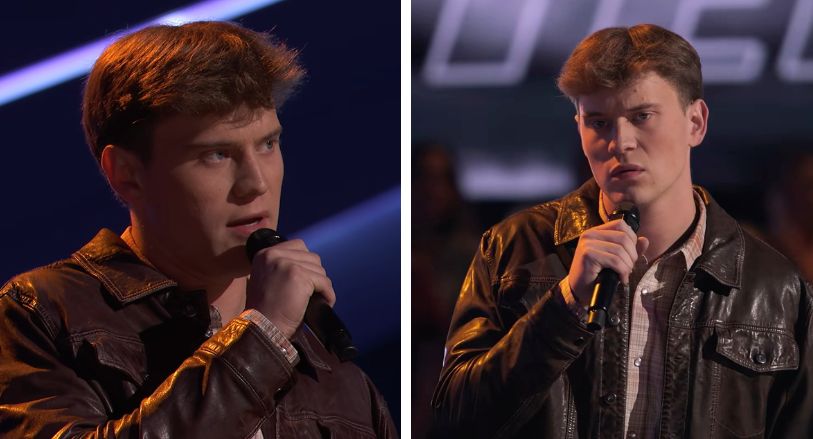
This could significantly change the atmosphere surrounding the competition.
In previous seasons, viewers often had additional time to think about performances, discuss their favorites, and decide which contestants deserved another opportunity. With same-night results, the emotional connection created during a performance could become especially important.
A singer who takes a major creative risk might immediately capture attention. Another contestant could deliver a technically impressive performance but struggle to create the same emotional connection. Whether those differences translate into votes is something that will become clearer once the competition moves into this new format.
It also raises an interesting question about what actually makes someone a successful singing competition contestant. Is it vocal ability alone, or does personality, song selection, stage presence, and the ability to connect with an audience matter just as much?
The new format could make that debate even more relevant.
There is another reason Season 30 feels particularly significant. NBC has confirmed that the Live Shows will run for six weeks, bringing back a longer stretch of live performances and audience participation.
The network has also planned themed episodes, including a Dolly Parton tribute, a Y2K-themed night, and a TikTok-focused episode. These themes could push contestants outside their usual musical comfort zones and give viewers opportunities to see different sides of their favorite artists.
A Dolly Parton tribute, for example, presents a particularly interesting challenge for country singers. Performing a song associated with such an influential artist requires more than simply reproducing a familiar melody. Contestants have to find their own interpretation while respecting the qualities that made the original recording memorable.
The Y2K theme could create an entirely different test, potentially rewarding artists who can successfully reinvent songs from another musical era.
For the contestants, these themed performances could become important opportunities to demonstrate versatility. A singer who has impressed viewers with country music might suddenly have to prove that they can handle a completely different style.
And that is where the coaches’ experience could become especially valuable. Kelly Clarkson has built a career across several musical genres, Adam Levine brings years of experience performing with Maroon 5, Queen Latifah has worked across music and entertainment, and Riley Green offers a perspective rooted in contemporary country music.
Their different backgrounds could help their contestants approach the themed performances from very different directions.
The season also offers a particularly attractive opportunity for whoever ultimately wins. NBC announced a partnership involving Live Nation Studios and the Governors Ball Music Festival, with the Season 30 champion receiving a performance slot on the festival’s 2027 main stage.
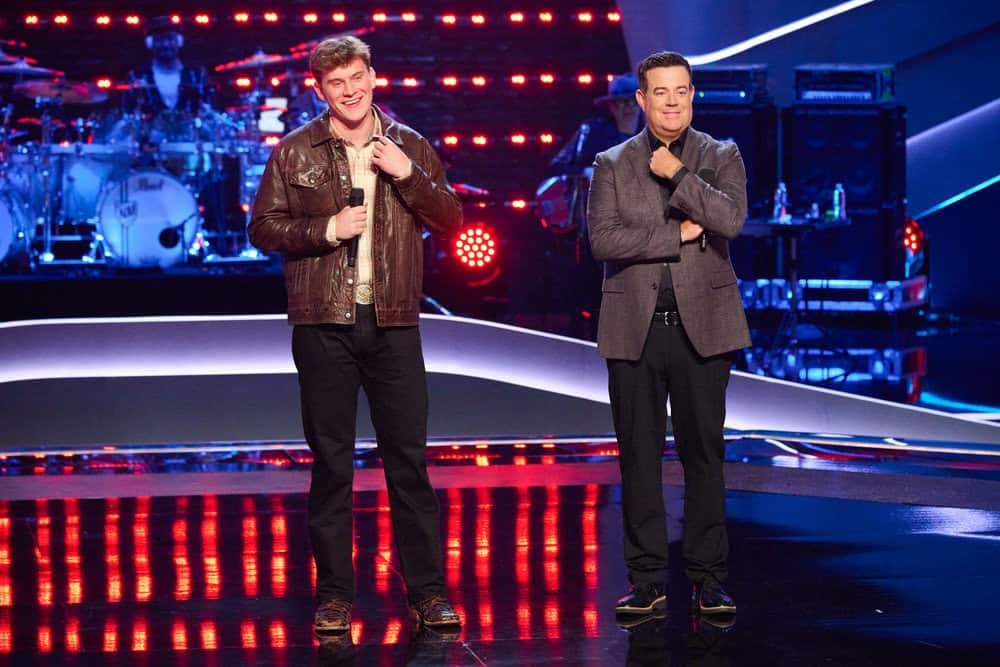
That prize adds another dimension to the competition. Winning The Voice has always been about earning recognition, but the opportunity to perform at a major music festival could provide an important platform for the winning artist to reach an audience beyond the television show.
Ultimately, the new voting system could be the most consequential change of all. Coaches can recognize talent, offer guidance, and make difficult decisions, but they cannot completely control what happens once viewers take over.
The contestants who succeed may need to be more than exceptional vocalists. They will need to establish an identity, make memorable song choices, and convince people at home that they are worth supporting week after week.
The Live Shows begin Monday, November 9, at 9 p.m. ET/PT on NBC, with the performances also available through Peacock. With 12 artists already confirmed and one additional place still to be decided by viewers, the next chapter of Season 30 is approaching with plenty at stake.
Personally, this is one of the more interesting directions The Voice could take. Giving viewers a greater role makes the competition feel less predictable, and it could reward contestants who build genuine connections with audiences rather than relying entirely on the approval of their coaches.
But will the new voting system help the most talented singers reach the finale, or could a contestant with an especially passionate fanbase become the unexpected favorite? That is the question fans will soon get to answer.