The Voice is making one of its biggest changes to the competition just as Season 30 reaches its most important stage. And while the upcoming Dolly Parton tribute promises an emotional celebration of country music, another development could have an even greater impact on which contestants ultimately reach the finale.
For the first time, the singing competition has introduced Cut Week, a new round that replaces the familiar Knockouts and Playoffs. Instead of following the elimination process viewers have grown accustomed to, 28 contestants must compete for just 13 places in the live shows. That means more than half of the remaining hopefuls will see their journeys end before the live competition truly begins.
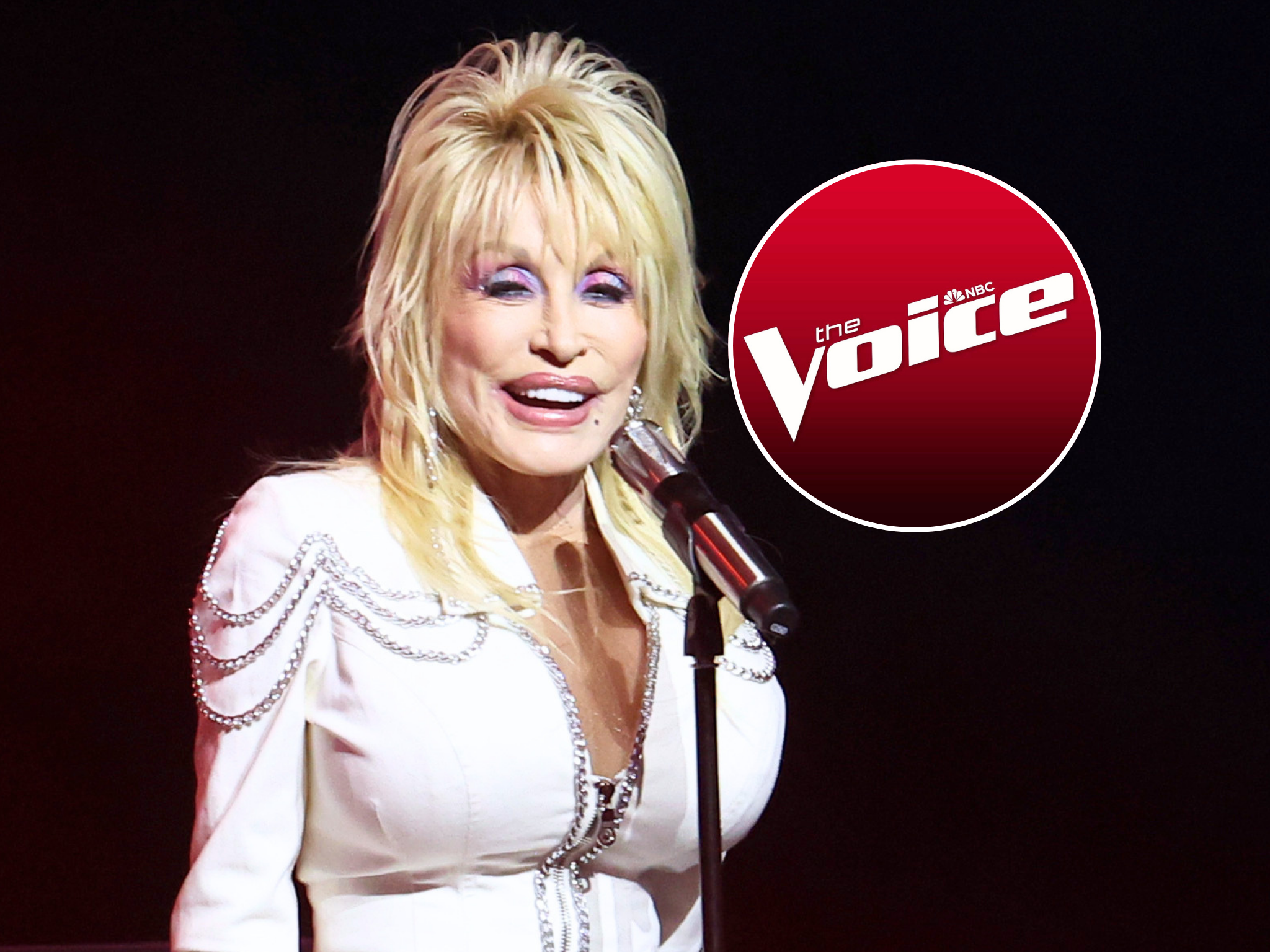
For coaches Kelly Clarkson, Adam Levine, Queen Latifah, and Riley Green, the change creates a difficult challenge. Each coach has spent the season identifying promising singers, developing their confidence, and making decisions about which voices deserve another opportunity. Now, those decisions carry even greater weight as the competition moves toward its December finale.
The most interesting question isn’t simply who survives Cut Week. It’s whether this new format gives the strongest performers the best opportunity to shine, or whether some talented contestants could be eliminated before viewers have fully discovered what they can do.
That question becomes particularly important when looking at the artists already identified as advancing to the live shows.
Kelly Clarkson’s team includes Koumba Diallo, Anna McElroy, and Brianna Cameron, giving the coach three contestants with an opportunity to compete for the Season 30 title. Clarkson has long been associated with powerful vocal performances and an ability to connect with singers on an emotional level, making her team’s progression an especially interesting storyline.
Adam Levine, meanwhile, enters the live stage with Lexi Stephens, Connor Closs, and Dakota Cohen. For Levine, the challenge now shifts from building a team to helping individual artists distinguish themselves in a much smaller field.
Queen Latifah has Mia Knight, BigCountry, and Lillie Kolich advancing, while Riley Green’s team features Ferryn & Brinkley, Cade Mower, and Joe Henley. With the final live-show position scheduled to be revealed on November 9, the complete lineup is not yet settled.
And that uncertainty is part of what makes the format change so significant.

In a traditional singing competition, viewers often develop their favorites over several performances. A contestant who struggles with one song might return with a completely different arrangement and deliver a breakthrough moment. Another singer might need time to grow comfortable with the pressure of television before revealing their full potential.
A compressed selection process can make those opportunities more limited. One performance, one song choice, or one decision by a coach may carry consequences that would have unfolded differently under the previous structure.
Of course, there is another side to the argument.
A smaller group of live-show contestants could give each remaining artist more room to establish a recognizable identity. Rather than dividing attention among a large field, viewers can concentrate on fewer voices, compare performances more closely, and develop stronger opinions about who deserves to advance.
That could make the upcoming live episodes particularly competitive.
The first two live shows, scheduled for November 9 and November 16, will feature a Y2K theme. For contestants, performing songs associated with that musical era could provide an opportunity to demonstrate versatility, stage presence, and an understanding of material that audiences already recognize.
But familiar songs come with their own challenges.
When a singer takes on music strongly associated with an established recording artist, the performance inevitably invites comparison. A technically impressive rendition may not be enough if it lacks personality, while a bold reinterpretation could distinguish a contestant even without following the original arrangement closely.
For coaches, selecting the right material becomes a strategic decision rather than simply a matter of choosing a popular song.
That challenge will become even more interesting on November 23, when The Voice presents its special Dolly Parton tribute night.
The episode is expected to feature the Top 10 contestants, placing the remaining singers in a musical environment shaped by one of country music’s most influential performers. Parton’s catalog offers opportunities for storytelling, emotional interpretation, and distinctive vocal arrangements, all qualities that can reveal different sides of a contestant’s abilities.
The tribute also has a meaningful connection to the show’s history.
Parton appeared as a mentor to all four coaches during Season 9 in 2015. Her return to the spotlight through a dedicated tribute offers an opportunity to recognize that earlier connection while introducing her music to another generation of performers and viewers.
For contestants who are not primarily country singers, the themed episode could be especially revealing. Interpreting a Dolly Parton song does not necessarily require imitating her distinctive vocal style. A performer might instead focus on the emotional narrative, reshape the arrangement, or bring influences from another genre into the performance.
The challenge will be to preserve what makes the music meaningful while delivering something personal.
That balance between respecting a familiar song and establishing an individual artistic identity is often what separates a memorable competition performance from a technically competent one.
And with the field expected to have narrowed to 10 singers by that stage, the pressure to stand out will be considerable.
Following the tribute, the competition will take another stylistic turn with a TikTok-themed episode on November 30. The semifinals are scheduled for December 7, followed by the Season 30 finale on December 14.
Another significant scheduling change is that the remaining episodes will air on Mondays only, rather than following the previous Monday-and-Tuesday pattern.
Together, these changes create a different rhythm for the final stretch of the season. Contestants must navigate themed performances, increasingly limited places, and the pressure of live television while attempting to build enough momentum to reach the finale.
For viewers, the format also raises an intriguing question about what ultimately determines success on a show like The Voice.
Is the strongest contestant necessarily the person with the most technically impressive voice? Or does winning require a combination of vocal ability, adaptability, personality, song selection, and the capacity to deliver a memorable performance at exactly the right moment?
The introduction of Cut Week makes that debate even more relevant because the competition has already reduced the field so dramatically before the live shows begin.
My view is that the format’s real test will not be whether it produces exciting television. A smaller field and higher-stakes eliminations can certainly create tension. The more important measure will be whether the eventual finalists feel like artists who genuinely earned their positions through consistently compelling performances.
And that is something viewers will only be able to judge as the remaining episodes unfold.
With Clarkson, Levine, Queen Latifah, and Green guiding their teams toward the finale, Season 30 still has plenty of opportunities for unexpected breakthroughs. A contestant who appears to be a frontrunner today could face a difficult challenge during a themed performance, while someone receiving less attention could suddenly emerge as a serious contender.
As the live shows begin, which coach has assembled the strongest team? And do you think replacing the Knockouts and Playoffs with Cut Week makes The Voice more exciting, or does it send talented singers home too soon?