When Hugh Jackman talks about A Million Dreams, he doesn’t describe it as just another movie soundtrack hit.
To him, it’s the kind of song destined to outlive generations.
But according to Jackman, one artist elevated the emotional power of the track to an entirely different level: Pink.
When the blockbuster success of The Greatest Showman inspired producers to create the companion album The Greatest Showman: Reimagined, expectations were enormous. The original soundtrack had already become a worldwide phenomenon, dominating charts and turning songs like “Rewrite the Stars” and “This Is Me” into cultural anthems.
Reimagining those tracks without losing their emotional magic felt almost impossible.
But producers reportedly believed Pink was one of the few artists capable of pulling it off.
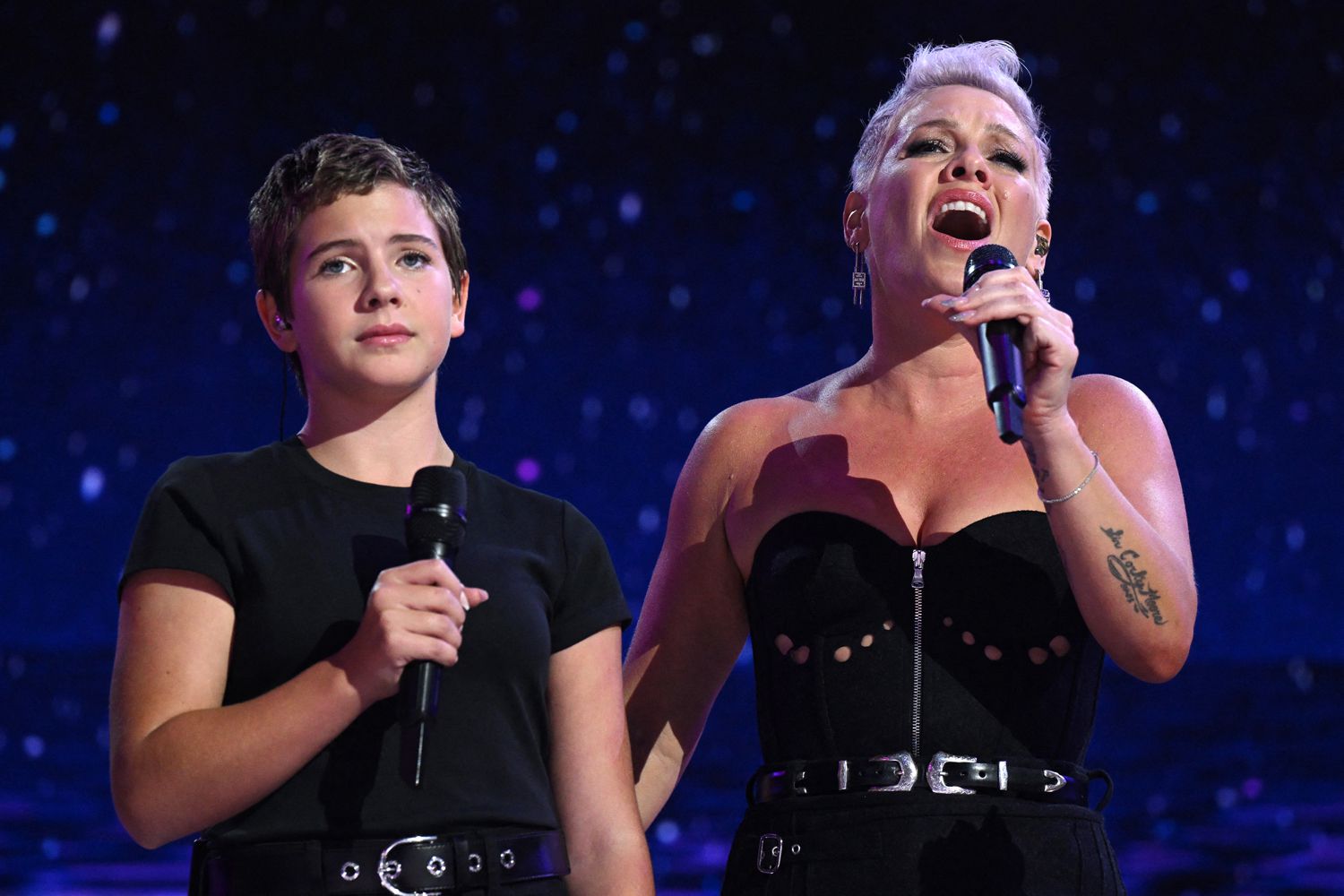
Instead of recreating the soaring theatrical style of the original version, Pink approached “A Million Dreams” from a completely different emotional angle. Joined by her daughter, Willow Sage Hart, she transformed the song into something far more intimate, grounded, and deeply personal.
And listeners felt the difference immediately.
Pink’s unmistakable raspy vocals brought a layer of emotional realism to the song that contrasted sharply with the polished Broadway energy of the original soundtrack recording. Rather than sounding cinematic and grand, her version felt human — filled with tenderness, exhaustion, determination, and hope all at once.
The performance carried the emotional weight of someone who genuinely understood the sacrifices hidden behind ambition and dreams.
That authenticity is what reportedly impressed Hugh Jackman the most.
The actor later praised Pink’s interpretation publicly, explaining that her version expanded the emotional meaning of the song beyond the film itself. According to Jackman, she didn’t simply sing the lyrics — she lived inside them.
And then came the emotional element that transformed the recording into something unforgettable.
Willow’s voice.
At just seven years old at the time, her soft vocals added a striking innocence that completely changed the emotional atmosphere of the track. What could have felt like a simple celebrity parent-child duet instead became the emotional heart of the performance.
The contrast between Willow’s youthful purity and Pink’s weathered, soulful tone created something listeners described as deeply moving.
Together, the mother and daughter dynamic reinforced the song’s central message about hope, imagination, and believing in possibilities bigger than current reality. Suddenly, “A Million Dreams” no longer felt like just a soundtrack song from a hit movie.
It felt personal.
The emotional connection resonated globally.
Pink’s rendition quickly became one of the standout tracks from The Greatest Showman: Reimagined, accumulating hundreds of millions of streams worldwide. For many fans, her interpretation became just as beloved as the original — and some listeners even argued it surpassed it emotionally.
Part of the song’s enduring impact lies in the universality of its themes.
At its core, “A Million Dreams” is about refusing to let fear, doubt, or circumstance define the future. It speaks to ambition, resilience, family, and the quiet determination to imagine something better — themes that continue resonating across generations.
Pink’s version amplified those emotions by stripping away spectacle and grounding the song in raw humanity.
And for Hugh Jackman, that emotional honesty is exactly why the song will continue surviving long after today’s trends disappear.
Great songs last because new artists continue finding deeper truths inside them.
Pink managed to honor the spirit of the original while simultaneously making the song feel completely her own — and years later, listeners are still returning to it for the same reason:
It doesn’t just sound beautiful.
It feels real.