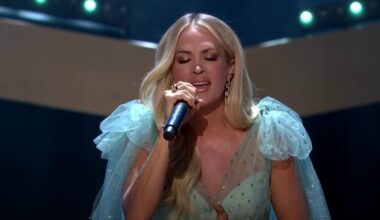
There are performances that sound great—and then there are performances that feel like they’re happening to you. When Kelly Clarkson took on “Just Give Me a Reason” shortly after her divorce, it wasn’t just another cover. It was raw, lived-in, and deeply personal.
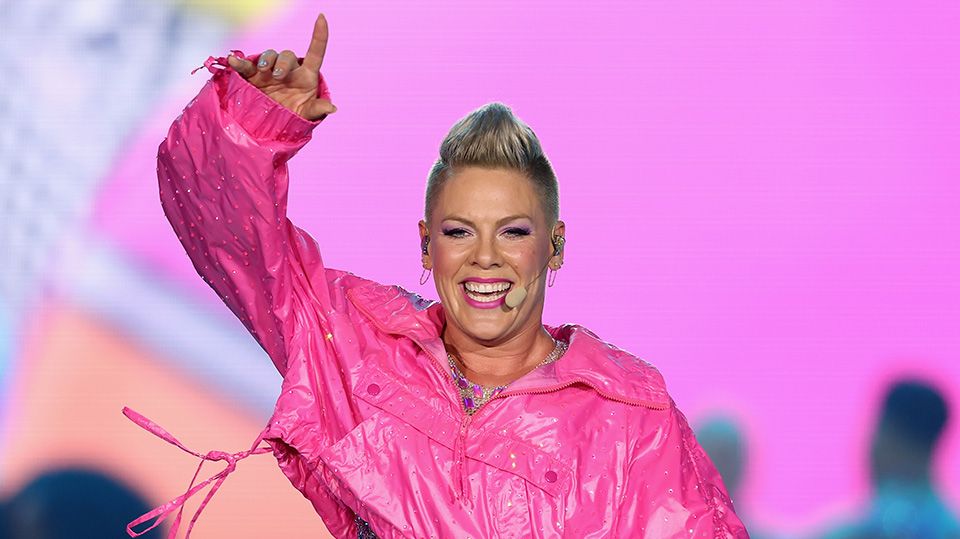
And then, in a moment that caught the audience completely off guard, Pink joined in—transforming a vulnerable solo into a powerful shared experience.
A Song That Already Carries Emotional Weight
Originally released in 2013, “Just Give Me a Reason” quickly became one of Pink’s most defining songs. Written with Jeff Bhasker and Nate Ruess—who also features on the track—the song was designed as a dialogue between two people trying to salvage a relationship.
That structure is key to its emotional pull. It’s not just about heartbreak; it’s about the fragile space between breaking and fixing. The push and pull. The hope that refuses to fully disappear.
Kelly Clarkson’s Interpretation: Personal, Not Performative
Clarkson has always had a gift for making any song feel autobiographical. In this case, the timing mattered.
Performing the song in the aftermath of her highly publicized divorce, she didn’t need to reinterpret the lyrics—they already aligned with her reality. Backed by a stripped-down arrangement featuring strings, her version leaned into restraint rather than spectacle.
Instead of belting from the start, she allowed the emotion to build gradually. When the bigger vocal moments arrived, they didn’t feel like technical showcases—they felt like emotional releases.
That distinction is what separates a good cover from a memorable one.
The Surprise That Changed Everything
Mid-performance, just as the audience had settled into Clarkson’s solo storytelling, Pink stood up from the crowd and joined in.
It wasn’t overproduced or overly staged. That’s what made it work.
The transition felt organic—almost like the song had been waiting for its second voice all along.
When Pink entered, the dynamic instantly shifted:
-
The song’s original “conversation” structure came alive
-
The emotional tension doubled, rather than diluted
-
The performance moved from introspective to communal
It became less about one person processing heartbreak and more about two artists exploring it from both sides.
Chemistry You Can’t Script
What truly elevated the moment wasn’t just the vocals—it was the interaction.
At one point, Clarkson delivered a soaring vocal run that drew a playful reaction from Pink, who gestured as if to say, “Okay, you didn’t have to go that hard.” Clarkson broke into a smile, briefly dropping the emotional intensity to share a genuine, human moment.
That balance—between heartbreak and joy, precision and spontaneity—is rare. It’s also what made the performance feel alive rather than rehearsed.
The duet quickly gained traction online, drawing millions of views. But virality here wasn’t about spectacle—it was about relatability.
Viewers connected with:
-
The authenticity of Clarkson’s delivery
-
The surprise element of Pink’s entrance
-
The visible friendship between the two artists
-
The way the performance mirrored real emotional conversations
In a digital landscape filled with polished content, this moment stood out because it felt unfiltered.
The Enduring Power of the Song
Part of why this performance resonated so deeply is because “Just Give Me a Reason” is built to evolve.
Every time it’s performed, it can take on new meaning depending on who’s singing it and where they are in their lives. In its original version, the duet with Nate Ruess emphasized contrast between two perspectives.
In this live moment, Clarkson and Pink brought something slightly different: empathy. Instead of opposing viewpoints, it felt like two people who understood the same kind of pain.
More Than a Duet
What happened on that stage wasn’t just a collaboration—it was a reminder of what live music can do at its best.
It can surprise you.
It can connect people in real time.
And sometimes, it can turn a song you already know into something that feels entirely new.
For fans, the takeaway wasn’t just “they should collaborate more”—though many still hope they will. It was the realization that when two artists with that level of emotional intelligence and vocal control meet in the right moment, you don’t just get a performance.
You get something that lingers.