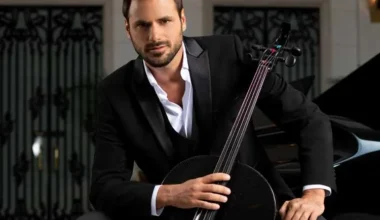
The Royal Albert Hall has witnessed centuries of musical history, but every so often, it hosts a performance that feels less like a concert and more like a confession. HAUSER’s live rendition of Tristesse was one of those moments — intimate, restrained, and devastatingly human.
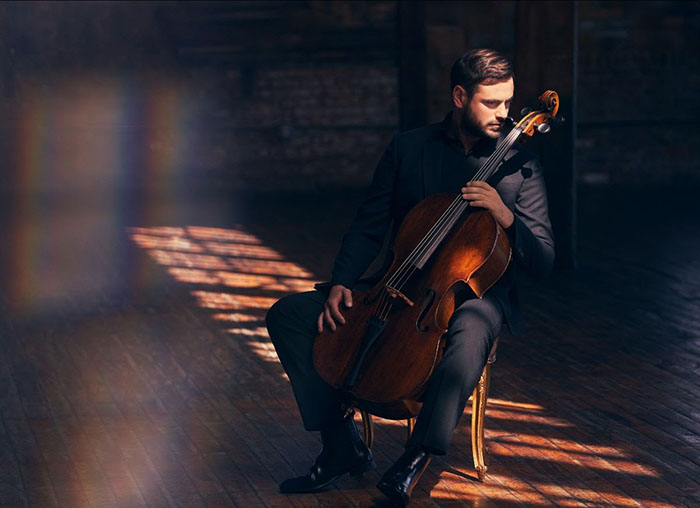
From the instant the cello begins to sing, the atmosphere shifts. The hall, usually grand and resonant, seems to shrink inward, focusing entirely on one figure, one instrument, one emotional thread. Tristesse does not rush toward drama. It lingers. It breathes. It allows sadness to exist without explanation or apology.
HAUSER’s interpretation is defined by control. His bow moves slowly, deliberately, drawing out tones that feel weighted with memory. Each note arrives as if carefully placed, aware that excess would dilute the emotion. This is not sorrow performed for effect — it is sorrow acknowledged, shaped, and released through sound.

What makes this performance so arresting is its vulnerability. HAUSER does not shield the listener from discomfort. The pauses feel long. The phrasing feels exposed. And yet, within that fragility lies beauty. Tristesse becomes a space where listeners are invited to bring their own griefs, regrets, and quiet reflections — not to resolve them, but simply to sit with them.
The Royal Albert Hall responds instinctively. The silence between notes is profound, almost reverent. Applause does not interrupt; it waits, respecting the emotional weight hanging in the air. In those moments, the audience becomes part of the performance — witnesses to something fragile and unrepeatable.
In an era where virtuosity often means speed and volume, HAUSER offers something different: dignity. He proves that technical mastery is not about showing how much you can do, but knowing exactly how little is needed. His cello does not shout its pain. It whispers it, trusting the listener to lean in.
Tristesse has always been a piece rooted in melancholy, but in this live performance, it transcends sadness and becomes something quieter and deeper — acceptance. Not the kind that resolves everything neatly, but the kind that understands emotion does not need fixing to be meaningful.

When the final note fades, it doesn’t feel like an ending. It feels like an exhale — long overdue. And in that silence, one truth becomes clear: sometimes, the most powerful music is the kind that doesn’t entertain us.
It understands us.