When Jimmy Kimmel returned to late-night television after a shocking six-day disappearance from the airwaves, viewers expected controversy, tension, and a fiery monologue.
What they didn’t expect was for Pink to deliver the moment that would completely hijack the night — and ignite a nationwide online firestorm within minutes.
The episode, broadcast on September 23, 2025, became one of the most heavily watched late-night events in years. After intense backlash surrounding comments tied to the death of conservative commentator Charlie Kirk, Kimmel’s show had reportedly been pulled from the air for nearly a week amid mounting political pressure and growing media outrage.
Then suddenly, he was back.
And millions tuned in.
The numbers alone were staggering. Reports surrounding the comeback episode claimed the broadcast attracted more than 6 million live viewers — an audience spike rarely seen in modern late-night television. Clips from Kimmel’s emotional opening monologue rapidly exploded online, generating massive traffic and transforming the return into a full-scale media event instead of a routine television episode.
Kimmel addressed the controversy immediately.
In a measured but emotional tone, he told viewers he never intended to make light of tragedy and acknowledged the intensity of the public reaction. But he also pushed back hard against critics, particularly after public claims that his show had become irrelevant.
According to viewers, the atmosphere inside the studio already felt unusually charged.
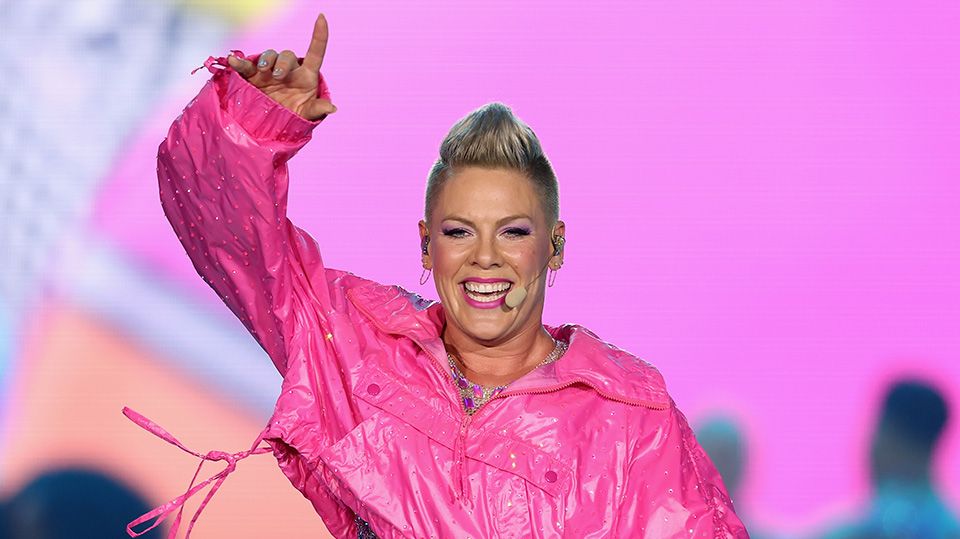
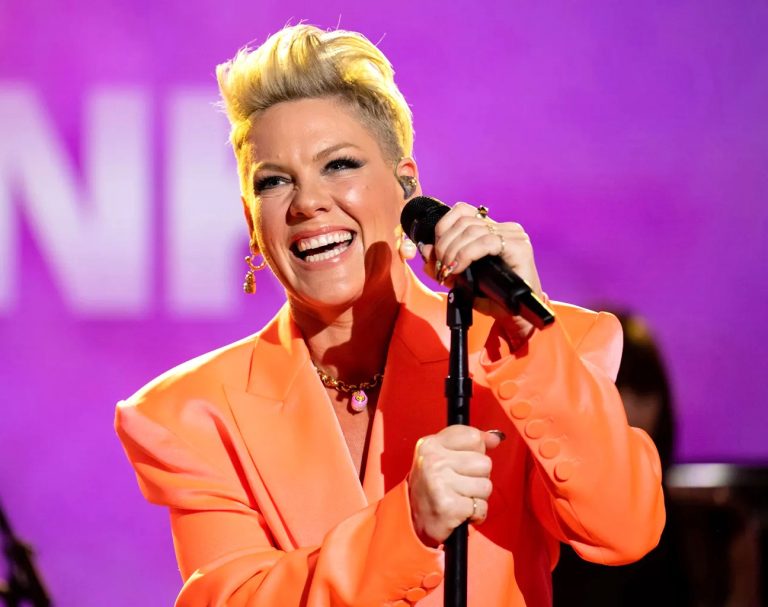
Then Pink walked onto the stage.
And within seconds, the entire tone of the night changed.
Rather than avoiding the controversy surrounding the suspension, Pink confronted it directly during her appearance. In a moment that instantly detonated across social media, the singer delivered a blunt line that audiences immediately transformed into a rallying cry:
“You can’t cancel the truth — you can only amplify it.”
The crowd erupted.
Inside the studio, cheers reportedly drowned out the next several moments of the broadcast. Online, clips of the statement spread at lightning speed as fans praised Pink for turning a television comeback into something far more politically and culturally explosive.
For many viewers, the line represented more than support for Kimmel personally.
It became symbolic.
Pink has long built her career around emotional honesty, confrontation, and resistance to polished celebrity conformity. That reputation gave the moment unusual weight. Fans saw her words not simply as a defense of one late-night host, but as a broader statement about political pressure, public outrage, and the growing cultural battle over who gets silenced — and who refuses to back down.
The timing intensified everything.
Reports surrounding Kimmel’s absence had already fueled fierce debate online about censorship, media influence, and the role comedians play during politically volatile moments. Supporters argued the suspension represented a dangerous attempt to intimidate outspoken public figures, while critics believed accountability was justified.
Pink’s statement instantly poured gasoline onto that already raging conversation.
Across social platforms, supporters flooded comment sections calling the moment “electric,” “fearless,” and “the real headline of the night.” Others described it as one of the rare television moments that felt genuinely unscripted and emotionally raw in an era dominated by carefully managed public relations messaging.
The reaction inside Hollywood was reportedly just as intense.
Hundreds of entertainers and industry figures had already publicly voiced support for Kimmel during the controversy, while protests and demonstrations reportedly emerged outside studio facilities during the suspension period. By the time Pink took the stage, emotions surrounding the situation had escalated far beyond ordinary celebrity drama.
And somehow, five words managed to capture all of it.
In later appearances, Kimmel himself reportedly reflected on the overwhelming audience reaction, admitting he was stunned by how emotionally invested viewers became in the situation. What initially looked like another media scandal unexpectedly evolved into a larger conversation about satire, free expression, and public pressure campaigns.
But even amid all the debate, one moment continued dominating headlines afterward:
Pink refusing to stay quiet.
Long after the monologue ended and the ratings numbers faded into industry analysis, her statement remained the defining image of the night — proof that sometimes the most unforgettable moment on television doesn’t come from the host behind the desk, but from the artist willing to say exactly what millions are already thinking.