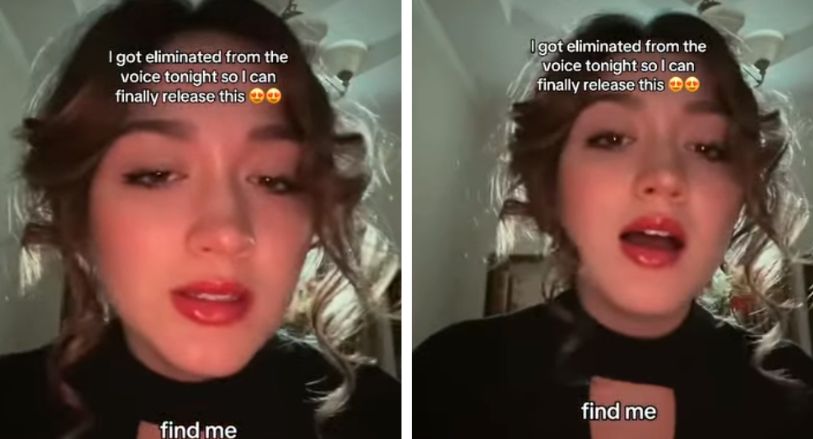
Sophia Liano may have lost her place on The Voice, but her latest move is putting the spotlight back on the music she wants the world to hear. After her Battle Round elimination, the Florida singer shared a video of an original jazz-inspired song, explaining that she could finally release it now that her time on the competition had ended.
The timing immediately gave the post an intriguing backstory. Liano’s video featured the message, “I got eliminated from the voice tonight so I can finally release this,” followed by a second line revealing the inspiration behind the track: “I haven’t heard sexy jazz in a while so I wrote this.” Rather than letting her exit become the final chapter of her appearance on the show, she used the moment to introduce fans to a different side of her artistry.

The song’s arrival also changes the way viewers can look at Liano’s departure. On The Voice, audiences saw her compete within a format built around covers, coaching decisions, and head-to-head performances. Her new video offers a glimpse of what she can create when the music is entirely her own, giving listeners a reason to follow her beyond the televised competition.
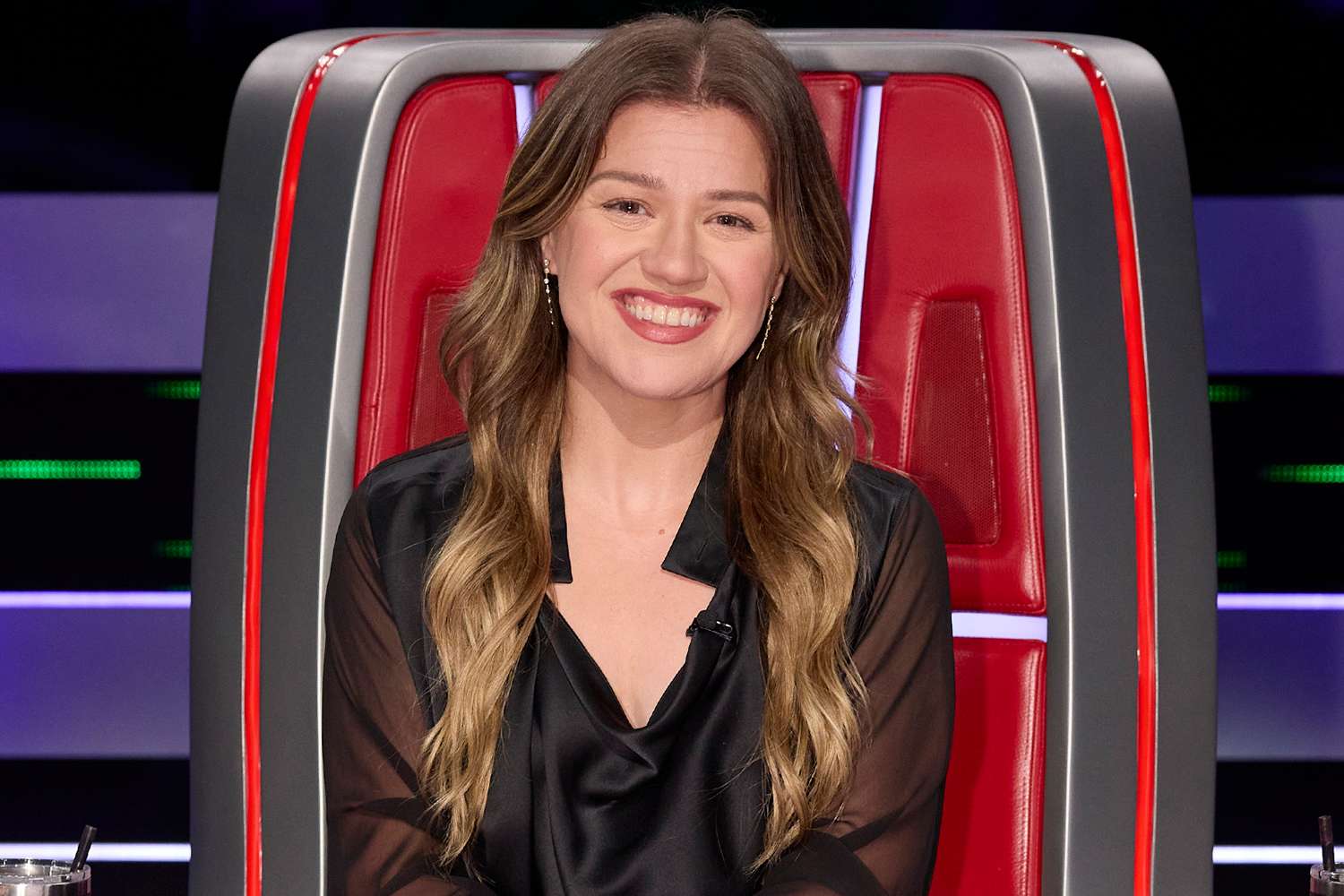
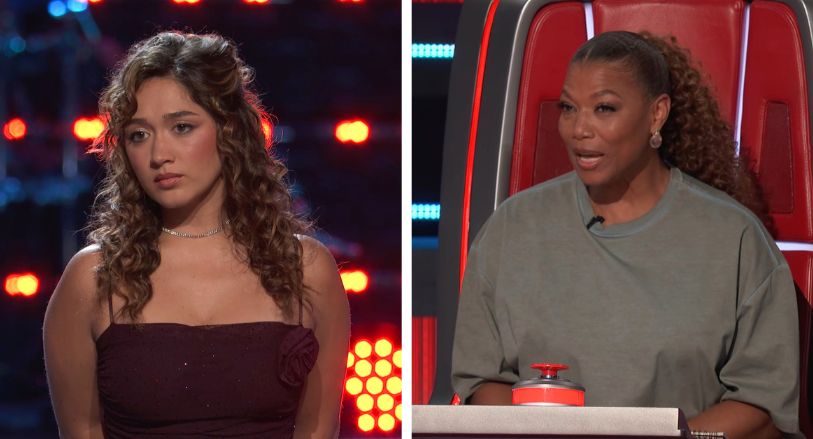
Her elimination followed a Battle Round performance against 16-year-old Mia Knight, another member of Queen Latifah’s team. The pair took on “Never Enough” from The Greatest Showman in a demanding vocal showdown that drew strong reactions from the coaches. Although Knight ultimately received Latifah’s vote to advance, the performance gave both singers an opportunity to demonstrate their abilities in front of the show’s national audience.
The reaction to the Battle was notable because the coaches clearly saw different strengths in the two performers. Riley Green praised Liano’s tone and Knight’s range, while Adam Levine also highlighted Liano’s vocal qualities and Knight’s control despite her age. Queen Latifah ultimately chose the teenager, pointing to the confidence and growth she demonstrated during the performance.
The decision left Liano without a place in the next round, but it did not erase the impression she made during the competition. Her exit also raised a question that often follows singing-show eliminations: how much should one performance determine an artist’s future when the competition offers only a limited number of opportunities to advance?
For Liano, however, the most interesting development may have little to do with whether the decision was fair. Her original song points toward a musical identity that viewers did not necessarily get to explore during the Battles. Instead of focusing exclusively on the familiar demands of a high-powered musical-theater song, she is introducing listeners to a jazz-inspired track shaped by her own creative instincts.
The comments beneath the video suggest that some listeners are already interested in hearing the complete release. One person praised the song despite not having watched her on The Voice, while another gave it a “10/10.” Other commenters urged her to release the track, and one listener even suggested it could be a fit for an animated series they were developing. Those responses indicate that the song is attracting interest beyond the immediate discussion surrounding her elimination.
Not every listener was completely sold on the production. One commenter felt the reverb was too heavy for the song’s intended style, offering a specific criticism rather than simply praising the performance. That kind of feedback could be useful as Liano develops her sound, particularly if she intends to build a distinctive identity around jazz influences and original songwriting.
The larger opportunity is that she now has a way to introduce herself on her own terms. Reality competitions can bring an artist to a much wider audience, but their formats rarely provide enough time to explore every contestant’s original material. A singer might be remembered for a single cover, a coach’s decision, or a dramatic final note, even when their ambitions extend well beyond the show.
Liano’s video offers a different narrative. Rather than asking viewers to reconsider her elimination solely because of the Battle performance, she is giving them something new to hear. That could prove more valuable in the long run than continued arguments over which singer deserved the win, especially if she follows through with a release and continues sharing original music.
There is still an important distinction between interest in a short preview and the success of a full song. Liano has not established a release date in the material provided, so listeners will have to wait for confirmation about when they can hear the complete track. For now, the video serves as a promising introduction rather than proof of what her post-show career will become.
Still, the timing makes the post difficult to ignore. The same night that closed one chapter of her Voice journey also gave her an opening to present music outside the competition’s rules. In that sense, her elimination may become less important than what she chooses to do next.
Liano’s story is a reminder that leaving a singing competition does not have to mean stepping away from the spotlight. Her next challenge is turning the curiosity surrounding this preview into a lasting connection with listeners who appreciate her own material. Will the jazz-inspired song become the beginning of a new chapter for the Florida singer, and would you like to hear the full version?