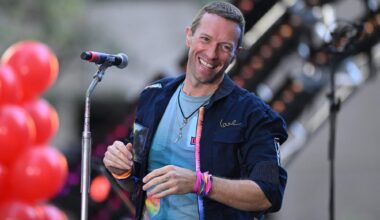
Country music has never completely lost its connection to its roots, but there are signs that the traditional sound is finding a particularly interesting place in today’s television competitions. On The Voice, Season 30 is giving audiences a reminder that powerful country singing does not always need modern production, complicated arrangements, or flashy vocal gymnastics to make an impression.
The interesting development is happening on Team Riley Green, where several contestants have demonstrated an appreciation for the storytelling, distinctive vocal character, and musical traditions that helped shape country music. And with the competition approaching its Live Shows, the team’s direction raises an intriguing question: Could a return to classic country become one of the season’s biggest advantages?
For years, country music has evolved through different generations of artists. Traditional honky-tonk, bluegrass influences, contemporary country-pop, and country-rock have all contributed to the genre’s identity. That diversity has allowed country music to reach increasingly broad audiences, but it has also created ongoing conversations about what makes a singer sound authentically country.
This season’s competition is providing an interesting opportunity to explore that question.

Riley Green, whose own musical identity is closely associated with traditional country influences, has brought a particularly recognizable perspective to the coaching panel. Rather than simply looking for technically impressive singers, his team selections have highlighted artists with distinctive musical personalities and an appreciation for country storytelling.
One of the clearest examples came during Cut Week when contestant Everett Bounds performed Clint Black’s “Killin’ Time.” The song, originally released in 1989, belongs to an era when traditional country arrangements and emotionally direct songwriting occupied an important place on country radio.
Green was clearly impressed by what he heard. Discussing Bounds’ performance, he pointed to the growing appreciation for traditional country music and praised the contestant for representing that sound authentically.
Unfortunately, Bounds did not secure one of the available positions on Team Riley for the Live Shows. Nevertheless, his performance demonstrated that the competition was not exclusively about choosing the loudest or most technically complicated vocal delivery.
That distinction matters because traditional country has always depended heavily on personality. A singer can have an impressive range, but the ability to communicate the emotion behind a song is often what makes a performance memorable.
The same musical philosophy can be heard in the work of some of country music’s most influential artists.
Keith Whitley remains one of the most important examples. Although his recording career was tragically cut short in 1989, his influence on traditional country singing has continued across generations. His warm vocal tone, understated emotional delivery, and ability to communicate heartbreak helped establish a musical identity that remains recognizable decades later.
According to the Country Music Hall of Fame and Museum, Whitley’s 1988 album “Don’t Close Your Eyes” produced three consecutive number-one country singles, including its title track, “When You Say Nothing at All,” and “I’m No Stranger to the Rain.”

Those achievements help explain why his music continues to resonate with singers who want to explore the emotional foundations of country music.
It also explains why songs from that era can feel so refreshing in a modern singing competition. Instead of relying on elaborate production, they give contestants an opportunity to demonstrate how effectively they can communicate a story through their voices.
This is particularly relevant as The Voice moves toward its Live Shows. Contestants will soon face a different kind of challenge, performing for viewers who may have very different musical preferences. Some audiences gravitate toward powerful pop performances, while others prefer soulful R&B, rock influences, or the familiar sounds of traditional country.
For Riley Green, building a team capable of connecting with country audiences could be an important advantage.
His other advancing contestants also bring interesting possibilities. Cade Mower offers another distinctive country presence, while the sister duo Ferryn and Brinkley Wright bring a different dynamic through their harmonies and shared musical identity. Together, they give Team Riley a combination of individual vocal personalities and group chemistry.
The fact that these three artists have different strengths could become particularly valuable during the upcoming rounds. A successful team needs more than one recognizable sound. It needs contestants who can deliver memorable performances while giving viewers different reasons to remain invested.
There is also a larger conversation taking place across country music about the renewed appreciation for traditional influences. Artists who embrace classic songwriting, organic instrumentation, and recognizable country vocal styles have continued to find audiences alongside performers exploring more contemporary sounds.
That does not mean modern country music needs to abandon experimentation. In fact, some of the most interesting developments in the genre happen when artists combine traditional influences with new musical ideas.
The Voice offers a particularly interesting environment for that balance because contestants are frequently encouraged to step outside their comfort zones. A country singer might tackle a pop song, while an R&B vocalist could discover an unexpected connection with a country classic.
Those musical experiments can reveal something important about an artist’s potential. A contestant who performs well outside their usual genre demonstrates versatility, but someone who can also maintain a recognizable identity while experimenting may have an even stronger opportunity to stand out.
That is one reason the audience’s response to different musical styles will be worth watching once Season 30 enters its next stage.
The competition has already experienced a dramatic reduction in contestants. Following the November 2 Cut Week episode, each coach selected three artists to advance directly, while one additional position was left for America’s vote. Team Riley’s confirmed Live Show representatives are Cade Mower, Ferryn and Brinkley, and Joe Henley.
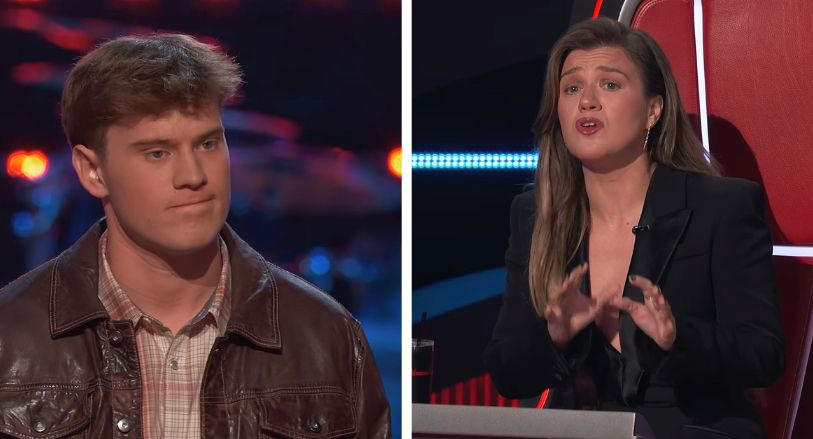
With only a limited number of performances remaining before the finale, every contestant will need to establish a strong connection with viewers.
And that is where traditional country could become especially interesting. The genre’s greatest strength has often been its ability to make listeners feel that a song is speaking directly to them. A memorable melody and an emotionally convincing vocal performance can sometimes achieve more than an elaborate stage production.
In my view, this is exactly the kind of musical identity that deserves attention on a competition like The Voice. Vocal range and technical ability are important, but personality, authenticity, and the ability to make a familiar song feel personal can be just as powerful.
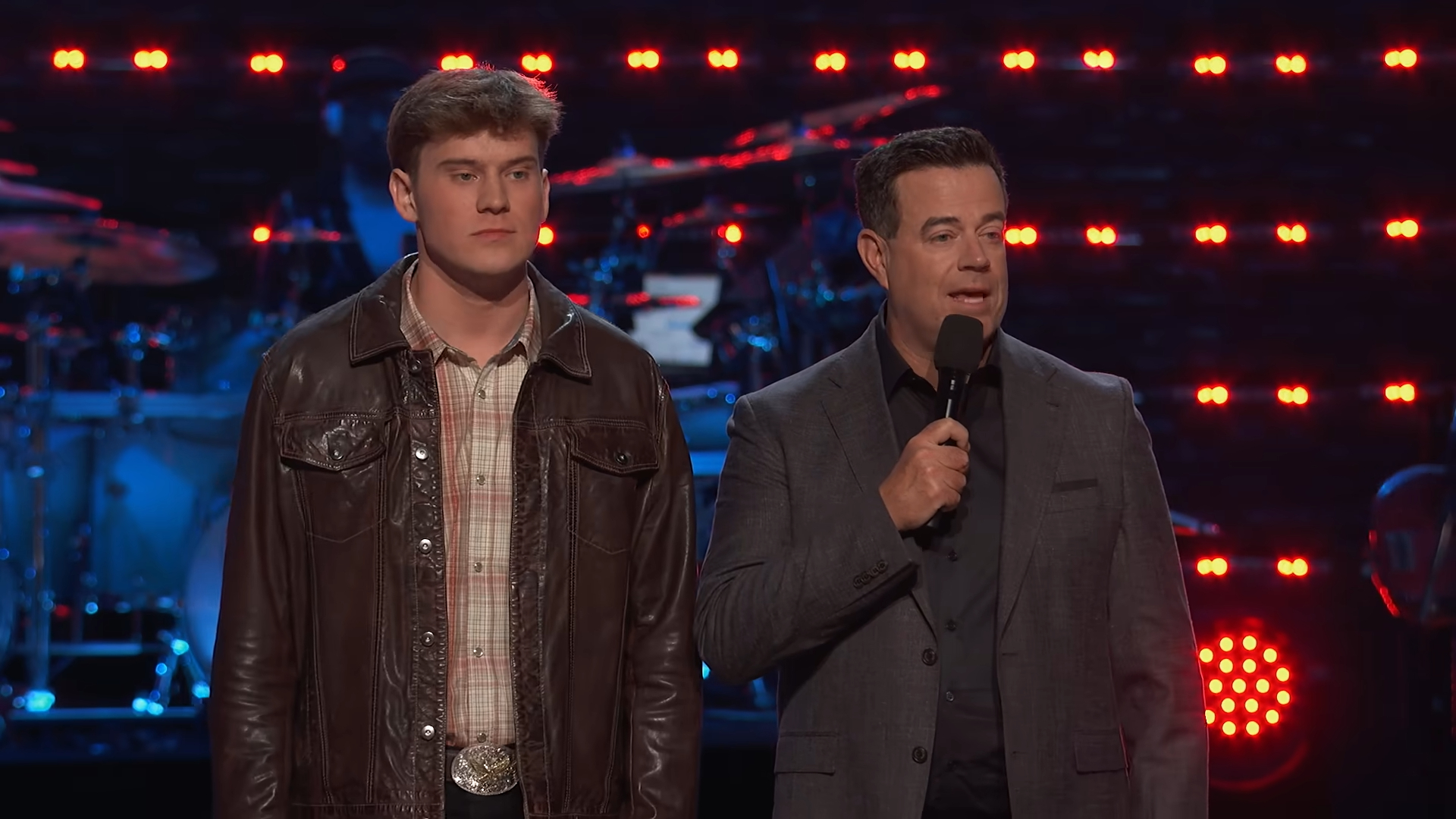
Riley Green’s team has an opportunity to demonstrate that country music’s older influences still have a place in a competition watched by audiences with vastly different musical tastes. Whether that approach ultimately produces a finalist or even a winner remains to be seen.
The Live Shows begin November 9 on NBC, and the upcoming performances will reveal whether Team Riley can turn its traditional country identity into a genuine competitive advantage.
But one thing is already worth discussing: Does country music need to keep changing to attract younger listeners, or is there something special about the traditional sound that should never disappear? And which Team Riley artist has the strongest chance of proving that classic country still belongs at the center of the spotlight?