
For nearly three decades, The Voice has built its reputation around one defining idea: the coaches decide which singers deserve another opportunity. But Season 30 has introduced a twist that could change the balance of power in the competition, and this time, the most important decision may not belong to any of the four famous faces sitting in the red chairs.
The show’s first-ever Cut Week has dramatically changed the road to the Live Shows, leaving viewers with an opportunity that has never existed in quite this way before. After an unprecedented round of eliminations, 16 contestants who failed to secure their coaches’ approval are now competing for something extraordinary: one final opportunity to join the artists moving forward. And the decision belongs to America.
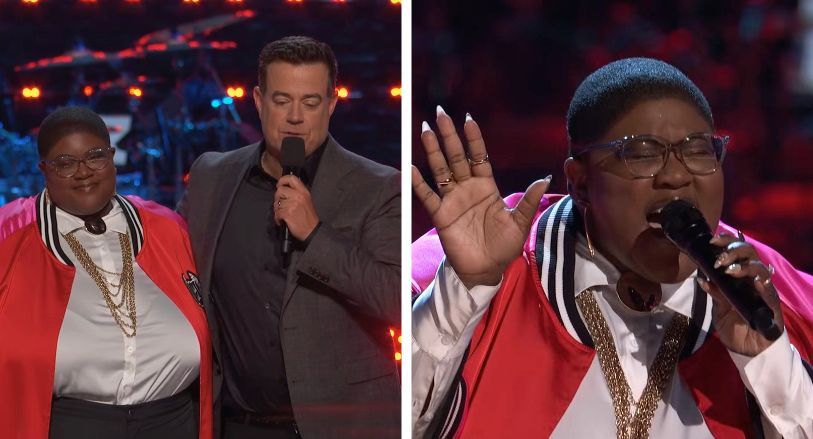
The November 2 episode marked a major turning point for the milestone 30th season. Rather than following the familiar Knockout Rounds format, NBC introduced Cut Week, an elimination process designed to reduce the competition at an unusually rapid pace. With 28 artists still in contention, the four coaches faced the difficult task of shrinking their teams to just three contestants apiece.
That meant Kelly Clarkson, Adam Levine, Queen Latifah and Riley Green each had to make some of the toughest decisions of the season. Every coach initially selected two artists to advance automatically, giving those singers a guaranteed place in the Live Shows. The remaining five contestants on each team then performed for one final position.
It was an unforgiving format. Instead of gradually narrowing the competition over multiple rounds, the show placed enormous pressure on the contestants in a single episode. One performance could determine whether an artist continued toward the championship or saw their televised journey end.
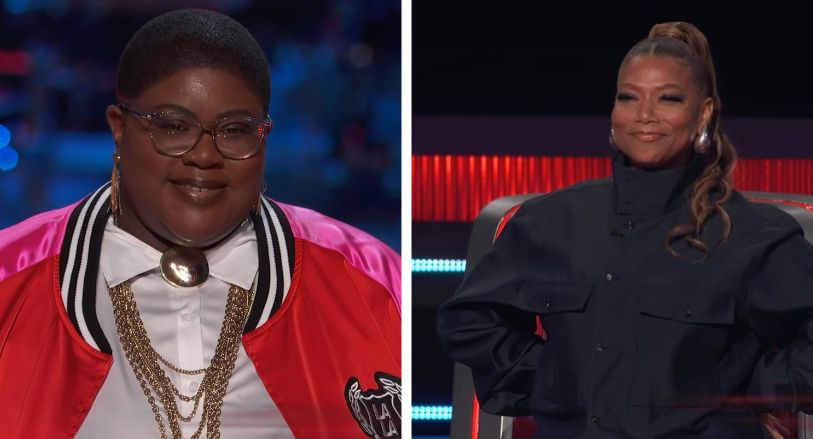
The first two selections from each team established the initial group of eight advancing artists. Queen Latifah chose Mia Knight and BigCountry, while Adam Levine secured places for Lexi Stephens and Connor Closs. Riley Green moved forward with Cade Mower and the sister duo Ferryn and Brinkley, while Kelly Clarkson selected Koumba Diallo and Anna McElroy.
Those decisions were only the beginning, however. The remaining contestants still had an opportunity to convince their coaches that they deserved a place in the next stage.
When the performances concluded, each coach made one additional selection. Latifah chose Lillie Kolich, Levine went with Dakota Cohen, Green selected Joe Henley, and Clarkson ultimately advanced Brianna Cameron. That brought the number of confirmed Live Show contestants to 12.
But there was still one important position available.
For the first time in this new competition format, viewers were given the opportunity to bring an additional contestant back into the spotlight through public voting. The 16 artists who did not receive one of the coaches’ selections became eligible for that final opportunity, meaning their competition was not necessarily over when their performances ended.
This is where Season 30 becomes particularly interesting. The coaches have already demonstrated which singers they believe offer the strongest possibilities for their respective teams. However, the audience now has an opportunity to express a different opinion.
It creates a fascinating situation because a contestant who did not fit a coach’s immediate plans could still have enough support from viewers to earn another chance. An artist who delivered a memorable performance, developed a connection with the audience, or simply left viewers wanting more could potentially benefit from this new voting system.
NBC has also introduced additional changes that make audience participation a bigger part of the season. According to the network’s official announcement, viewers can vote through text messaging and TikTok during the Live Shows. The results will also be announced on the same night as the performances, rather than requiring audiences to wait for a separate results episode.
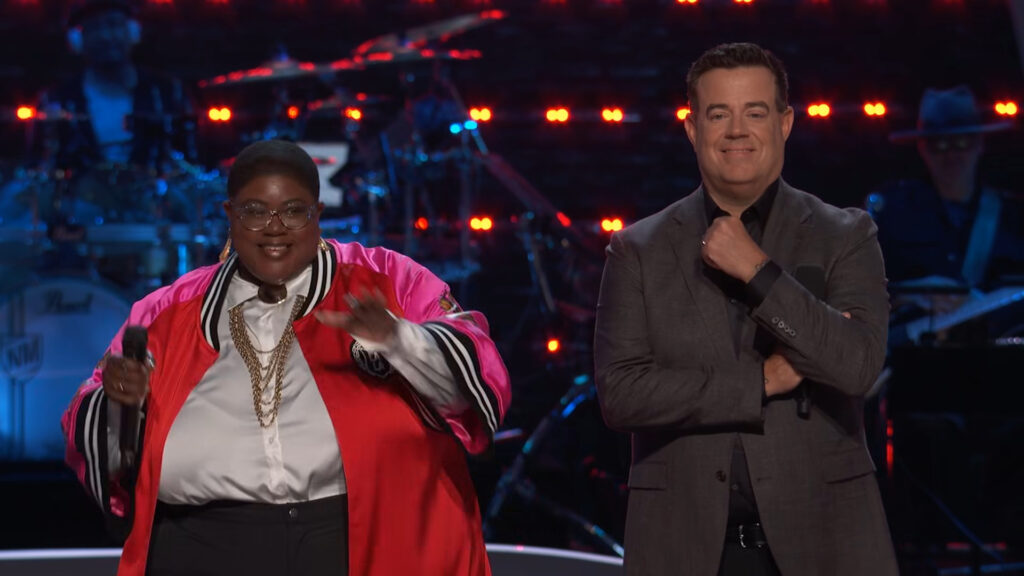
These changes represent a significant evolution for a competition that has traditionally relied heavily on its coaches’ decisions during the early stages.
There is also an interesting competitive advantage to consider. The 12 artists already selected have the security of knowing their coaches believe they are ready for the next stage. The contestant chosen by America, however, will arrive with a different kind of momentum: direct evidence that viewers wanted to see them continue.
That could become particularly important once the competition moves into the Live Shows, where audience support becomes increasingly influential.
The four teams also have plenty of reasons to be interesting when the performances resume. Queen Latifah will have Mia Knight, BigCountry and Lillie Kolich representing her team. Adam Levine will move forward with Lexi Stephens, Connor Closs and Dakota Cohen. Riley Green will have Cade Mower, Ferryn and Brinkley, and Joe Henley, while Kelly Clarkson will be represented by Koumba Diallo, Anna McElroy and Brianna Cameron.
Each coach has selected a different combination of artists, creating four teams with their own musical identities and competitive possibilities.
One particularly interesting decision came from Clarkson, who compared Brianna Cameron to a young Whitney Houston after her performance. Meanwhile, Levine explained his decision to advance Dakota Cohen by highlighting the need for more female rock singers in the competition. Green’s selection of Joe Henley also came after the contestant received a standing ovation from all four coaches.
These moments demonstrate how much can change during a single performance. A contestant who might have seemed uncertain about their future can suddenly become one of the most interesting artists heading toward the Live Shows.

However, the bigger question is whether the new format will make the competition more exciting or leave viewers wishing the coaches had more opportunities to develop their artists.
There is a reasonable argument on both sides. Reducing 28 contestants to 12 in one night creates immediate drama and makes every performance feel important. It also gives viewers a much clearer picture of which artists have earned their coaches’ confidence.
On the other hand, singing competitions have always involved difficult decisions, and a single performance does not necessarily reveal everything an artist can offer. Some singers need time to find the right song, develop confidence onstage, or demonstrate a different side of their musical identity.
That is precisely why the additional audience vote could prove so valuable. It offers a second opportunity for an artist whose journey might otherwise have ended before viewers were ready to say goodbye.
The upcoming Live Shows will provide the real test of whether these changes work. The competition begins Monday, November 9, at 9 p.m. ET on NBC, with the additional contestant selected by America’s vote completing the Top 13.
Season 30 is already taking The Voice in a different direction, and the most compelling part may be that the coaches no longer have the final word on every artist’s fate. Their decisions have established the first 12 places, but viewers have been given the chance to shape the final lineup.
Personally, that is one of the most interesting possibilities this format introduces. A singing competition should be about discovering exceptional talent, but it should also give audiences a meaningful reason to invest in the artists they believe deserve another chance.
So, as the show prepares to enter its Live Show era, one question deserves attention: Should The Voice continue giving viewers the power to rescue a contestant after the coaches send them home, or should those decisions remain entirely in the hands of the coaches?


