A singing competition used to have a fairly straightforward relationship with its audience: viewers watched the performances, picked their favorites, and waited to discover who survived the next elimination. But The Voice is beginning to challenge that traditional formula, and its milestone 30th season is introducing changes that could reshape how fans participate in reality television.
For the first time, viewers can use TikTok comments as an official voting method, watch the Live Shows simultaneously on NBC and Peacock, and follow additional content through the show’s expanding social media partnerships. These developments suggest that NBC is thinking beyond the traditional television audience and looking at how modern entertainment fans interact with their favorite performers.
And there is one particularly interesting consequence: a contestant’s success may increasingly depend on how effectively they connect with audiences beyond the stage.

The changes are part of a broader strategy announced by NBC ahead of Season 30. The network confirmed that the milestone season would introduce new voting options, creator partnerships, behind-the-scenes access, and opportunities for fans to follow the competition across multiple platforms.
It is a significant shift for a series that has spent years building its identity around the chemistry between contestants and celebrity coaches.
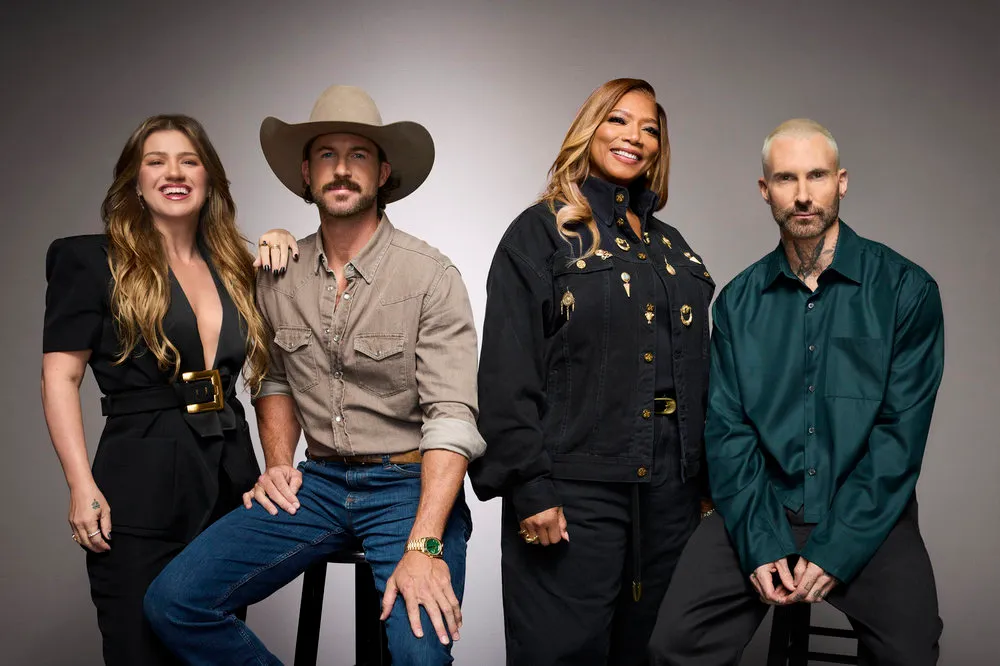
Kelly Clarkson, Adam Levine, Queen Latifah, and Riley Green are leading the coaching panel this season, bringing together four different musical backgrounds and fan bases. Their presence already gives Season 30 an interesting combination of personalities, but NBC clearly wants the audience to become a more active part of the experience.
One of the biggest changes involves voting.
Previously, viewers were accustomed to supporting their favorite contestants through the show’s established voting channels. This season, however, NBC has introduced two additional ways to participate: text messaging and TikTok.
The TikTok option is particularly interesting because it turns an ordinary social media interaction into an official part of the competition. Eligible viewers can visit the show’s official TikTok voting post and comment with the name of the contestant they want to support during the designated voting window.
A public TikTok account is required, and voting is limited by the show’s eligibility rules. Viewers can also support contestants through text messaging, with the two methods providing separate opportunities to cast votes.

This could have a meaningful impact on the way contestants approach their television appearances.
A powerful performance might convince someone watching NBC to support a singer, but a memorable moment shared online can reach people who never watched the original episode. A short vocal clip, an emotional reaction from a coach, or an unexpected musical arrangement could introduce a contestant to an entirely different audience.
That is especially important in an era when viewers regularly discover music through short-form videos rather than traditional television broadcasts.
For emerging artists, that exposure could potentially become valuable long after their competition journey ends.
NBC appears to understand that opportunity. Its partnership with TikTok extends beyond voting, introducing a broader plan to connect the show’s performers with digital audiences.
According to NBC’s official announcement, the partnership includes behind-the-scenes access from high-profile creators, live companion broadcasts before and after the television episodes, and tracking how frequently individual artists are shared on the platform. The network also announced a TikTok-themed episode during the Live Shows, along with a reward connected to the most-shared artist of the season.

That last element deserves particular attention.
Traditional singing competitions have generally focused on vocal performances, coaching decisions, and audience votes. Now, The Voice is also recognizing the importance of digital engagement.
The most-shared contestant may not necessarily be the strongest vocalist, but online attention can introduce an artist to people who might otherwise never discover them. It creates another way for performers to build recognition while competing for the championship.
Of course, popularity on social media does not automatically translate into winning a singing competition. Viewers still need to connect with the music itself, and the Live Shows will remain an important test of each artist’s ability.
Nevertheless, giving digital sharing a more visible role introduces an interesting new dimension to the competition.
The expanded creator involvement is another important part of the strategy. Rather than relying exclusively on traditional interviews and televised backstage segments, the show is opening more opportunities for online personalities to bring audiences closer to the contestants.
NBC has also partnered with Betches, a female-founded media and entertainment company, to create additional content and connect the show’s personalities with social media audiences.

The idea is relatively simple: people who follow entertainment creators may become interested in The Voice through content they encounter outside the program itself.
It also gives fans more opportunities to discover contestants as individuals rather than seeing them only during their scheduled performances.
That approach could be particularly useful for younger artists who already understand how social media works. Contestants who are comfortable sharing their personalities, musical interests, and experiences online may find additional ways to develop connections with viewers.
Meanwhile, the show is also changing the traditional television experience.
For the first time, The Voice Live Shows will be simulcast on NBC and Peacock across all time zones. That means viewers will have an additional way to watch performances as they happen instead of waiting for the next-day streaming release.
The decision also makes sense alongside the new voting system. When audiences are being encouraged to participate in real time, giving them more flexibility to watch the competition becomes increasingly important.
NBC has confirmed six weeks of live performances, with themed episodes including a Dolly Parton tribute, a Y2K celebration, and a dedicated TikTok night. The winner will also receive an opportunity to perform on the main stage at Governors Ball 2027, giving the championship an additional career-related reward.
There is another interesting aspect to consider: the changing relationship between contestants and their supporters.
In previous seasons, an artist could deliver a memorable performance and hope viewers remembered it when voting opened. Now, contestants have more opportunities to remain visible between episodes through clips, creator interviews, social media posts, and other digital content.
That could become particularly important as the competition gets closer to its finale.
A contestant who establishes a recognizable personality outside the stage might develop a stronger connection with viewers. Someone who shares their musical influences, talks about their journey, or demonstrates a different side of their talent could give audiences more reasons to follow their progress.
However, there is also a potential downside.
When social media engagement becomes such an important part of a television competition, there is always a question about whether online popularity could overshadow musical ability. A contestant with an established following might have an advantage over someone whose talent is impressive but whose digital presence is relatively small.
That does not mean this will necessarily happen on The Voice. The voting system still gives viewers the opportunity to decide which artists they support, and the show’s performances remain central to the competition. But it is a genuine question worth considering as the new format develops.
Personally, I think the most interesting part of these changes is the opportunity they create for contestants to build careers beyond the competition itself. The Voice has always introduced audiences to emerging singers, but helping those artists connect with people across multiple platforms could make their exposure more valuable.
The Live Shows begin Monday, November 9, at 9 p.m. ET on NBC, with new episodes available on Peacock the following day. The season will continue through its two-hour Live Finale on December 14.
With the coaches preparing their remaining artists for the next stage, Season 30 is about to become more than a competition between singers. It is also becoming an experiment in how television, social media, streaming, and audience participation can work together.
And that raises an important question for longtime viewers: Should a singing competition give social media popularity a bigger role in determining which artists succeed, or should the final decision depend primarily on what happens when contestants step onto the stage?