A tribute night on The Voice is always an opportunity for contestants to prove they can do more than simply deliver a great vocal performance. But Season 30 is preparing for a particularly emotional evening when its remaining singers take on the music of Dolly Parton, whose extraordinary career and influence have touched generations of musicians. This time, however, the challenge goes beyond choosing a recognizable hit: the contestants will be performing songs from an artist whose songwriting has become part of music history.
NBC has scheduled Dolly Parton Tribute Night for November 23, during the third week of the Season 30 Live Shows. The announcement takes on an especially meaningful significance following Parton’s death on August 25, 2026, at the age of 80. What might otherwise have been another themed competition episode will now give the remaining artists an opportunity to celebrate a musical legacy that continues to influence performers across country, pop, rock, and other genres.

And there is a reason this particular tribute could become one of the season’s defining moments. Parton was never simply a country singer with a collection of popular songs. She was a songwriter whose compositions became enormously successful in the hands of other performers, sometimes reaching audiences who might never have discovered the original recordings.
Consider “I Will Always Love You.” Parton originally wrote and recorded the song in 1974 as an emotional farewell to her professional partner Porter Wagoner when she decided to pursue her own career. The song became a country hit, but its cultural reach expanded dramatically when Whitney Houston recorded her version for The Bodyguard soundtrack in 1992.
Houston’s interpretation transformed the ballad into an international phenomenon, introducing the composition to an entirely different generation of listeners. Yet the story behind the song belongs to Parton, whose original recording demonstrated the emotional power of the writing long before it became one of the most recognizable pop ballads in history.
That distinction is particularly important for The Voice contestants. They will not simply be performing songs that audiences recognize. They will be interpreting compositions that have already demonstrated their ability to survive different musical arrangements, vocal styles, and generations.
Another obvious possibility is “Jolene,” one of Parton’s most enduring recordings. Released in 1973, the song tells a compelling story through a relatively simple musical arrangement. Its narrative about jealousy, vulnerability, and romantic insecurity has made it a favorite for singers looking to demonstrate storytelling ability rather than relying entirely on vocal power.
The song has also enjoyed an extraordinary second life through covers and reinterpretations. Artists from different musical backgrounds have approached it in their own ways, proving that its appeal is not restricted to traditional country audiences.
For a contestant on The Voice, choosing “Jolene” could be both an opportunity and a considerable risk. Viewers know the original so well that they will immediately notice whether an interpretation brings something fresh to the performance. A singer who simply imitates Parton’s delivery might struggle to establish an individual identity, while someone who completely changes the arrangement risks losing the qualities that make the song so memorable.
That is precisely the kind of challenge that makes a Dolly Parton tribute interesting from a competition perspective.
Then there is “Coat of Many Colors,” a song that could create a completely different atmosphere. Rather than focusing on romantic heartbreak, Parton drew inspiration from her childhood and the homemade coat her mother created for her from scraps of fabric. The song became a deeply personal account of poverty, family love, and the importance of finding dignity in circumstances that others might misunderstand.
Its emotional appeal is not dependent on elaborate production or complicated vocal arrangements. The storytelling is the heart of the composition, which makes it particularly suitable for singers who can connect with an audience through subtlety and sincerity.
A contestant who chooses this song would have to understand that delivering every note perfectly is only part of the challenge. The performance also needs to communicate the meaning behind the story. That kind of emotional connection can sometimes be more memorable than the biggest high note of the evening.
Parton’s influence also extends far beyond these familiar country classics. Her career included successful ventures into pop, rock, gospel, bluegrass, film, and musical theater. She became a member of the Rock & Roll Hall of Fame in 2022, an honor that reflected the extraordinary reach of her music beyond the genre in which she first established herself.
That achievement makes her an especially interesting choice for The Voice. The show’s contestants come from different musical backgrounds, and not every singer necessarily approaches a Dolly Parton song with the same instincts. A country performer might lean into the traditional instrumentation and storytelling, while a pop vocalist could explore the emotional structure of a ballad through a completely different arrangement.
The best tribute performances may ultimately come from artists who understand that they do not have to sound exactly like Parton to honor her music. Her songwriting provides enough room for individual interpretation, and that creative freedom could produce some of the night’s most surprising moments.
There is also a meaningful connection between Parton’s legacy and the history of singing competitions. Programs such as The Voice have introduced audiences to countless performers who hope to build lasting careers through their voices. Parton spent decades demonstrating that a successful music career requires more than an instantly recognizable sound.
She wrote thousands of songs, built an international recording career, established businesses, and became one of the most influential philanthropists in American entertainment. Her Imagination Library, founded in 1995, has distributed hundreds of millions of free books to children, extending her influence well beyond the music industry.
That combination of musical achievement and generosity is part of what makes her legacy so difficult to capture in a single television performance. A contestant might deliver a beautiful rendition of “Jolene,” but the broader story behind the woman who created it is considerably bigger than any one song.
The tribute will also arrive at a critical point in Season 30. The first two Live Show episodes are dedicated to Y2K music, with the Top 13 competing across November 9 and November 16. Dolly Parton Tribute Night follows on November 23, when the competition moves into the Top 10 stage. TikTok Night is scheduled for November 30, followed by the semifinals on December 7 and the two-hour finale on December 14.
That progression creates an interesting musical contrast. Contestants will move from nostalgic hits associated with the late 1990s and early 2000s to a celebration of one of country music’s most influential songwriters before tackling songs associated with TikTok’s musical culture. Each week will demand something different from the remaining singers.
Importantly, America’s votes will determine who continues in the competition. Viewers can vote through SMS and TikTok during the designated voting window, with results announced during the same broadcast. That means a powerful tribute performance will need to connect with audiences immediately rather than relying on a separate results episode to build momentum.
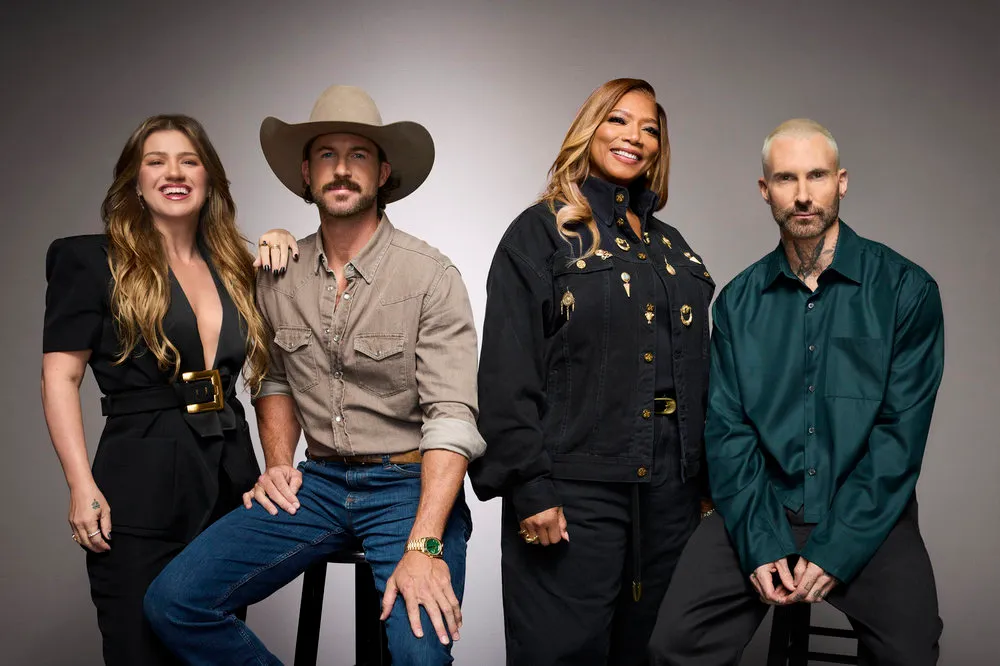
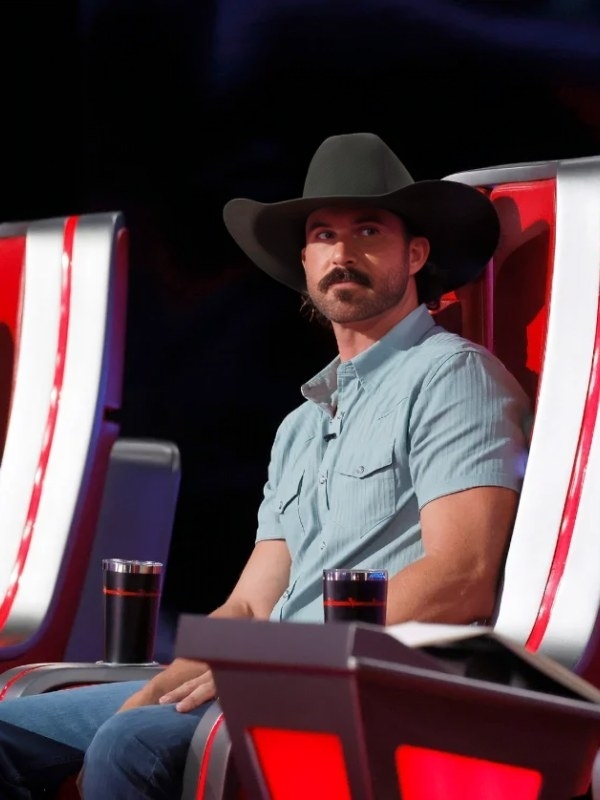
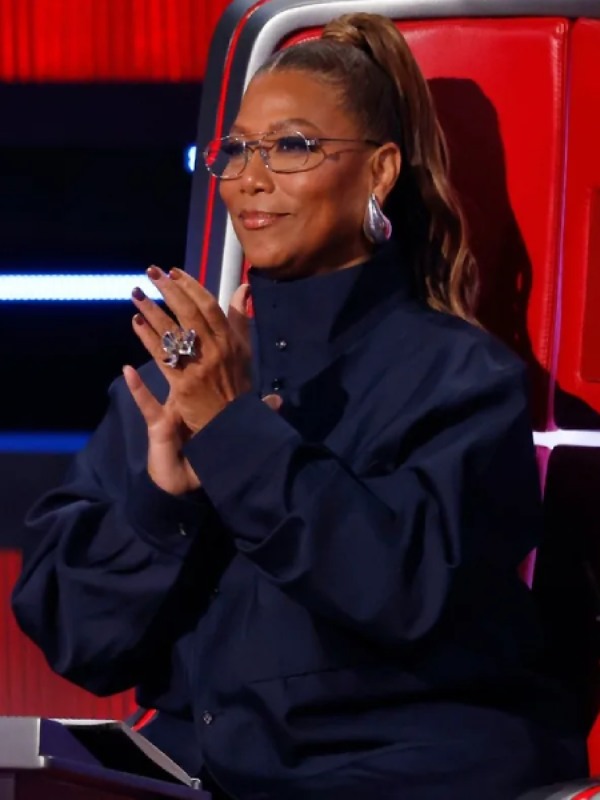
For Kelly Clarkson, Adam Levine, Queen Latifah, and Riley Green, the night should also provide an interesting opportunity to see how their artists approach material outside their usual comfort zones. The coaches have different musical backgrounds, and their reactions to the performances could be just as interesting as the contestants’ interpretations.
Personally, Dolly Parton Tribute Night has the potential to become one of the most meaningful episodes of Season 30. The strongest performance might not necessarily belong to the singer with the biggest voice or the most elaborate arrangement. It could belong to the contestant who understands the story behind a song and makes viewers feel every part of it.
And that is perhaps the most fitting way for The Voice to celebrate Parton. Her songs have survived because they connect with people, not because they belong to one particular era or musical style.
Which Dolly Parton song would you most like to hear on The Voice: “Jolene,” “I Will Always Love You,” “Coat of Many Colors,” or something less expected? And which of the remaining contestants do you think has the musical personality to deliver the tribute’s most unforgettable performance?