BigCountry’s journey on The Voice Season 30 came to an unexpected end on a night that was supposed to celebrate the extraordinary musical legacy of Dolly Parton. The Team Queen Latifah singer was eliminated alongside Dakota Cohen on November 23, but attention has also turned to the opening group performance, which attracted criticism from some viewers before the competitive duets even began.
The Top 10 opened the evening with Dolly Parton’s iconic workplace anthem “9 to 5,” bringing together contestants with remarkably different musical backgrounds. What should have been a lighthearted celebration became a point of debate, with several viewers questioning BigCountry’s contribution to the performance.
Some accused the country singer of making a lyrical mistake, while others were disappointed with his vocal delivery. However, those concerns were not shared by everyone, and the alleged mistake has not been independently confirmed. BigCountry also received support from viewers who enjoyed his distinctive country sound.
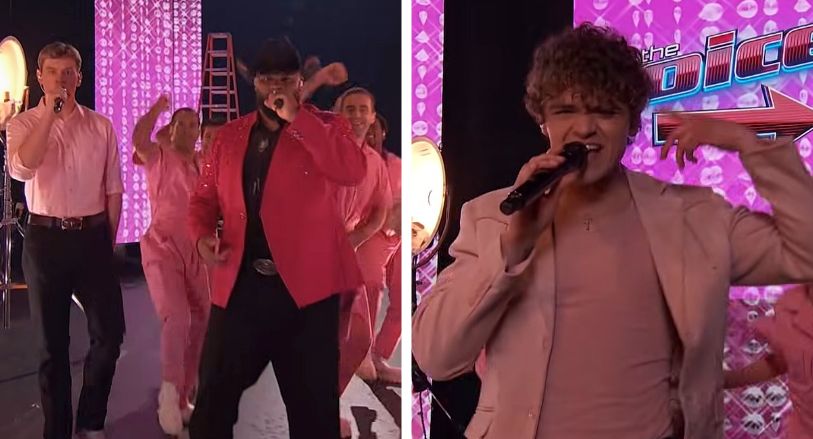
What makes the situation particularly interesting is that the opening number was not an individual competitive performance. Nevertheless, it gave viewers their first opportunity to hear the remaining contestants before voting determined who would advance.
Could an opening group performance influence how audiences judge a contestant for the remainder of the evening?
That question becomes especially relevant when considering what happened next. BigCountry returned to the stage alongside Team Adam Levine’s Dakota Cohen to perform “Jolene,” one of Parton’s most recognizable recordings.
The pairing brought together two singers from different musical backgrounds, creating an opportunity to reinterpret a country classic through contrasting vocal styles. Despite the criticism surrounding the opening number, their duet received encouraging feedback from both coaches.
Adam Levine acknowledged that the performance had improved considerably since rehearsals, while Queen Latifah expressed pride in the work the contestants had put into preparing it. Their reactions suggested that the singers had successfully responded to the challenges presented during rehearsals.
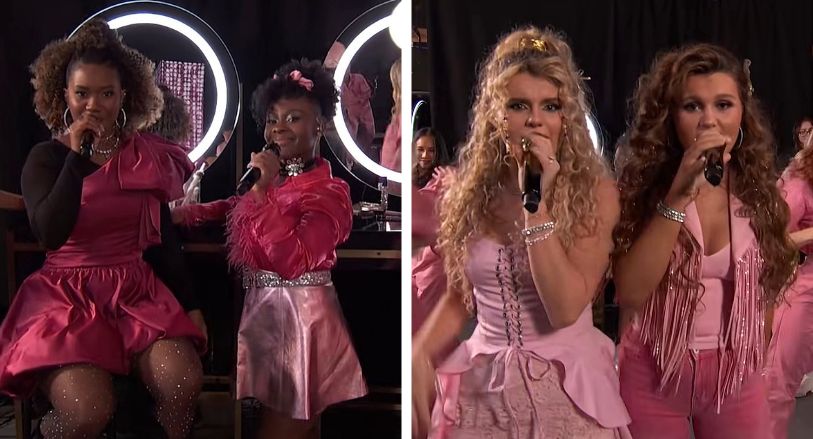
Unfortunately, that encouragement was not enough to secure another week in the competition.
At the end of the broadcast, host Carson Daly announced that both BigCountry and Dakota had failed to receive sufficient public support to advance. They became the only duet partners that evening to lose their places in the competition, with every other pairing successfully progressing to the Top 8.
There is no confirmed evidence that criticism of BigCountry’s opening performance contributed directly to his elimination. Nevertheless, the outcome highlights an interesting weakness in the unusual format introduced for Dolly Parton Night.
Unlike traditional live shows, the November 23 episode did not give contestants individual competitive performances. Instead, every remaining artist appeared in the opening group number before sharing another song with a contestant from a rival coaching team.
That arrangement created an entertaining opportunity for collaboration, but it also introduced challenges that singers would not normally face when competing individually.
A contestant performing alone has considerable control over how their voice is presented. Song selection, vocal phrasing and musical arrangements can all be tailored to highlight individual strengths. When performing alongside several other artists, however, those strengths must fit within a much larger musical arrangement.
For a singer with a distinctive voice like BigCountry, that can be particularly challenging. The qualities that make an artist recognizable during a solo performance may not necessarily translate as effectively into a group number.
Dolly Parton’s “9 to 5” presents its own difficulties. Released in 1980, the song became one of the defining recordings of her career, combining an instantly recognizable melody with rapid lyrical phrasing and an energetic arrangement.
Its familiarity makes it an appealing choice for a celebratory opening performance, but it also means that longtime fans are likely to notice even relatively small changes in delivery.
Unlike a slow ballad that allows singers to experiment with timing and emotional expression, an upbeat song involving multiple vocalists requires everyone to maintain a strong sense of rhythm and coordination.
That does not mean every unconventional vocal choice should be treated as a mistake. Part of the appeal of The Voice is hearing familiar songs interpreted by artists with different musical personalities.
However, some viewers appeared to prefer a more traditional delivery of Parton’s original recording, while others were happy to see contestants introduce their own styles.
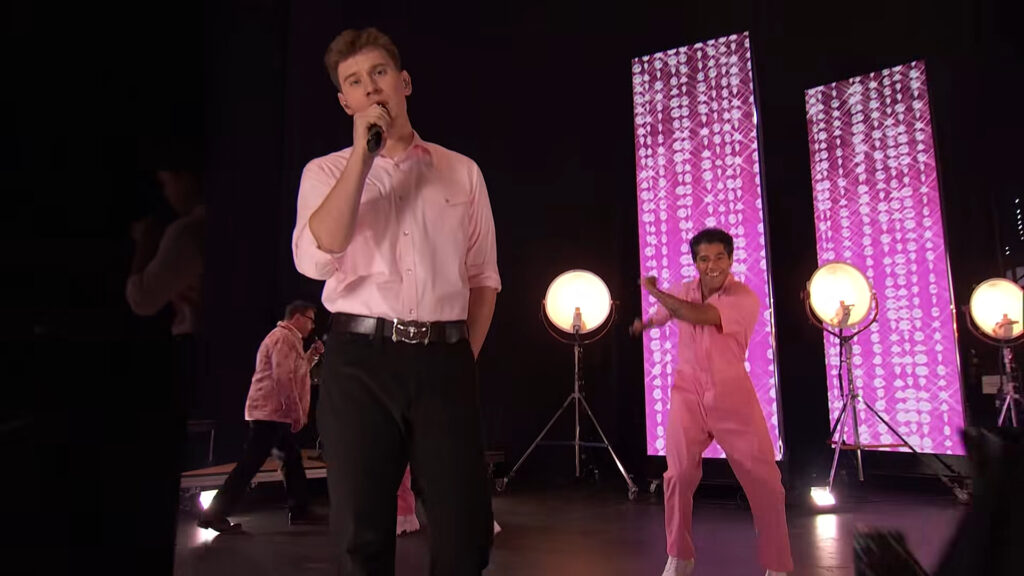
Those differing expectations are particularly important during a themed episode dedicated to such a beloved artist. Fans are not simply evaluating the contestants’ vocal abilities. They may also be comparing each performance with recordings they have listened to for decades.
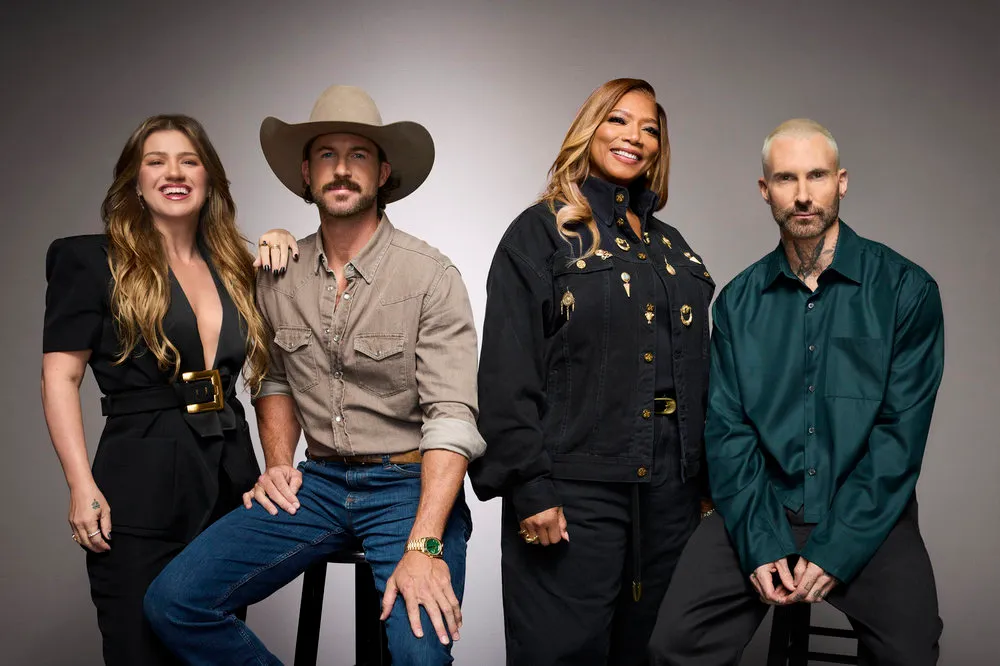
BigCountry’s departure also creates a difficult situation for Queen Latifah. Following his elimination, Mia Knight is now the coach’s sole remaining representative, while Kelly Clarkson retains three contestants and Adam Levine and Riley Green each have two acts.
Mia will now carry Team Queen’s championship hopes into the November 30 live show, which will feature music popularized through TikTok.
For BigCountry, however, the disappointing result does not erase the achievement of reaching the Top 10. Making it this far in a national singing competition requires surviving multiple rounds of selections and establishing enough public support to remain competitive.
It is also worth remembering that social media comments do not necessarily represent the opinions of everyone watching the show. A handful of critical reactions cannot establish why thousands of individual viewers made their voting decisions.
The same principle applies to Dakota Cohen, whose elimination alongside BigCountry raises further questions about whether the duet format gave both contestants sufficient opportunities to distinguish themselves.
In my view, the biggest debate surrounding Dolly Parton Night should not be whether BigCountry deserves blame for an imperfect group performance. It should be whether contestants are given a fair opportunity to demonstrate their individual abilities when their future in the competition depends on collaborative arrangements.

Group performances can be entertaining, and unexpected duets can produce extraordinary musical moments. But when elimination is at stake, every contestant deserves an opportunity to remind America why their individual voice belongs in the competition.
BigCountry and Dakota’s departure is now official, and eight acts remain in the race toward the December 14 finale. Yet the circumstances surrounding their final performances leave an interesting question worth discussing.

Was BigCountry fairly eliminated based on what he delivered during Dolly Parton Night, or should The Voice have given each contestant an individual performance before sending two artists home?