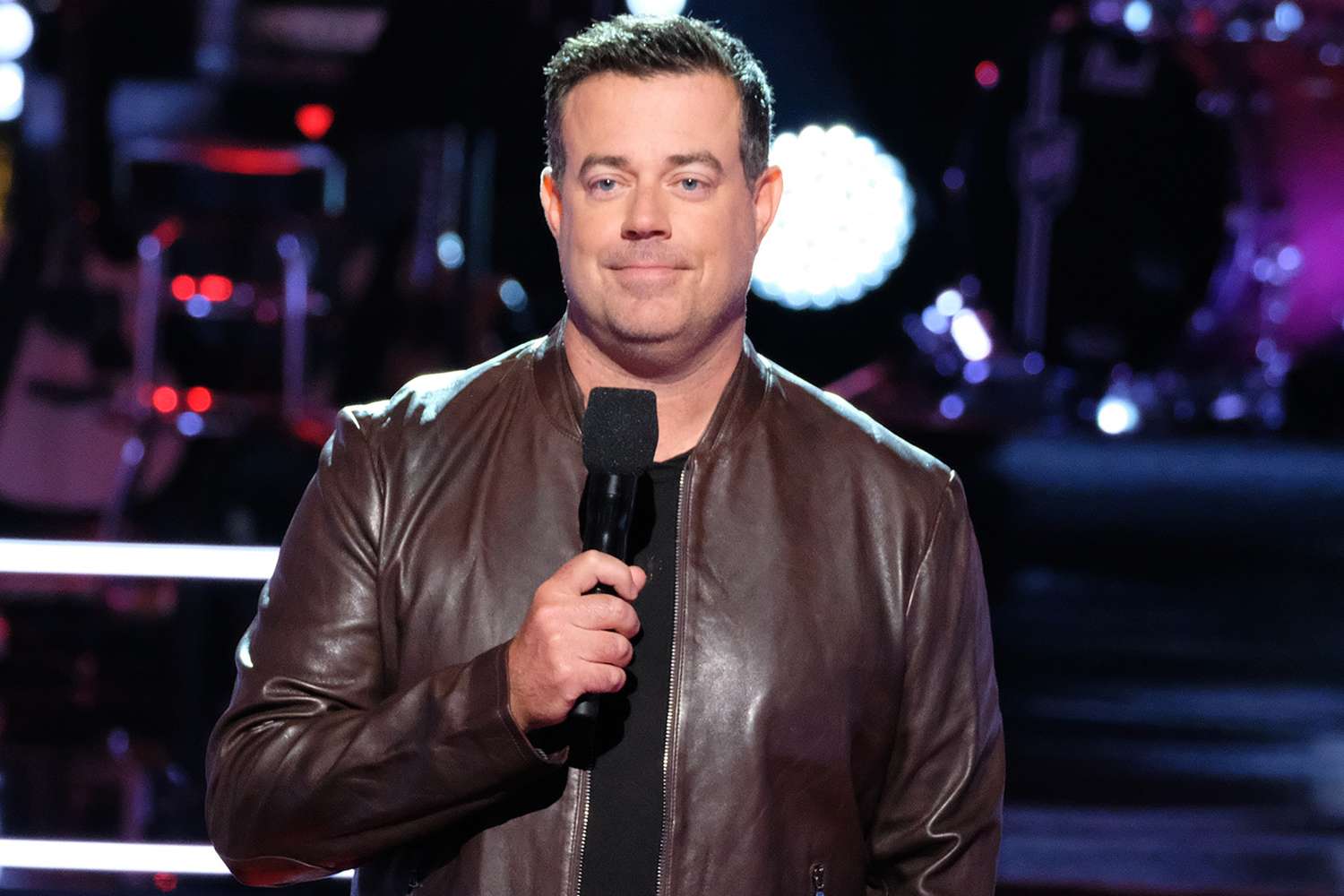
Carson Daly has spent years watching contestants on The Voice find the courage to reveal their most vulnerable sides. But one of the most meaningful moments of his own television career came when he decided to do something similar — speak publicly about the anxiety and panic attacks he had been experiencing for years.
For audiences who know Daly as the steady, familiar presence guiding contestants through emotional performances and nerve-racking eliminations, his personal story offers a different perspective on the man behind the microphone. His openness about mental health has become an important part of his public life, and it began long before conversations about anxiety became commonplace on television.
Daly’s career has taken him from MTV’s Total Request Live to late-night television, The Voice, and NBC’s Today. Throughout that journey, he has worked in environments where confidence, composure, and quick thinking are essential. Yet he has explained that appearing comfortable in front of millions of viewers does not necessarily mean feeling comfortable inside.

One of his most revealing memories dates back to his years hosting TRL, when he experienced a panic attack shortly before going on air. It was a frightening moment that challenged the assumption that someone with a successful television career must naturally feel at ease under pressure.
During a 2018 Today segment, Daly described struggling to breathe and experiencing intense fear without understanding why it was happening. The experience was particularly unsettling because there was no obvious danger around him. His body was reacting as though he faced a genuine threat, even though he was simply preparing to do his job.
That distinction is central to understanding his experience. Anxiety is not always a response to an identifiable problem, and panic attacks can occur in circumstances that appear completely ordinary to everyone else. For Daly, the experience demonstrated that outward success and internal distress can exist at the same time.

What makes his account particularly striking is that he did not describe anxiety as something that disappeared once his career became established. Instead, he has discussed learning to recognise and manage the condition while continuing to work in television.
That journey eventually led him to cognitive therapy after a friend helped him understand that his experiences could be connected to an anxiety disorder. Rather than treating his symptoms as something he simply had to endure, Daly began learning techniques designed to help him respond differently when anxiety appeared.
Among the approaches he has discussed is muscle relaxation, which he has said helps him manage his symptoms. It was an important change in perspective: instead of expecting himself never to feel anxious again, he developed practical ways to cope.
For viewers of The Voice, one detail from his account may be especially interesting. Daly has explained that his tendency to move around while appearing on television is partly connected to his anxiety. What might look like an ordinary presenting habit can therefore have a more personal explanation.
It is a reminder of how little audiences can truly know about someone’s internal experience simply by watching them on screen. A television presenter can appear relaxed, deliver lines confidently, and keep a live programme moving while managing challenges that viewers cannot see.

Daly’s willingness to discuss those experiences has also influenced how he uses his public platform. Rather than limiting the conversation to his own symptoms, he has become involved in efforts to make mental health support more accessible to others.
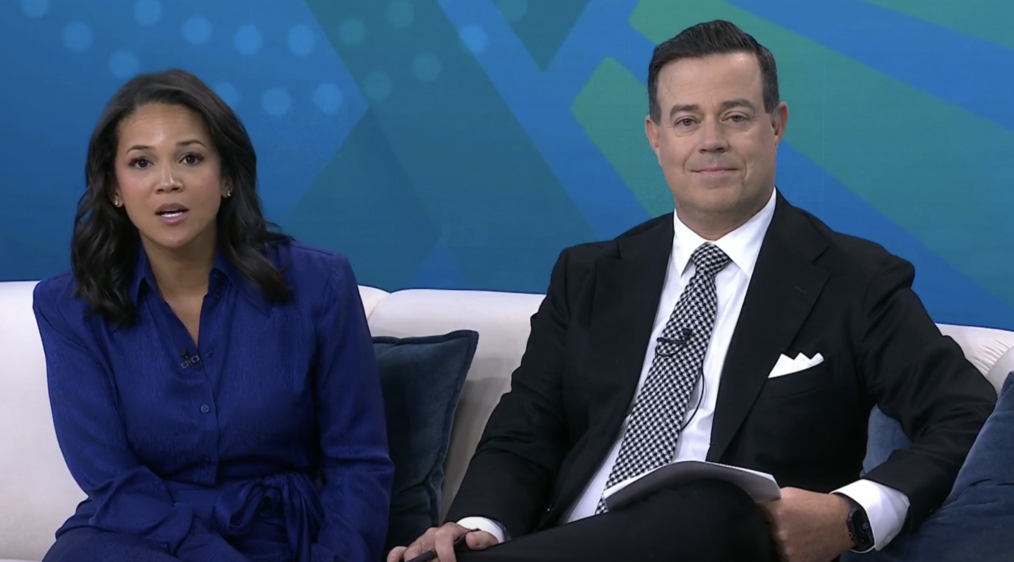
Through Today’s Mind Matters series, he has helped bring conversations about psychological wellbeing into mainstream morning television. The subject is particularly meaningful for someone who spent years experiencing symptoms before fully understanding what they were.
His involvement with Project Healthy Minds has extended that commitment beyond his broadcasting responsibilities. Daly has served on the organisation’s Board of Directors since 2021, supporting its mission to make mental health services easier to find and access.
During an October 2026 discussion on Today, he explained the organisation’s ambition through a comparison many people could understand. Finding appropriate mental health care, he suggested, should be as straightforward as using a familiar online service to arrange travel or make a restaurant reservation.
Behind that comparison is a serious challenge. People who decide to seek mental health support can face uncertainty about where to begin, which type of professional they need, and how to find suitable services. Improving access means addressing those practical barriers, not simply encouraging people to ask for help.
Daly’s advocacy is also notable because it does not depend on presenting himself as someone who has completely conquered anxiety. His public comments instead reflect an ongoing process of understanding and managing his mental health.
That approach may be especially valuable for people who assume that treatment should eliminate every difficult feeling. His experience illustrates that learning to manage anxiety can itself be meaningful progress, even when symptoms do not disappear entirely.
There is another reason his story resonates within the world of singing competitions. Programmes such as The Voice regularly place performers in situations involving public judgement, uncertainty, and enormous emotional pressure. Contestants must step onto a stage knowing that their performances will be evaluated by coaches and audiences.
Daly’s experience does not mean that contestants face the same mental health challenges he has described. However, it gives him a personal understanding of what it means to function professionally while experiencing intense internal discomfort.
That connection adds another dimension to his role on the programme. Viewers primarily see him announcing results, introducing performers, and helping contestants navigate important moments. His history reveals someone who has also had to learn how to navigate difficult emotions in a demanding public-facing career.

His openness has become particularly relevant as audiences discuss his wellbeing following the November 9 episode of The Voice. Some viewers noticed changes in his facial appearance and expressed concern. Daly has not publicly confirmed an explanation for what viewers observed, and there is no established connection between those observations and his previously disclosed anxiety.
That distinction matters. His past health experiences should not be used to diagnose a new symptom or draw conclusions about his current condition. What is documented, however, is his longstanding willingness to discuss personal challenges that many public figures might prefer to keep private.
For someone whose career has involved introducing other people’s extraordinary stories, Daly has created a meaningful story of his own through that openness. His contribution to mental health conversations extends beyond a single television interview or awareness campaign.
Perhaps the most important lesson from his journey is that confidence and anxiety are not opposites. Someone can be experienced, successful, respected, and capable while still needing support and practical coping strategies.
Daly has never needed to turn his anxiety into a dramatic television moment for it to matter. By speaking about it plainly, he has helped challenge the expectation that public figures must always appear unaffected by the pressures around them.
And that may ultimately be one of his most significant contributions outside the entertainment itself. While The Voice celebrates people brave enough to share their talent, Daly’s personal story highlights another form of courage: acknowledging a struggle that audiences might never otherwise recognise.
After decades in the spotlight, should Carson Daly’s openness about anxiety be considered one of the most important parts of his television legacy, alongside the programmes that made him famous?