At 6-foot-5, Joe Henley once had a future in basketball firmly within his sights. But the 19-year-old Alabama singer has found himself chasing an entirely different dream, and his journey on The Voice Season 30 is raising an intriguing question: what happens when someone who has never performed a professional gig suddenly becomes a serious contender on national television?
Henley’s story is not simply about a talented country singer earning attention from celebrity coaches. It is about a young man standing at a crossroads between two very different futures, choosing to pursue music after years of developing his voice in churches and family gatherings rather than professional venues.
Before appearing on The Voice, Henley attended Cottage Hill Christian Academy in Alabama, where he played varsity basketball. His height and athletic background made the sport a realistic possibility for his future, and he had considered continuing at college or potentially playing professionally overseas.

For many young athletes, that would be an exciting path worth pursuing. Henley, however, had another passion that had been growing alongside his basketball ambitions. Music had been part of his life since childhood, even if it had never previously taken him onto the kind of stage where millions of people could hear him sing.
His earliest musical experiences were deeply connected to his family and faith. Henley grew up singing in church and at family gatherings, where performing was less about impressing an audience and more about sharing something meaningful with the people around him.
His grandparents played a particularly important role in that upbringing. For more than four decades, they have operated a truck stop ministry, creating a place where faith and community intersect. Henley participated by singing and helping lead worship, gaining experience that would eventually become part of his musical foundation.
That background makes his arrival on The Voice especially interesting. Unlike contestants who spend years performing in bars, touring with bands, or building audiences through regular professional appearances, Henley entered the competition without having played a professional gig.
Yet his lack of professional experience did not prevent him from attracting attention during his Blind Audition. When he stepped onto the stage, he faced the same challenge as every other contestant: convincing established music professionals that his voice deserved a place in the competition.
Two coaches responded. Kelly Clarkson and Riley Green both turned their chairs, giving Henley a choice that could shape the next chapter of his musical journey.
For a young country singer whose influences include Travis Tritt, Keith Whitley, and George Strait, the opportunity to work with Green carried particular appeal. Although Clarkson made an effort to recruit him, Henley ultimately chose Green as his coach.
That decision was more than a simple preference between two famous artists. It placed Henley alongside a country musician whose professional experience could offer guidance as he made the transition from informal performances to the demands of a nationally televised competition.
The Voice requires far more than a naturally appealing singing voice. Contestants must adapt to unfamiliar arrangements, work within tight preparation schedules, handle criticism, and perform under pressure while knowing that their future in the competition may depend on a single song.
Henley has already navigated several of those challenges. After his Blind Audition, he advanced through the Battle Rounds and Cut Week, eventually securing one of Green’s three places in the Top 13.
That achievement is significant for someone who entered the competition without a conventional professional music background. It also demonstrates why his journey has the potential to connect with viewers who appreciate discovering artists before they have established recording careers.
There is something particularly compelling about watching a performer develop in real time. Established artists often arrive with a clear musical identity, polished presentation, and years of experience understanding what works for their audience. Newcomers like Henley have the opportunity to discover those qualities while viewers follow their progress.

His musical influences also help explain the direction he appears interested in pursuing. Keith Whitley and George Strait are closely associated with traditional country storytelling, while Travis Tritt brought a distinctive blend of country and Southern rock to his career.
Those influences suggest an appreciation for country music built around memorable melodies, recognisable vocal character, and songs that place emotional storytelling at the centre of the performance.
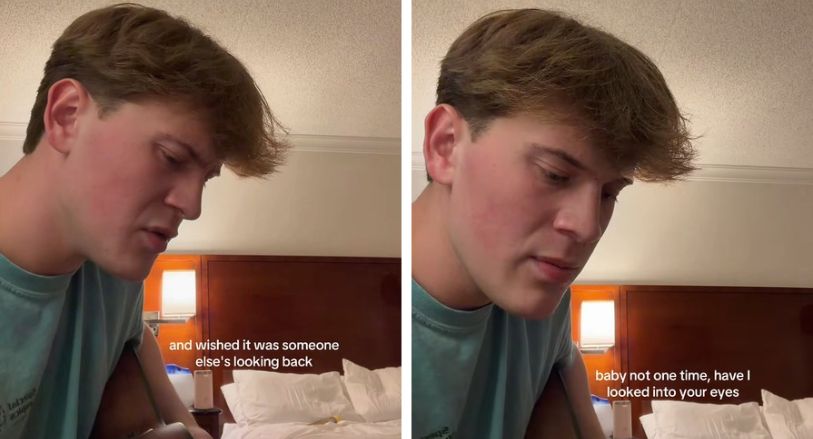
Henley’s recent acoustic cover of Kenny Whitmire’s “Thought Twice About Loving You” offers another glimpse into that musical direction. Rather than relying on a large stage production, the young singer shared a stripped-back performance featuring his voice and guitar.
The song itself carries a personal history. Whitmire co-wrote it with Drew Parker and Lindsay Rimes, drawing inspiration from his relationship with his wife, Lindsey. Its central theme of lasting devotion fits naturally within the storytelling traditions that have shaped country music for generations.
For Henley, choosing a song like that provides an opportunity to show listeners what kind of material he connects with outside the competition. Television performances can demonstrate versatility and technical ability, but informal acoustic recordings can reveal an artist’s personal musical preferences.

The response to his cover has also offered an early indication of what listeners want from him beyond The Voice. Some have requested full-length recordings, while others have suggested songs associated with artists such as Riley Green, George Strait, and Zach Bryan.
Those requests are notable because they represent different directions within contemporary and traditional country music. George Strait’s “The Chair” would place Henley in classic country territory, while Zach Bryan’s “Something in the Orange” would offer a different kind of emotional storytelling.
Whether Henley eventually records any of those songs remains unknown. But the requests themselves reveal something important: listeners are beginning to imagine his voice on material beyond what he has already performed.
That is a meaningful development for a contestant still competing on television. Winning a singing competition can provide valuable exposure, but building a lasting music career requires people to remain interested after the programme ends.
Listeners asking for recordings, suggesting future covers, and expressing interest in an album are showing the kind of curiosity that aspiring artists hope to develop. It does not guarantee commercial success, but it creates an opportunity to build a relationship with an audience.
Henley also has an advantage that cannot be manufactured through television production: a personal story that feels distinct. His combination of basketball ambitions, church singing, family influence, and traditional country inspirations gives audiences several reasons to remember him.
The contrast between his original athletic plans and his emerging musical career is especially striking. Just months after graduating from high school in 2026, he is preparing for a live television performance that could introduce him to an even wider audience.
His next scheduled appearance is the November 16 live show, when Team Riley and Team Kelly compete for viewer votes. That stage of the competition presents a different challenge because public support becomes increasingly important.
Henley will need to demonstrate not only that he can impress coaches, but also that he can connect with viewers strongly enough to earn their votes. His acoustic recordings suggest that some listeners are already interested in following him beyond individual television performances.
Still, there is no certainty about how far he will advance. The Voice has featured many talented contestants whose journeys ended earlier than supporters expected, and every live performance introduces new competitive pressure.
What makes Henley’s situation exciting is that his future remains unusually open. He could continue progressing through the competition, develop a recording career independently, or discover opportunities that were not available when basketball seemed like his primary direction.
In my view, the most compelling part of his story is not whether he ultimately wins The Voice. It is that a teenager who had never performed professionally has already reached a stage where people are asking to hear more of his music.
That transition from singing for family and church communities to attracting an audience on national television is a remarkable change in circumstances. And it raises a question that goes beyond one contestant’s progress: could the next important country artist emerge from someone who almost pursued an entirely different career?
For Joe Henley, the basketball court once represented a possible future. Now the stage offers another, and viewers have the chance to watch him discover where that path might lead. Do you think Henley has what it takes to win The Voice, or could his greatest success come after the competition is over?