Before Joe Henley ever stepped onto The Voice stage, his future appeared to be heading in a completely different direction. The 19-year-old Alabama singer once imagined pursuing basketball at college or even overseas. Now, after earning standing ovations and advancing into Season 30’s Top 10, he is discovering just how far a talent developed through church services and family gatherings might take him.
His journey is particularly remarkable because Henley did not arrive on the NBC competition with years of professional singing experience. Instead, he brought a traditional country voice shaped by family, faith, and a musical upbringing that had little to do with television fame.
On November 16, Henley delivered another important performance, closing the second Y2K-themed Live Show with Lee Ann Womack’s “I Hope You Dance.” The song gave him an opportunity to demonstrate his country roots while competing against singers with different backgrounds and musical influences.
His coach, Riley Green, was delighted with the performance. Green praised Henley’s natural ability and the progress he has made throughout the competition, describing him as one of the most naturally talented artists on the show.
But the story behind Henley’s rise makes those comments even more meaningful.
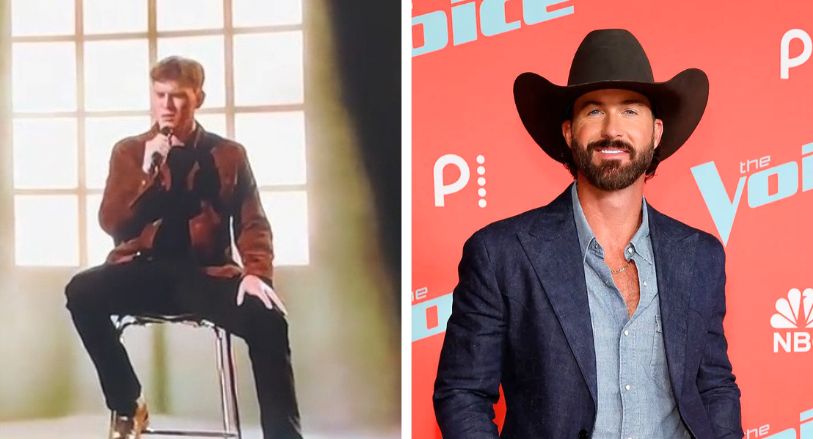
Growing up in Alabama, Henley was heavily involved in basketball. He attended Cottage Hill Christian Academy, where he played varsity basketball before graduating in 2026. His ambitions extended beyond high school competition, with the possibility of playing at college level or pursuing opportunities overseas.
For a young athlete, those were significant possibilities. Continuing in basketball would have required dedication, training, and a willingness to pursue opportunities wherever they appeared.
Music, however, was never far away.
Henley grew up singing through his grandparents’ truck stop ministry, which his family has operated for more than four decades. That environment provided a very different musical education from the formal training or professional stage experience that some singing competition contestants bring with them.
Rather than learning to perform primarily in concert venues or recording studios, Henley developed his voice through familiar surroundings and community gatherings.
There is something particularly interesting about that background. Singing in a church or ministry setting often places considerable importance on communicating the meaning of a song. The connection between the performer and the people listening can matter just as much as technical complexity.
That does not automatically make someone a successful television performer, but it may help explain why Henley has demonstrated an affinity for emotionally direct country material.
When he auditioned for The Voice, he chose Travis Tritt’s “Anymore,” a song closely associated with traditional country storytelling. The performance earned chair turns from both Kelly Clarkson and Riley Green, giving Henley a choice between two established artists.
He ultimately selected Green.
Their shared Alabama roots were part of that decision, alongside Henley’s admiration for the country singer. The partnership gave him a coach who understood the musical tradition he wanted to represent.
It also created an interesting opportunity for Green. Rather than working with a performer who had already spent years navigating the professional music industry, he was guiding a young singer whose experience had largely come from outside that environment.
The challenge was not simply helping Henley sing well. It was helping him adapt to the demands of a nationally televised competition.
The Voice requires contestants to perform under conditions that can differ dramatically from familiar local settings. They must prepare new material, work within structured rehearsals, respond to coaching, and deliver performances knowing that their future may depend on a single public vote.
Henley began demonstrating his potential during the Battles, where he defeated fellow contestant Kenna Elpers to continue in the competition.
But his Cut Week performance became an especially important moment.
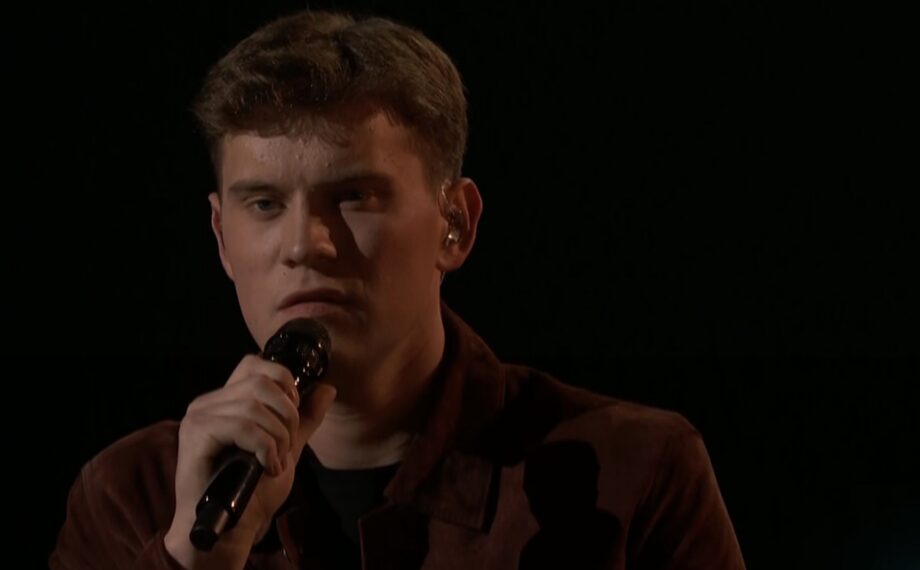
Choosing Keith Whitley’s “Don’t Close Your Eyes,” Henley returned to the kind of traditional country music that suited his musical identity. The performance earned a standing ovation from all four coaches and helped secure Green’s decision to advance him into the Live Shows.
That response was particularly significant for a singer who had entered the competition with limited professional performance experience.
It suggested that Henley’s natural abilities were translating effectively to a much larger stage.
Still, success in one round does not guarantee success in another. As contestants progress, they face increasingly demanding expectations, particularly when audiences begin comparing performances from week to week.
That made the November 16 Live Show another important test.
Henley was the final contestant to perform during the evening, taking on Lee Ann Womack’s “I Hope You Dance.” The song, released in 2000, became one of country music’s most recognizable crossover hits, known for its hopeful message and emotional warmth.
For a young singer whose musical identity is rooted in traditional country, it was a fitting selection in some respects. But it also required him to approach a song with a different emotional character from the heartbreak-centered material he had performed earlier.
Where “Don’t Close Your Eyes” explores the pain of complicated romantic feelings, “I Hope You Dance” carries a message of encouragement and possibility.
That distinction matters because a convincing country performer needs more than one emotional approach. Being able to communicate sadness, hope, vulnerability, and optimism gives a singer a broader range of storytelling possibilities.
Henley’s performance earned another enthusiastic response from Green, who focused particularly on his development.
“You crushed it, man,” Green told him, before praising his natural talent and his ability to keep improving when important opportunities arise.
The comment captured a central part of Henley’s journey. His coach was not simply celebrating one successful song. He was recognizing the progress of a young artist learning to perform at a higher level while the competition continued around him.
Henley also secured enough public support to advance into the Top 10, extending his journey beyond the first round of Live Shows.
That achievement brings his original basketball ambitions into an interesting perspective.
Only a relatively short time ago, Henley was considering a future built around athletics. Now, he has an opportunity to introduce his voice to a national audience and explore possibilities in music that may not have seemed realistic before his audition.
Of course, reaching the Top 10 does not guarantee a professional recording career. Singing competitions have produced successful artists, but the transition from television exposure to a sustainable career requires continued development, the right opportunities, and a clear artistic direction.
For Henley, that artistic direction may already be emerging.
His choices of Travis Tritt, Keith Whitley, and Lee Ann Womack material suggest a connection to country music that values recognizable melodies, emotional sincerity, and storytelling.
Those influences could become particularly important during the next stage of the competition.

On November 23, the remaining contestants are scheduled to perform songs from Dolly Parton’s catalog. The tribute offers Henley an opportunity to explore another important figure in country music while demonstrating how much he has developed.
Parton’s songwriting places considerable emphasis on narrative and emotional authenticity. A performer who understands how to communicate those qualities can create a memorable interpretation without relying entirely on vocal power.
In my view, that makes the upcoming tribute an especially interesting opportunity for Henley. His background and previous performances suggest that traditional country storytelling could be one of his strongest qualities.
But the competition will also test whether he can continue evolving beyond the songs and approaches that already feel comfortable.
His relative lack of professional experience makes that question particularly compelling. Henley has demonstrated natural ability, but every new performance is also part of his education as an artist.
Perhaps the most remarkable aspect of his story is not simply that he has reached the Top 10. It is how quickly his musical possibilities have expanded.
From singing through his grandparents’ ministry to receiving standing ovations on national television, Henley has entered a world that looks very different from the basketball future he once considered.
Now, with Green guiding him and another major performance approaching, he has an opportunity to discover whether that unexpected direction could take him even further.
Could Joe Henley become one of The Voice Season 30’s most surprising finalists, or will his limited professional experience become a challenge as the competition intensifies? And do you think he made the right decision by pursuing music instead of basketball?