
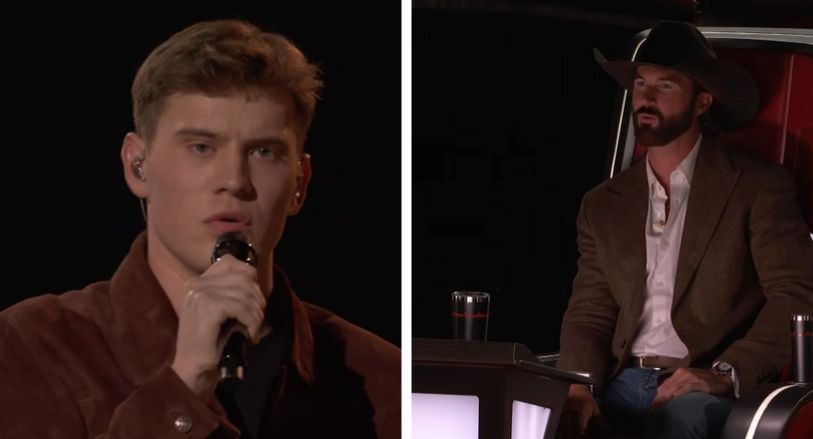
Could The Voice be witnessing the rise of another Scotty McCreery? At just 19 years old, Alabama singer Joe Henley has reached the Season 30 Top 10, and his unmistakably deep country voice is reminding some viewers of the teenager who captured America’s attention on American Idol more than a decade ago.
The comparison has become particularly interesting following Henley’s November 16 performance of Lee Ann Womack’s “I Hope You Dance.” The young contestant surprised listeners by taking on a song traditionally associated with a female vocalist, delivering an interpretation that earned praise from his coach, Riley Green, and helped secure his place in the next round.
But the similarities between Henley and McCreery go beyond their musical preferences.
Both entered national singing competitions as teenagers with unusually mature country voices. Both developed their musical identities around traditional country influences rather than contemporary pop trends. And both demonstrated that a deep, recognisable vocal tone can be an advantage in a competition featuring singers with very different styles.
For McCreery, that combination proved enormously successful.
In 2011, the North Carolina teenager won American Idol Season 10 at just 17 years old, becoming one of the youngest winners in the programme’s history. His rich baritone voice and commitment to country music helped distinguish him from contestants performing pop, rock and other genres.
McCreery’s victory also demonstrated that a traditional country sound could connect with a national television audience well beyond the genre’s established fanbase.
Fifteen years later, Henley is facing a similar opportunity.
Although he is competing on The Voice rather than American Idol, the challenge is familiar. He must convince viewers that his particular musical identity deserves recognition alongside contestants whose strengths may include powerful high notes, elaborate vocal runs or dramatic stage performances.
Henley appears to be approaching that challenge by embracing the qualities that make his voice distinctive.
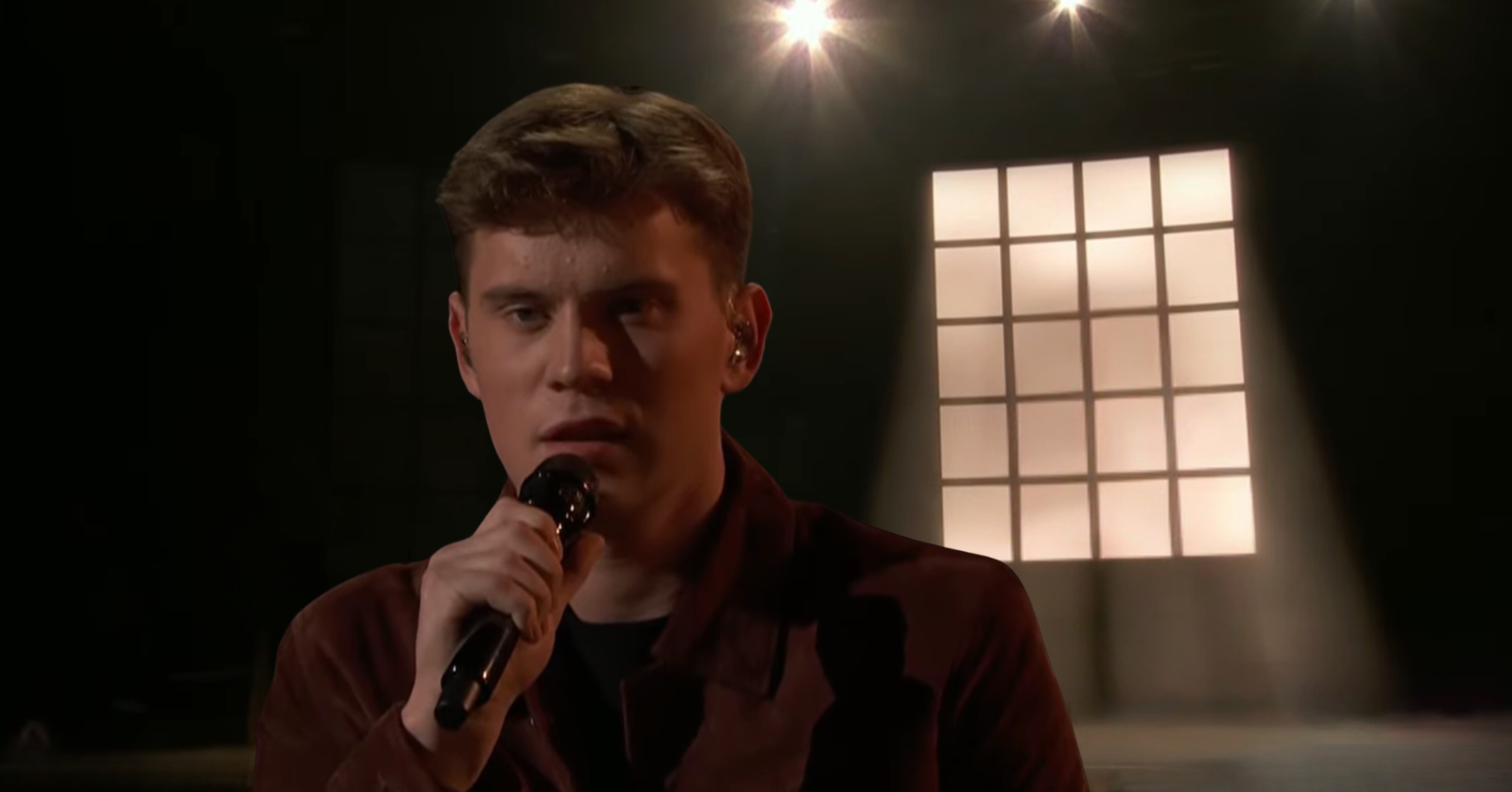
His musical influences include Travis Tritt, George Strait and Keith Whitley, three artists closely associated with country music’s storytelling traditions. Their recordings demonstrate how emotional delivery, vocal character and a strong connection to the lyrics can be just as compelling as technical showmanship.
Those influences help explain why Henley’s interpretation of “I Hope You Dance” was such an interesting choice.
Originally released in 2000, the Lee Ann Womack recording became one of country music’s most enduring inspirational songs. Its message encourages listeners to embrace opportunities, remain hopeful and approach life with courage.
The song’s emotional impact depends heavily on the sincerity of the performer.
For a 19-year-old contestant, singing material associated with life experience and reflection presents a particular challenge. The performer must communicate the message convincingly without relying solely on the emotional familiarity audiences already have with the original recording.
Henley’s decision to perform the song also represented a departure from what some listeners might have expected.
Rather than choosing a familiar male country anthem, he tackled a recording strongly associated with Womack’s expressive vocal style. That required him to interpret the material through his own deeper register while preserving the song’s emotional character.
One viewer captured the surprise in a Facebook comment, admitting that they had not imagined hearing a male singer cover the song before praising Henley’s performance.
That reaction highlights an important advantage of unexpected song choices.
When a contestant performs material audiences associate with a very different voice, the contrast can create an opportunity for a fresh interpretation. Instead of inviting a straightforward comparison between two similar performers, the new version encourages listeners to hear the composition from another perspective.
For Henley, the performance appears to have reinforced the confidence Riley Green already had in him.
Following the November 16 Live Show, Green praised the young singer’s natural ability and continued improvement. He told Henley that he had delivered another strong performance and expressed pride in the progress he was making throughout the competition.
Green’s encouragement is particularly meaningful because the two share more than a professional relationship established through the television programme.
Both are from Alabama, and both have musical identities connected to the country traditions of the American South.

Green has developed his own career through songs that draw on familiar country themes, personal storytelling and a sound influenced by earlier generations of performers. That background gives him a useful perspective when mentoring a young artist whose musical preferences lean towards classic country.
Henley, meanwhile, is developing his own approach rather than simply attempting to reproduce the sound of his influences.
That distinction will become increasingly important as the competition progresses.
The comparison with Scotty McCreery is flattering, but it also creates expectations. McCreery’s success was not based solely on possessing a deep voice. He developed a recognisable identity, built a recording career and established a lasting relationship with country music audiences.
Henley has not yet reached that stage.
His place in The Voice Top 10 demonstrates that viewers have responded positively to his performances, but translating television exposure into a sustainable career will require continued development.
That includes discovering which songs best suit his voice, expanding his performance abilities and eventually establishing an original musical catalogue.
Still, his current position offers genuine reasons for optimism.
Advancing from the Top 13 means Henley has survived another significant elimination round, while his performance of “I Hope You Dance” has shown that he can interpret material outside the most obvious choices for a young male country singer.
The next challenge could reveal even more about his potential.
On November 23, The Voice contestants are scheduled to perform during Dolly Parton Tribute Night, an episode dedicated to one of country music’s most influential songwriters and performers.
Parton’s catalogue presents an especially interesting opportunity for Henley.
Her songs frequently explore love, hardship, personal resilience and complicated emotional relationships. Many rely on direct storytelling rather than elaborate musical arrangements, making them potentially suitable for an artist whose greatest strength is the character of his voice.
However, interpreting Parton’s work also requires sensitivity.

Her recordings have become deeply familiar to generations of listeners, and successful covers must balance respect for the original material with enough individuality to justify a new interpretation.
Henley’s performance of “I Hope You Dance” suggests that he is willing to explore songs beyond the traditional expectations attached to his vocal style.
Whether that willingness will help him during Dolly Parton Night remains to be seen.
The competition itself is becoming increasingly demanding.
The remaining Top 10 includes three contestants from Team Kelly Clarkson, three from Team Adam Levine, two from Team Queen Latifah and two from Team Riley Green. Each coach still has artists competing for the title, and the shrinking field means every performance carries greater consequences.
For Henley, the challenge is to remain memorable without becoming predictable.
His deep voice has already helped him establish a recognisable musical identity, but audiences may eventually want to hear more variation in his performances. Finding that balance between consistency and creative growth could determine how far he advances.
In my view, the Scotty McCreery comparison is most valuable because it demonstrates the potential appeal of a young singer who remains committed to traditional country music. It does not mean Henley is destined to repeat McCreery’s victory, but it provides an interesting example of how a distinctive voice can become a defining advantage.
The Voice Season 30 is scheduled to conclude on December 14, leaving Henley with several important opportunities to strengthen his position before the winner is announced.
For now, he has achieved something significant: he has made a classic country sound feel relevant to a new television audience, and his coach believes he is continuing to improve.
Whether that combination can carry him all the way to the title remains uncertain.
But as Henley prepares for his next performance, the comparison with one of American Idol’s most recognisable country winners raises a compelling question: could this 19-year-old Alabama singer follow a similar path to victory, or will The Voice demand something different from him before the finale?