Kelly Clarkson made a bold prediction about Joe Henley before the Alabama teenager had even reached the final stages of The Voice Season 30. After losing him to fellow coach Riley Green during the Blind Auditions, she warned that the young country singer could win the entire competition. What makes that prediction especially fascinating is that Henley had arrived on the show without ever performing a professional gig.
For a contestant with so little formal stage experience, earning that kind of confidence from an established vocalist is remarkable. But Clarkson’s early belief in Henley also raises an interesting question about the qualities that separate a promising singer from someone capable of building a lasting career in country music.
Henley’s introduction to the national spotlight came through his Blind Audition performance of Travis Tritt’s “Anymore.” The song gave him an opportunity to showcase a traditional country sound, and his performance persuaded both Clarkson and Green to turn their chairs.
That response immediately created an important decision for the 19-year-old. Clarkson brought years of experience as a successful recording artist and vocal powerhouse, while Green offered a direct connection to the country music tradition Henley wanted to pursue.
The decision became particularly memorable when Green joined Henley onstage for a performance of “My Way.” Henley ultimately chose Green as his coach, establishing a partnership that would become central to his progress through the competition.
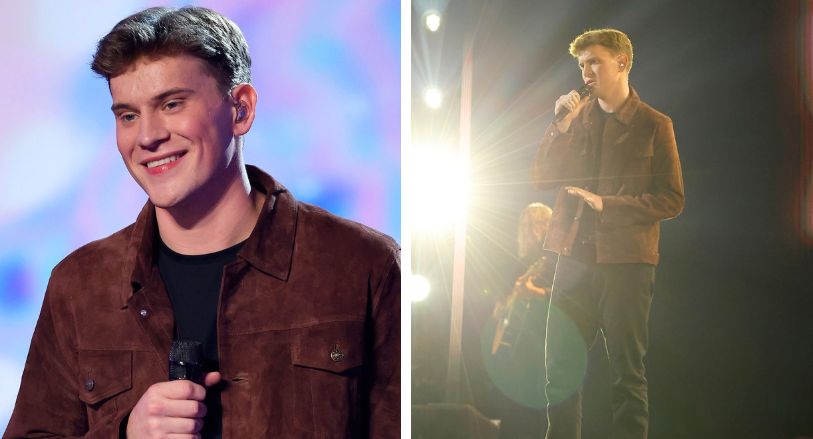
But Clarkson’s reaction to losing him was far from ordinary disappointment. She told Green that Henley could potentially deliver him a victory on The Voice.
It was a striking assessment, especially considering how little the coaches knew about Henley’s ability to handle the demands of a televised competition beyond that first audition.
The significance of Clarkson’s prediction becomes clearer when looking at Henley’s musical background.
Long before television cameras and celebrity coaches entered the picture, his singing experience came largely from church, family gatherings and a ministry operated by his grandparents at a truck stop.
His grandparents had reportedly been involved in that ministry for more than four decades, creating an environment where Henley could develop his voice through worship music rather than professional performances.
He also sang around campfires and in church settings, but those experiences were different from performing for a national television audience.
Henley acknowledged before his audition that he had never played a professional gig. His first major public performance would take place on one of the most recognisable singing competition stages in America.
That unusual beginning makes his journey compelling because he entered the competition without the extensive live-performance background that many aspiring musicians spend years developing.
There is something particularly interesting about a singer who learns his craft in relatively informal environments and then discovers that established artists recognise something exceptional in his voice.
Even Travis Tritt, whose song Henley selected for his audition, noticed the performance.
Tritt praised the teenager’s interpretation of “Anymore” on social media, complimenting both his vocals and the way he approached the song.
For an emerging country singer, receiving recognition from the artist behind his audition selection was another meaningful endorsement.
But praise during an audition is only the beginning of a competition like The Voice.
Contestants must demonstrate that they can deliver convincing performances repeatedly, adapt to different musical challenges and maintain their identity while receiving direction from coaches and producers.
Henley’s Battle Round provided another opportunity to demonstrate his abilities.
Performing Green’s “Don’t Mind If I Do,” he competed against Kenna Elpers and earned the victory that allowed him to continue on his coach’s team.
The choice of a song associated with Green also created an interesting challenge. Performing music connected directly to your coach means presenting your own interpretation while working with someone who understands the original material intimately.
Henley successfully advanced, but his next major performance would attract even stronger reactions.
During Cut Week, he performed Keith Whitley’s “Don’t Close Your Eyes,” a country classic that demands emotional sensitivity and a convincing connection to the song’s story.
Whitley’s distinctive vocal style has made his recordings an enduring influence in country music, and Green acknowledged the difficulty of approaching such a recognisable sound.
Rather than simply attempting to imitate Whitley, Henley impressed his coach by bringing his own vocal qualities to the performance.
Green’s reaction included a humorous compliment suggesting that if he could sing like Henley, he would become so successful that he would stop answering calls from fellow coach Adam Levine.
Behind the joke was a serious expression of admiration.
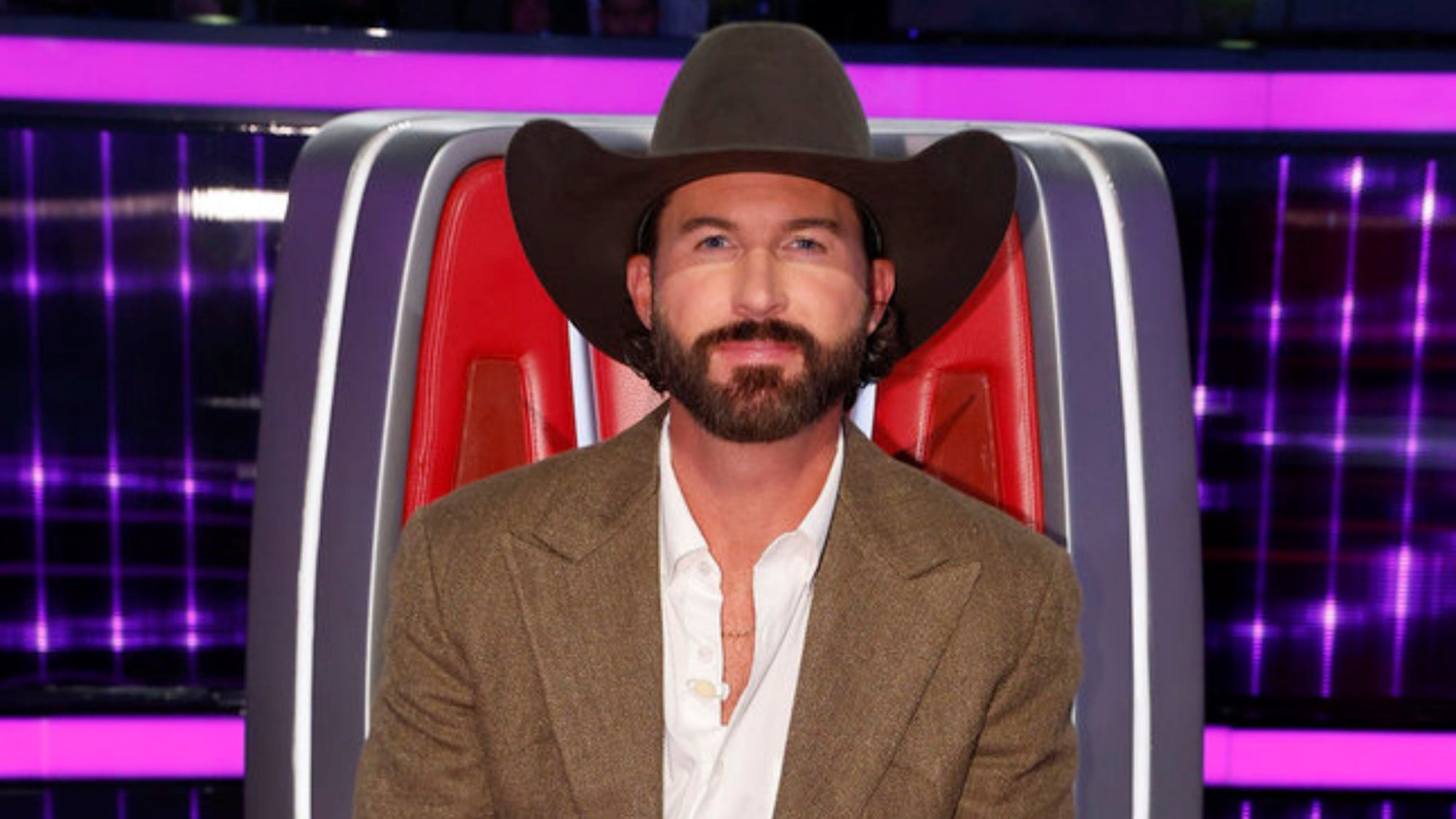
Green was praising a teenager who had entered the competition with almost no professional performance experience, yet was now handling songs associated with established country artists.
And Clarkson, despite no longer having the opportunity to coach him herself, remained enthusiastic about his potential.
Following his Cut Week performance, she praised the natural character of his voice, particularly the tone and style apparent from the opening notes.
She also suggested that she would be astonished if Henley failed to reach the finale.
That was an even stronger expression of confidence than her earlier suggestion that he could win the competition.
What makes Clarkson’s continued support noteworthy is that she had no competitive advantage in promoting Henley as a member of another coach’s team.
Her comments were an assessment of a singer whose abilities had impressed her from the beginning and continued to attract her attention as the competition progressed.
Of course, a coach’s prediction is not a guarantee of any result. The Voice involves audience voting, changing performance demands and competition from other talented contestants.

But Clarkson’s comments suggest that she recognised qualities in Henley’s singing that extended beyond one successful audition.
Those qualities became particularly relevant when Henley approached his first Live Show.
Rather than choosing a performance built entirely around vocal power, he sang Lee Ann Womack’s “I Hope You Dance,” another song with a strong connection to emotional storytelling.
The performance earned him a place in Dolly Parton Week, extending his journey into another important stage of the competition.
Green responded by praising Henley as one of the show’s most naturally talented contestants and highlighting how much he continued to improve.
That combination of natural ability and visible development is central to Henley’s appeal.
A singer can arrive with an impressive voice but struggle to develop beyond the qualities that initially attracted attention. Henley’s progression has given his coaches reasons to discuss both his existing talent and his capacity to grow.
There is also an important distinction between sounding like a traditional country singer and developing a distinctive identity within the genre.
Henley’s selections have consistently drawn from artists known for emotionally direct performances. Travis Tritt, Keith Whitley and Lee Ann Womack each represent different aspects of country music’s storytelling tradition.
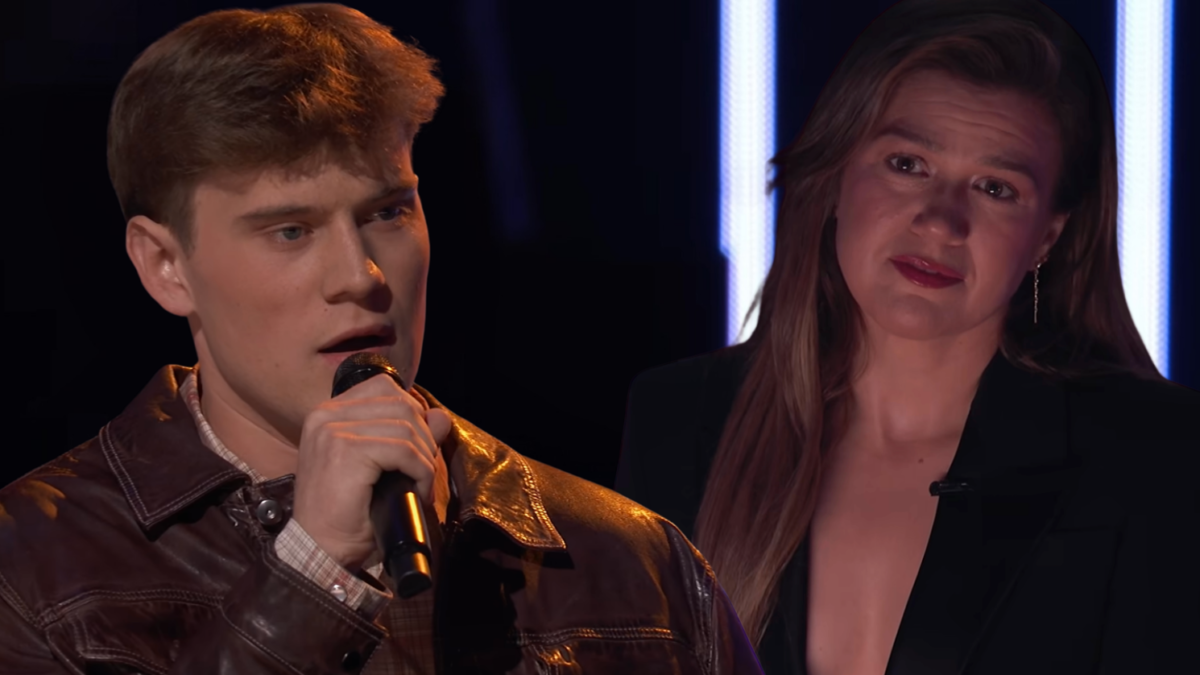
By working with that material, Henley has established a musical direction that feels coherent rather than constantly shifting to chase attention.
In my view, this consistency is one of the strongest reasons to take Clarkson’s prediction seriously.
Henley is not simply demonstrating that he can sing difficult songs. He is gradually showing what kind of artist he might become outside the competition.
That matters because success after a television talent show depends on much more than winning. Artists need a recognisable sound, material that suits their strengths and the ability to connect with listeners beyond the excitement of a televised performance.
Henley still has considerable experience to gain, and there is no certainty about what his career will look like after The Voice.
Yet his journey has already delivered something unusual: a teenager whose first professional-level performance attracted two coaches, whose country influences earned recognition from established musicians and whose progress convinced Kelly Clarkson that a place in the finale was within reach.
Whether Clarkson’s prediction ultimately proves correct remains to be seen. What makes Henley’s story worth following is the possibility that the qualities she recognised during his Blind Audition could become the foundation of something much bigger.
Do you think Kelly Clarkson recognised a future country star before everyone else, or does Joe Henley still need a defining performance to prove he deserves to win The Voice?