Lionel Richie has spent more than five decades making audiences sing, dance, and fall in love with music. But as the 77-year-old superstar returns to performing following a heart procedure, another important chapter of his career is approaching — his return to American Idol, where a new generation of aspiring singers will once again look to him for guidance.
For viewers who know Richie as the warm, encouraging presence behind the American Idol judges’ desk, his recent health challenges have added a deeply personal dimension to his upcoming television comeback. His return to the Las Vegas stage on November 11 was an encouraging development, but it also highlighted just how much the legendary performer continues to balance.
Richie is not simply a veteran singer occasionally appearing on television. He remains an active performer, a Las Vegas headliner, and a mentor to young artists who are hoping to build careers of their own. Maintaining those responsibilities requires considerable commitment, particularly after a period of medical treatment and cancelled performances.
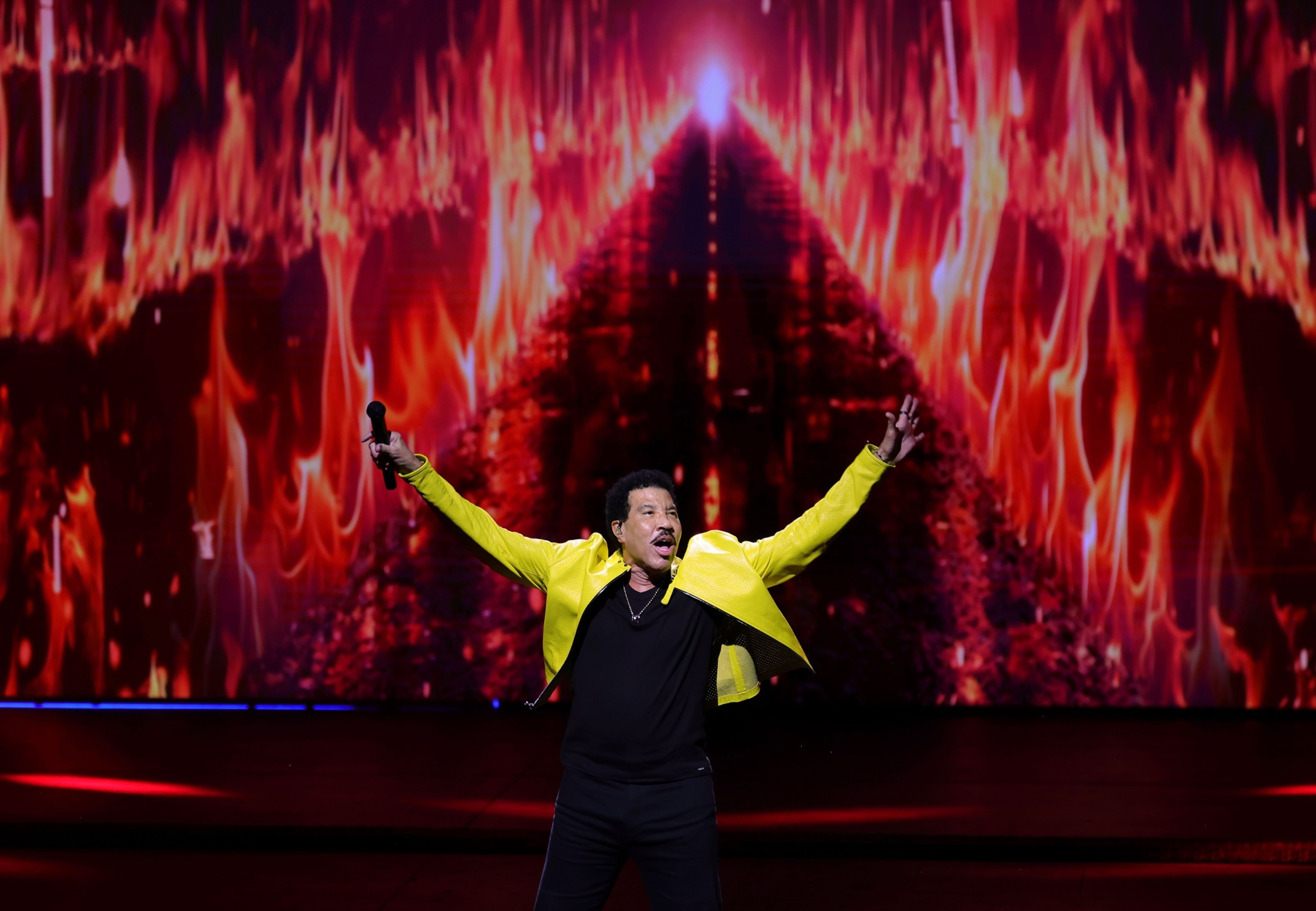
His first concert since undergoing a procedure for atrial fibrillation in September offered an opportunity to reconnect with the audience that has supported him for decades. Returning to the Encore Theater at Wynn Las Vegas, Richie was greeted by enthusiastic concertgoers as he resumed his King of Hearts residency.
The singer wasted little time acknowledging his absence. With his familiar humour, he announced that he was back, joking about not knowing where he had been. It was a lighthearted opening following months in which his health had become a serious concern.
More importantly, Richie took time to thank the people who had been worried about him. He reassured the audience that he was doing well and expressed appreciation for their concern.
Those remarks carried particular significance because his return followed several interruptions to his performing schedule. In June, Richie experienced dizziness during a concert in St. Paul, Minnesota, leading to a hospital visit and the postponement of two performances.
Another difficult incident followed in August when he struggled to complete a concert in St. Louis, Missouri. He was subsequently hospitalised and underwent medical assessments over several days.

In September, his representative confirmed that Richie had received treatment for atrial fibrillation, commonly known as AFib. The condition involves an irregular heart rhythm and can be associated with symptoms including fatigue, dizziness, and shortness of breath.
According to the statement released at the time, the procedure went well, and Richie was expected to take time away from performing before returning to the stage.
That break also affected his professional commitments. Three scheduled performances with Earth, Wind & Fire were cancelled, leaving audiences waiting for news about when the singer might resume his concert schedule.
His November return therefore represented more than another date on a residency calendar. It was the first public performance following the September procedure and an opportunity for Richie to address concerned supporters directly.
Yet beyond the concerts, his return also brings renewed attention to another major commitment: American Idol.
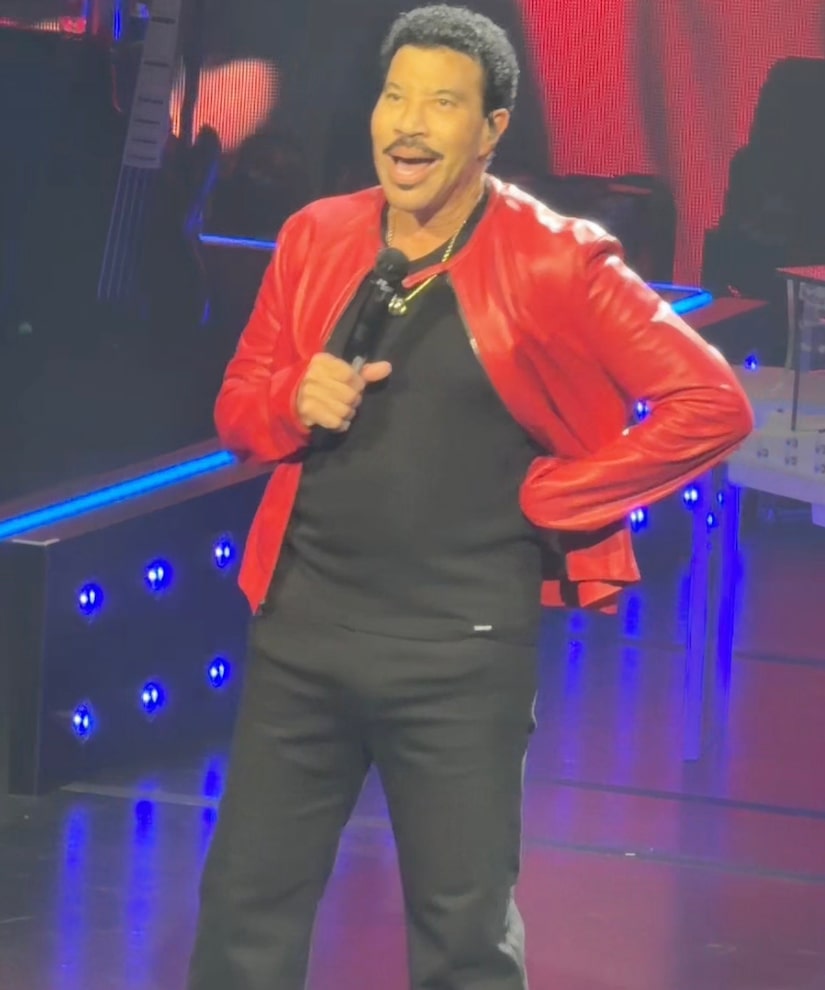
Richie is expected to rejoin Carrie Underwood and Luke Bryan when the singing competition returns for Season 25 on February 8, 2027. Ryan Seacrest is also scheduled to return as host, maintaining the familiar combination of personalities that viewers have come to associate with the programme.
For Richie, the show occupies a distinctive place in his career. He is not competing for chart positions or trying to establish himself as an artist. Instead, he brings decades of experience to contestants who are only beginning to understand what a professional music career might involve.
That experience stretches back to his success with the Commodores and his subsequent solo career, which produced some of the most recognisable songs in popular music.
His catalogue includes enduring favourites such as “Hello,” “All Night Long (All Night),” and “Endless Love,” his celebrated duet with Diana Ross. His involvement in the charity single “We Are the World” also remains an important part of his musical legacy.
With more than 100 million records sold worldwide and four Grammy Awards, Richie has achieved a level of commercial success that few aspiring singers will ever experience.
But his value on American Idol goes beyond impressive statistics.
One of the central challenges facing contestants is learning how to turn vocal ability into a lasting career. Singing well during an audition is only the beginning. Artists must develop an identity, connect with audiences, interpret songs convincingly, and make decisions about the direction of their music.
Richie has experienced those challenges from the perspective of someone who built a career long before televised singing competitions and social media became major routes to recognition.
That makes his guidance particularly relevant in an industry where aspiring performers can attract attention quickly but may struggle to sustain it.
A memorable audition can introduce a contestant to millions of viewers overnight. Maintaining that audience requires something different: musical consistency, professional discipline, and an understanding of what makes an artist distinctive.
Richie’s own career provides an example of longevity across changing musical eras. He achieved success with a group, established himself as a solo performer, and continued appearing before new audiences through television and live performances.
For contestants, that history offers a perspective that cannot be gained simply by studying vocal technique.
It also creates an interesting contrast between Richie and his fellow judges.

Luke Bryan brings the experience of a major contemporary country music career, while Carrie Underwood understands the American Idol journey from the unique position of someone who won the competition before becoming an established recording artist.
Richie represents another perspective: a musician whose professional journey began long before the programme existed and whose catalogue has remained familiar across generations.
Together, those different backgrounds provide contestants with advice shaped by distinct experiences in the music business.
As the new season approaches, Richie’s return will naturally attract attention because of the health difficulties he experienced earlier in the year. However, it is important not to confuse his return to performing with confirmation that every aspect of his health has been resolved.
His public reassurance and successful return to the stage are encouraging developments, but the details of his ongoing medical care remain private.
What can be said is that Richie has resumed performing and is expected to return to his television responsibilities next year.
His upcoming schedule includes further Las Vegas performances on November 13 and 14, followed by additional residency dates on January 8 and 9, 2027.
Those January concerts are scheduled just weeks before the American Idol premiere, placing his live performances and television commitments relatively close together.
Whether Richie will make any adjustments to his longer-term professional schedule has not been publicly established.
For audiences, the more interesting question may be what his continued presence means for the future of American Idol.
Singing competitions frequently introduce new judges, change formats, and experiment with different combinations of personalities. Yet experienced figures can provide continuity, particularly when viewers have developed a connection with the people evaluating contestants.
Richie’s personality has become part of the programme’s appeal. His musical achievements give him authority, while his approachable manner helps make the competition feel less intimidating for performers facing one of the biggest auditions of their lives.
There is also something meaningful about an artist who has already achieved extraordinary success choosing to spend time encouraging people at the very beginning of their careers.
Richie could focus entirely on performing his own music and celebrating his legacy. Instead, he continues to participate in a programme built around discovering the next generation of talent.
In my view, that mentoring role deserves as much recognition as his continued success as a live performer. His greatest contribution to American Idol may not be a particular judging decision, but the perspective he offers young singers who have yet to experience the realities of the music industry.
His return after medical treatment also serves as a reminder that even legendary entertainers must navigate personal challenges alongside their professional ambitions.
The coming months will reveal more about how Richie approaches his concert commitments and his next season behind the judges’ desk. For now, his Las Vegas appearance has given supporters an opportunity to welcome him back and hear directly from the singer himself.
After more than 50 years in music, Lionel Richie is still finding ways to connect with audiences, whether through the songs that made him famous or the encouragement he offers aspiring performers.
And as American Idol prepares for another season, one question remains particularly interesting: is Lionel Richie’s greatest contribution today still the music he performs, or the young artists he helps discover?