Riley Green has spent years building a reputation as one of country music’s recognizable modern stars, but his latest career move is putting him in a position he once might never have imagined: deciding which aspiring singers have what it takes to make it in the music business.
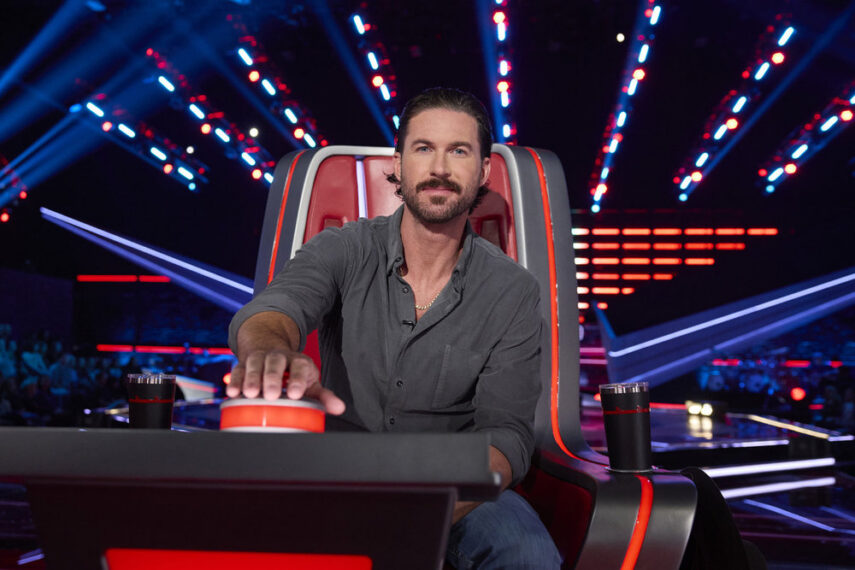
The Alabama native is no longer just performing for audiences or releasing songs of his own. He has stepped into the famous red chair on NBC’s The Voice, joining an impressive coaching lineup that includes Kelly Clarkson, Adam Levine, and Queen Latifah. And while his country music background might seem like his biggest advantage, something Green recently revealed about his own musical journey could be even more important to the contestants hoping to earn his approval.

Season 30 marks Green’s first appearance as a full-time coach on the competition, which returned September 21, 2026, for its milestone 30th season. The appointment represents a significant new chapter for the singer, who has spent much of his career establishing himself through touring, songwriting, and connecting with country audiences.
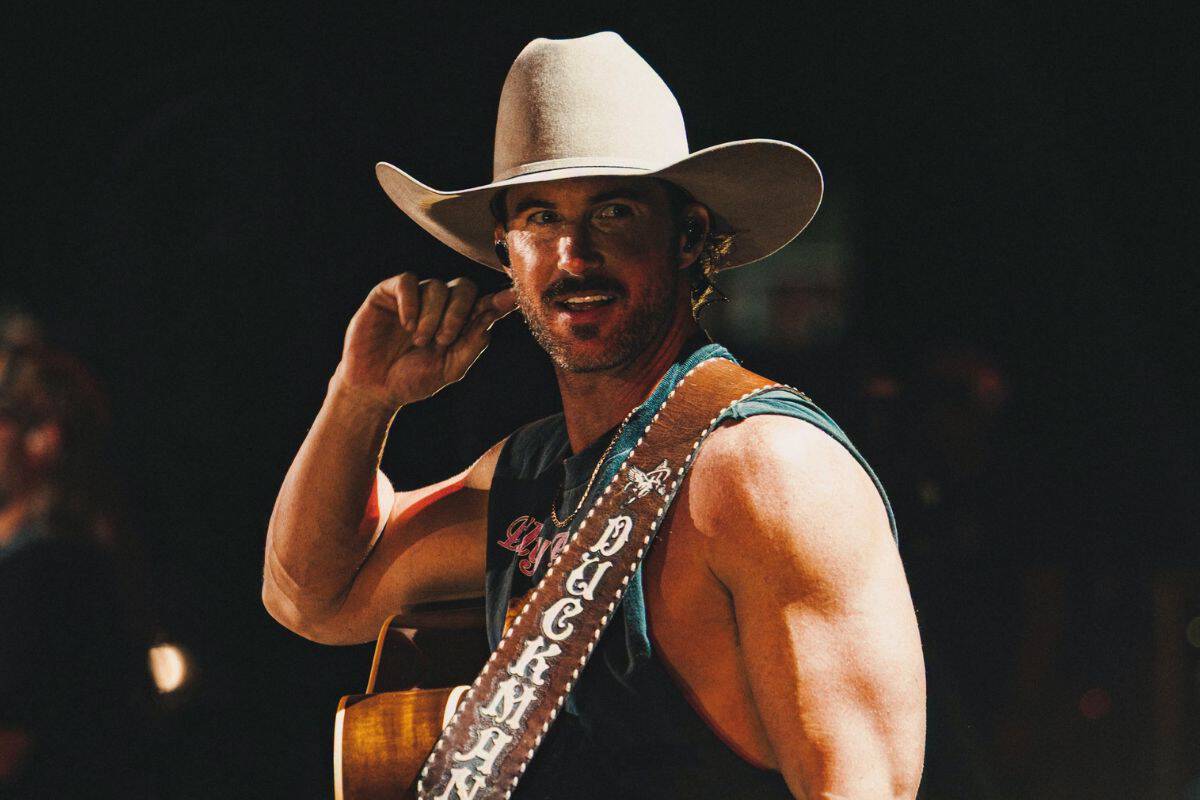
But Green’s approach to coaching appears to be shaped by something many viewers might not expect. He understands what it feels like to question whether his own voice is good enough.
In an October interview with Billboard, Green reflected on the years he spent developing confidence as a performer. He explained that there was a time when he did not particularly like hearing his own voice and genuinely wondered whether he had the vocal ability to succeed.
That experience gives him an interesting perspective when he sits across from contestants who are still trying to discover their identities as singers. Rather than simply evaluating whether somebody can deliver an impressive performance, Green recognizes that confidence can take years to develop.
He pointed out that many aspiring artists have not yet experienced the kind of demanding performance schedule that helps musicians become comfortable onstage. Green has spent years playing shows and learning how to connect with audiences, and he believes that experience can help him recognize qualities in contestants they might not even recognize in themselves.
It is an approach that could make his team particularly interesting this season.
Green explained that he hopes to identify what each contestant does especially well and encourage them to build on those strengths. For someone who once doubted his own singing ability, the opportunity to help another artist overcome similar uncertainty could be especially meaningful.
And he will not be doing it alone.
When it came time to select someone to help guide his contestants, Green turned to a familiar country music collaborator: Carly Pearce.
The choice was not simply about bringing another recognizable country artist onto the show. Green had admired Pearce long before his own career reached its current level, and their professional relationship had already given him an opportunity to see how she approaches music from a creative perspective.
Pearce joined Team Riley as a Battle Advisor during Season 30, bringing her own experience as a successful country performer to the competition. She previously worked as a playoff advisor for Michael Bublé’s team in 2024, so she was already familiar with the challenge of helping contestants navigate the pressure of a televised singing competition.
Green explained that Pearce was an obvious choice when he started thinking about who could offer his team something valuable. Their connection also extends beyond television, thanks to their collaboration on the duet “If I Don’t Leave, I’m Gonna Stay.”
Interestingly, Green admitted that recording the song pushed him outside his usual musical comfort zone.
The track required a different approach to phrasing and harmonies than he would naturally have chosen. He recalled that the original demo reminded him of the musical style associated with Charles Kelley and Ryan Hurd, making the recording experience a little different from what he was accustomed to.
That experience gave him an opportunity to learn from Pearce firsthand. He could see how she approached the material, how she thought about the arrangement, and how a collaborator could help bring out something unexpected in another artist.
Now, that same creative relationship is being brought into the world of The Voice.
Pearce has described her mentoring philosophy as helping singers identify what makes them unique rather than trying to turn everyone into the same kind of performer. She believes contestants need constructive criticism, but they also need encouragement that allows their individual strengths to develop.
That philosophy appears to line up closely with Green’s own thinking. Both artists understand that becoming a successful performer involves more than simply hitting the right notes during a competition. Finding an authentic sound, developing confidence, and learning how to communicate with an audience are all important parts of building a lasting career.
There is another interesting reason why Green’s arrival on the show could bring a different dynamic to the coaching panel.
Unlike some coaches who have spent years working in television competitions, Green is approaching the experience as someone whose career has primarily been built on the country music touring circuit.
He has experienced the realities of performing night after night, connecting with fans in different cities, and gradually building a loyal audience. That perspective could be particularly useful for contestants who are hoping to turn their television exposure into something lasting.
His own career has not followed a traditional path into entertainment, either.
Before becoming a country music star, Green worked in construction and began developing his songwriting and performing career through opportunities outside the conventional television talent-show route. His rise has been built around country storytelling and the kind of live performances that helped him develop his identity as an artist.
He has since expanded into acting, making his scripted television debut as Garrett in CBS’s Marshals, the Yellowstone spin-off. He has also continued releasing music and touring, adding even more responsibilities to an already demanding professional schedule.
The combination of those experiences gives him a perspective that extends beyond the traditional role of a singing competition judge.
Green knows that a contestant can deliver an impressive audition and still have a long way to go before becoming a confident, established performer. He also knows that sometimes an artist’s most distinctive quality is not immediately obvious.
That could be particularly important as the competition moves beyond the Blind Auditions and contestants begin facing more difficult decisions about their song choices, arrangements, and individual performance styles.
Having Pearce alongside him could also help Green navigate those moments. Their different experiences, combined with their shared understanding of country music, offer the potential for a coaching partnership that feels more like a collaborative creative team than a traditional judge-and-advisor arrangement.
Of course, joining The Voice is also a major test for Green himself. Coaching aspiring singers requires a different set of skills from performing in front of thousands of concertgoers. Instead of focusing on his own delivery, he has to understand what another artist needs and find a way to communicate that advice effectively.
But perhaps his greatest advantage is that he remembers what it felt like to be uncertain about his own abilities.
There is something refreshing about a successful artist who does not pretend that confidence came naturally or that every step toward success was easy. Green’s willingness to acknowledge those earlier doubts could make his advice more relatable to contestants who are still trying to find their footing.
And while it is too early to know whether he will eventually lead his team to a championship, his first season already offers an opportunity to show viewers a different side of his personality and musical knowledge.
For country music fans, watching Green develop into a mentor could be just as interesting as seeing him perform his own songs. The bigger question is whether his experience, combined with Pearce’s guidance, can help an overlooked contestant become the next breakout voice.
Do you think Riley Green has what it takes to become one of The Voice’s most memorable coaches, or will his biggest strength be helping contestants discover confidence they never knew they had?