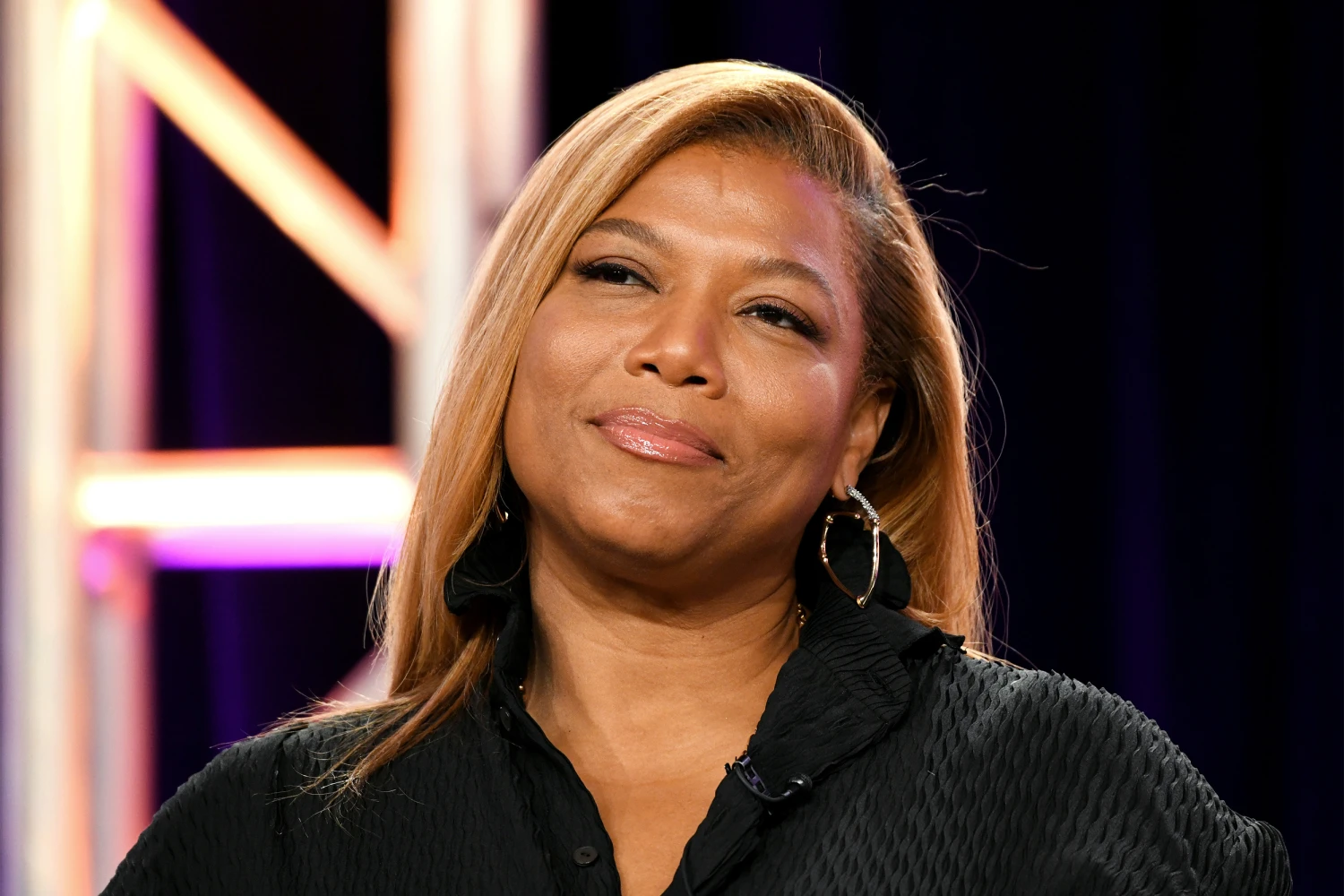
At 61, Kyle Davis is competing on The Voice against singers who are decades younger, but his latest performance offered a powerful reminder that a musical dream does not come with an expiration date. When Davis stepped onto the Battle Round stage with fellow Team Kelly contestant Matthew Chiu, he did more than take on a Phil Collins classic—he gave viewers another reason to question whether age should matter when a singer’s talent still has the power to move people.
The two contestants performed Collins’ “Take Me Home” after Kelly Clarkson paired them for a showdown that tested their very different vocal styles. Chiu brought impressive range and the ability to rise to a demanding arrangement, while Davis offered a retro musical character that immediately appealed to his coach. By the end, Clarkson had to make a difficult decision, ultimately choosing Davis to advance.

The result was significant for Davis, who entered Season 30 as its oldest contestant. His journey is about more than surviving another round of a televised singing competition. He has openly described the opportunity as a chance to show people that musical ability does not disappear simply because someone reaches a certain age.
That message gives his performances a different kind of emotional weight. Many contestants arrive on shows like The Voice hoping to launch a career, gain recognition, or turn years of practice into a breakthrough. Davis is also pursuing those ambitions, but his presence challenges the familiar idea that the biggest opportunities must come early in life.

For him, competing at 61 is an opportunity to demonstrate that artistic ambition can remain meaningful long after the age at which people are typically expected to establish themselves professionally. His determination is not based on pretending that age makes no difference in life; it is about refusing to treat age as a reason to stop trying.
Davis had already communicated that outlook during his Blind Audition, when he spoke about receiving another opportunity at a later stage of his music career. His message was straightforward: people should continue chasing their dreams rather than assuming that their chance has passed. The Battle Round gave him another opportunity to put that belief into practice.
Clarkson’s song choice created an interesting test because “Take Me Home” leaves room for singers to demonstrate personality as well as vocal ability. Rather than simply rewarding the biggest notes, the song requires performers to connect with its mood and make their interpretation feel convincing. Pairing Davis and Chiu meant that the coach could compare two different approaches to the same material.
Before the performance, Clarkson praised Davis’ retro style while recognizing Chiu’s impressive range. Team advisor Ariana DeBose also praised Chiu for rising to the challenge of facing a singer who had earned a four-chair turn during the Blind Auditions. Both artists had qualities worth developing, which made the pairing difficult from the beginning.
Once they took the stage, the contrast became even clearer. Adam Levine was impressed by Chiu’s improvement since the Blind Auditions, but he also singled out Davis as one of his favorite contestants. Levine explained that Davis’ performance connected with him emotionally, highlighting an element of singing that cannot always be measured by vocal range or technical precision alone.
Queen Latifah also praised Davis’ delivery, describing it as strong, bold, and powerful. However, she leaned toward Chiu, believing he had done more with the performance onstage. Her assessment demonstrated how differently experienced performers and coaches can evaluate the same musical moment.
One listener might be drawn to the singer who takes the greatest vocal risks, while another may prefer the performer whose delivery feels natural and emotionally convincing. In a Battle Round, both approaches can be legitimate, and there is rarely a single formula for determining who deserves to advance.
Clarkson understood the difficulty of the decision. She admitted that the contestants had made the Battle particularly challenging and praised Davis for the timeless quality of his voice. Her comparison to the experience of listening to vinyl was especially telling: she heard something in his vocal character that connected with her personal musical taste.
That praise was not a dismissal of Chiu’s abilities. Clarkson also reacted to his performance with admiration, making clear that he had given her a serious challenge. Ultimately, though, she chose Davis, describing the matchup as her hardest Battle yet.
The decision represents another opportunity for the 61-year-old singer to show what he can do as the competition progresses. It also reinforces the idea that contestants do not all need to offer the same qualities to make an impression. A distinctive voice, a strong musical identity, and the ability to make a song feel personal can be just as important as delivering a technically ambitious performance.
Still, Davis’ story should not be reduced to a simple age-versus-youth narrative. Chiu is a singer with his own strengths, and his improvement earned recognition from the coaches. The two contestants were competing in the same round, and the decision ultimately came down to which artist Clarkson wanted to keep on her team.
That distinction matters because older contestants deserve to be evaluated as artists, not simply celebrated as inspirational exceptions. Davis has a musical style that appeals to his coach, and his performance made an impression on Levine and Queen Latifah as well. His age gives his journey a compelling context, but his singing is what allowed him to advance.
There is also something encouraging about seeing a contestant pursue a goal without pretending that the road has been straightforward. Many people put aside creative ambitions because of work, family responsibilities, financial pressures, or the belief that opportunities eventually disappear. Davis’ appearance on a nationally televised competition provides a visible counterexample: a person can continue working toward a dream even when the conventional timeline suggests it should already be behind them.
Whether he ultimately reaches the live shows or goes further remains uncertain. The competition will continue to demand strong performances, and every round will bring new challenges. But Davis has already shown that he can earn a place in the conversation through his musical personality and the connection his performances create.
In my view, the most meaningful part of Davis’ journey is not that a 61-year-old singer managed to beat a younger competitor. It is that he has demonstrated why age should not be used as a shortcut for judging an artist’s potential. His victory gives him another chance to compete, while his message may resonate with people who have their own ambitions waiting to be pursued.
Now the question is whether Davis can continue building on this momentum as The Voice moves forward. Do you think his timeless vocal style gives him an advantage in the competition, or will younger singers with different strengths prove more difficult to beat? And has his journey inspired you to believe that it really is never too late to chase a dream?