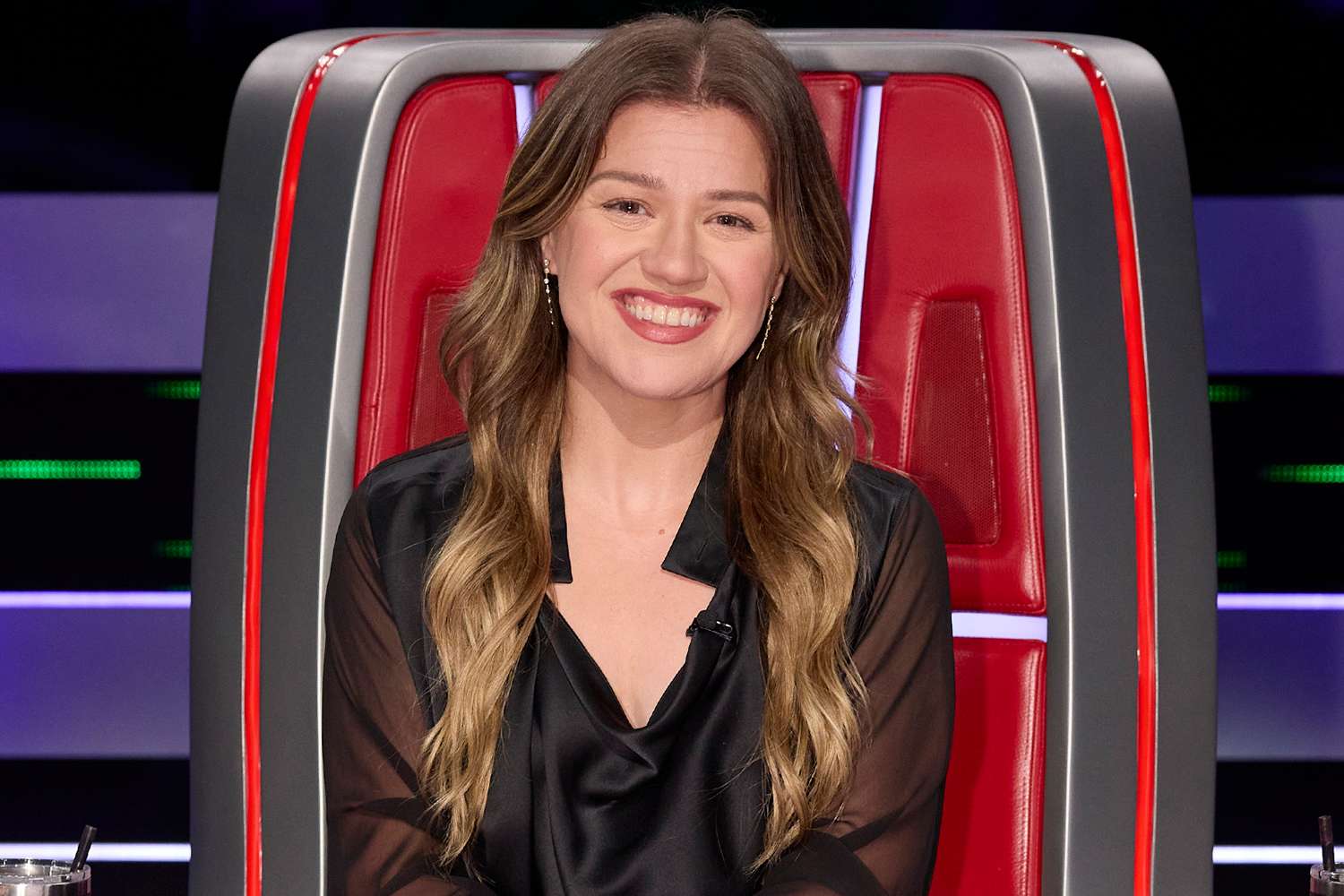
Winning The Voice has always been a life-changing moment, but Season 30 is offering its eventual champion something that could make the victory even more meaningful. Instead of ending the journey with a television trophy and the excitement of a competition win, this season’s winner will receive an opportunity to perform on one of America’s major music festival stages. And that decision could signal a much bigger change in what the NBC singing competition wants to accomplish for its contestants.
For the milestone 30th season, The Voice has partnered with Live Nation Studios and the Governors Ball Music Festival to give the winning artist a performance slot on the festival’s main stage in 2027. It is a first-of-its-kind opportunity for the show, giving an emerging singer a chance to introduce their music to a much larger live audience beyond the television competition.
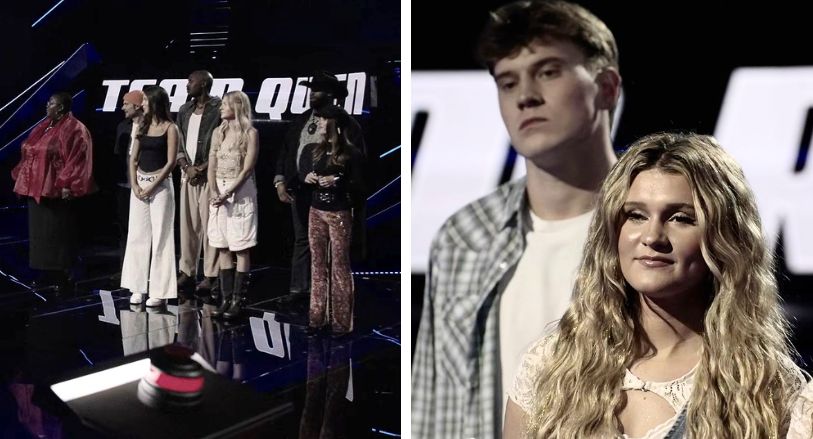
The announcement is particularly interesting because it addresses one of the biggest questions surrounding singing competitions: What happens after the cameras stop rolling?
Over the years, The Voice has introduced audiences to countless talented performers. Contestants have received national exposure, worked with established musicians, and experienced the kind of television platform that many aspiring singers spend years trying to reach. But turning that attention into a sustainable music career is an entirely different challenge.
Season 30 appears determined to make that next step part of the competition itself.
The Governors Ball opportunity gives the winner something that cannot be recreated inside the familiar red-chair environment. Performing on a major festival stage means connecting with people who may have never watched The Voice, never followed the contestant’s journey, and might be discovering the artist for the very first time.
That kind of exposure could be valuable for a performer trying to establish an identity outside reality television. A competition can introduce an artist to millions of viewers, but a live festival performance offers another opportunity to demonstrate what they can do as a musician in front of a different audience.
The partnership was announced in June by Live Nation Studios and the Governors Ball organizers. The festival takes place in New York City at Flushing Meadows Corona Park and features performers from several musical genres, including pop, rock, hip-hop, electronic music, and emerging artists.
That variety makes the opportunity particularly interesting. The Voice does not exclusively produce country singers, pop vocalists, or artists from one musical background. Its contestants come from different genres, age groups, and performance traditions. Whoever wins Season 30 will have to find a way to translate their individual musical identity into a performance that connects with a diverse festival crowd.
It is also a significant development for the show’s executive producer and showrunner, Audrey Morrissey, who has spoken about how dramatically the music industry has changed since The Voice first premiered.
In a September interview with TheWrap, Morrissey explained that the traditional path for introducing new artists used to revolve heavily around securing a record deal. However, the business has evolved, and artists now face a very different landscape. Streaming, digital platforms, and live performances have transformed how musicians build audiences and pursue careers.
That perspective helps explain why the Governors Ball partnership matters beyond its headline-grabbing appeal.
A television victory can create instant recognition, but an artist still needs opportunities to develop a relationship with listeners. Performing live, connecting with audiences, and building a following outside the show are important parts of that process.
The Voice is effectively extending its promise to contestants by creating another stage for its winner after the competition ends.
Interestingly, the festival opportunity is not the only major change arriving during Season 30. NBC has also introduced several adjustments designed to bring viewers closer to the competition and give contestants more opportunities to connect with potential fans.
One of the most notable additions involves TikTok.
For the first time, viewers can use the social media platform as an official voting method during the Live Shows. Instead of relying exclusively on traditional television voting, fans can support their favorite artists through the show’s official TikTok voting posts. Text-message voting is also available.
This is an especially interesting move for a competition built around discovering new musical talent. Social media has become an important part of how emerging singers reach listeners, share performances, and develop their identities. By bringing TikTok directly into the voting process, The Voice is acknowledging that its audience does not necessarily experience music through traditional television alone.
The show’s partnership with TikTok extends beyond voting, too. NBC has announced plans for creator involvement, behind-the-scenes access, companion broadcasts, and a dedicated TikTok-themed episode during the live competition. The partnership will also recognize the artist whose content receives the most sharing on the platform.
In other words, Season 30 is trying to make the contestants part of a broader entertainment experience rather than limiting their exposure to the performances shown during weekly episodes.
There is another important change that could make the final stretch of the competition more exciting. The Live Shows will be simulcast on NBC and Peacock across all time zones for the first time in the network’s entertainment programming history. Results will also be announced on the same night as the performances, bringing viewers closer to the outcome instead of making them wait for a separate results episode.
The season will feature six weeks of live performances, including themed episodes celebrating Dolly Parton, Y2K music, and TikTok. According to Morrissey, the extended live-show run also reflects something viewers have requested. She described the six-week stretch as the longest run of live shows in five years.
All these adjustments point toward a competition that is thinking beyond the traditional format.
Of course, none of these opportunities guarantees that the eventual winner will become a household name or establish a successful recording career. A major festival appearance is a valuable platform, not a promise of long-term success. The artist will still need the right material, a recognizable musical identity, and the ability to turn new listeners into dedicated fans.
But providing that opportunity is an encouraging step.
For contestants entering the final stages of Season 30, the possibility of performing at Governors Ball gives the competition another layer of meaning. They are not simply fighting to become the next champion. They are competing for an opportunity to take their music somewhere the television cameras cannot follow.
And that could make this particular season especially memorable.
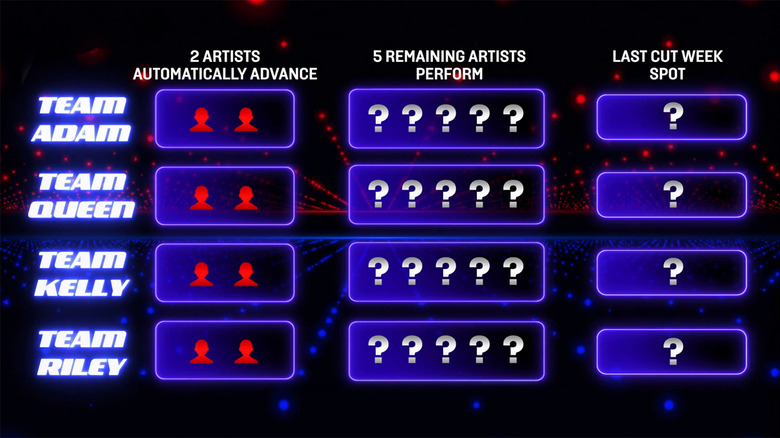
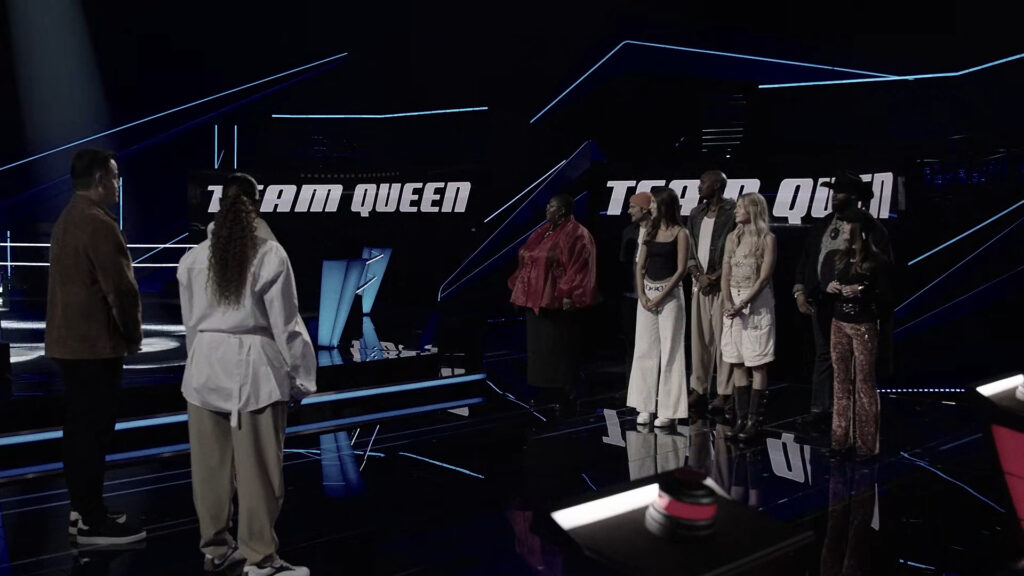
With Kelly Clarkson, Adam Levine, Queen Latifah, and Riley Green coaching the remaining artists, the show has assembled a panel that brings different musical backgrounds and industry experiences to the competition. But the biggest story may ultimately belong to the contestant who manages to turn their television breakthrough into a genuine live-music opportunity.
In my view, the Governors Ball partnership is one of the most meaningful developments The Voice has introduced in recent years. The trophy may represent the achievement, but the chance to perform at a major festival gives the winner something tangible to pursue after the celebration ends.
Now the interesting question is whether this opportunity will help the Season 30 champion build a lasting career beyond the show. And which of the remaining artists has the personality, musical identity, and stage presence to make the most of that opportunity?