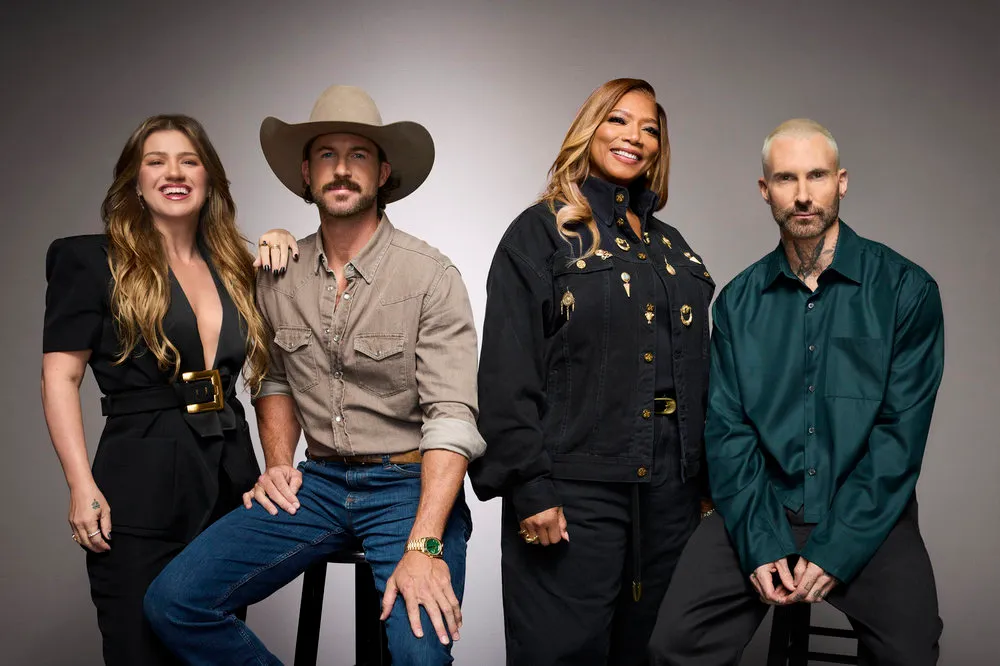
The Voice has reached a point in Season 30 where simply delivering a great performance may no longer be enough to keep a contestant’s dream alive. Twenty-eight artists have survived the Battle Rounds, but only 13 will earn a place in the upcoming Live Shows. That means 15 singers are about to see their journeys end in what NBC is calling the biggest elimination in the show’s history.
The dramatic new stage, known as Cut Week, represents a major departure from the familiar competition format. Instead of moving through the traditional Knockouts and Playoffs, contestants are facing a much shorter path to the Live Shows, with coaches making some of the most consequential decisions of the season.
And the biggest question is whether the artists who have consistently impressed their coaches will actually receive the opportunity to continue.

Following the conclusion of the Battles, Kelly Clarkson, Adam Levine, Queen Latifah, and Riley Green each have seven contestants remaining on their teams. Those seven artists include six Battle winners and one contestant rescued through a Steal. However, having survived the previous rounds does not guarantee anybody a place in the next stage.
Each coach must select two artists to advance directly to the Live Shows. That leaves five contestants on every team competing for just one additional position. The coach will ultimately choose the winner of that five-person competition, reducing each team to three artists.
But there is another opportunity for those who do not receive their coach’s final selection. America will have the power to vote one additional contestant into the Live Shows, creating a Top 13.
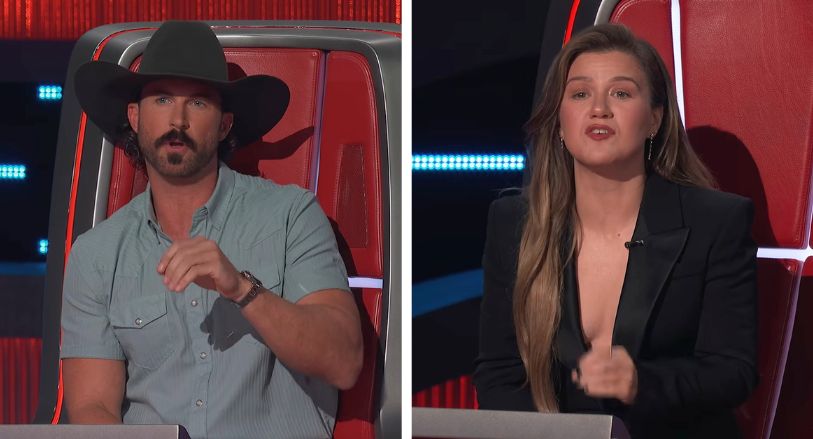
It is an unusual arrangement because contestants will be fighting for their futures on two different levels. Some will depend entirely on their coach’s judgment, while others could need the support of viewers to keep their competition alive.
The mathematics alone make the situation difficult. Of the 28 artists entering Cut Week, only 13 will move forward. Even singers who have delivered impressive performances throughout the season could find themselves eliminated before the live voting stage begins.
That is what makes this format particularly interesting. Previous seasons gave contestants additional opportunities to demonstrate their abilities through multiple competition rounds. Season 30 has compressed that journey, meaning the margin for error is considerably smaller.
For the coaches, the challenge may be even more complicated.
Kelly Clarkson, Adam Levine, Queen Latifah, and Riley Green have spent weeks developing their teams, choosing artists whose voices and musical identities they believe can compete for the championship. Now they must decide which singers have the strongest potential to succeed in front of a live television audience.
Those decisions are not necessarily as simple as choosing the contestant with the biggest voice.
A singer might deliver technically impressive performances but struggle to establish a distinctive identity. Another artist might have a less polished approach but possess the personality, emotional connection, and musical character that make audiences remember them.
That is particularly important as the competition moves toward the Live Shows, where contestants will need to connect with viewers rather than simply impress a panel of coaches.
The four teams also bring different musical perspectives to the decision-making process. Riley Green has a strong connection to country music, while Kelly Clarkson brings extensive experience as both a recording artist and a television coach. Adam Levine has spent years performing with Maroon 5, and Queen Latifah brings a background that spans music, acting, and entertainment.
Their different experiences could make the selection process especially interesting because each coach may have a different idea of what makes an artist ready for the next stage.
The format also creates an intriguing situation for contestants who have already received a Steal. Those artists were previously given another opportunity after losing their Battles, but their second chance does not come with guaranteed protection. They must still compete for one of the available places on their new teams.
In other words, surviving elimination once does not necessarily make the road ahead any easier.
There is also a major change coming for viewers once the Live Shows begin. This season, The Voice is moving toward a more immediate voting experience, with performances and elimination results happening during the same broadcast. Executive producer Audrey Morrissey described the approach as real-time voting, meaning viewers will not have to wait for a separate results episode to discover which contestants are advancing.

The show is also introducing TikTok as an official voting platform alongside text-message voting. That gives contestants another way to connect with viewers and potentially attract support beyond the traditional television audience.
This could become particularly important for artists who have developed strong online followings or whose performances connect with younger viewers. However, online popularity and live-show performance ability are not necessarily the same thing. A contestant still needs to deliver when the pressure is highest.
The upcoming schedule gives the competition very little time to settle down. Cut Week airs Monday, November 2, in a two-hour NBC broadcast beginning at 9 p.m. ET. The Live Shows then begin November 9, with the season finale scheduled for December 14.
There is another reason this season feels different. The producers have deliberately created a longer Live Show period, with six weeks of performances planned before the champion is crowned. That means the contestants who survive Cut Week will have a substantial opportunity to establish themselves with viewers.
For the singers who make it through, that could be an enormous advantage. They will have more opportunities to develop their stage presence, demonstrate their versatility, and build the kind of audience connection that can make a difference when viewers begin deciding who deserves to win.
But for those who do not advance, the disappointment could be particularly difficult because the competition is ending just as the most important stage is beginning.
Personally, the most interesting aspect of Cut Week is the balance between coaching decisions and public opinion. Coaches have spent the entire season working with these artists, so their judgment deserves considerable weight. At the same time, viewers may recognize something in a contestant that a coach overlooks. Giving America an additional opportunity to save someone creates room for an unexpected breakthrough.

It also raises a fascinating question: Should a contestant’s entire journey be judged by one performance, or should coaches consider everything that artist has demonstrated throughout the competition?
With 28 artists competing for only 13 places, Season 30 is about to deliver some difficult decisions. And while familiar favorites may appear to have an advantage, this new format leaves plenty of room for surprises.
Which coach do you think will make the toughest decisions during Cut Week, and should the artists receive more opportunities before facing elimination? The next stage could completely change the direction of the competition.