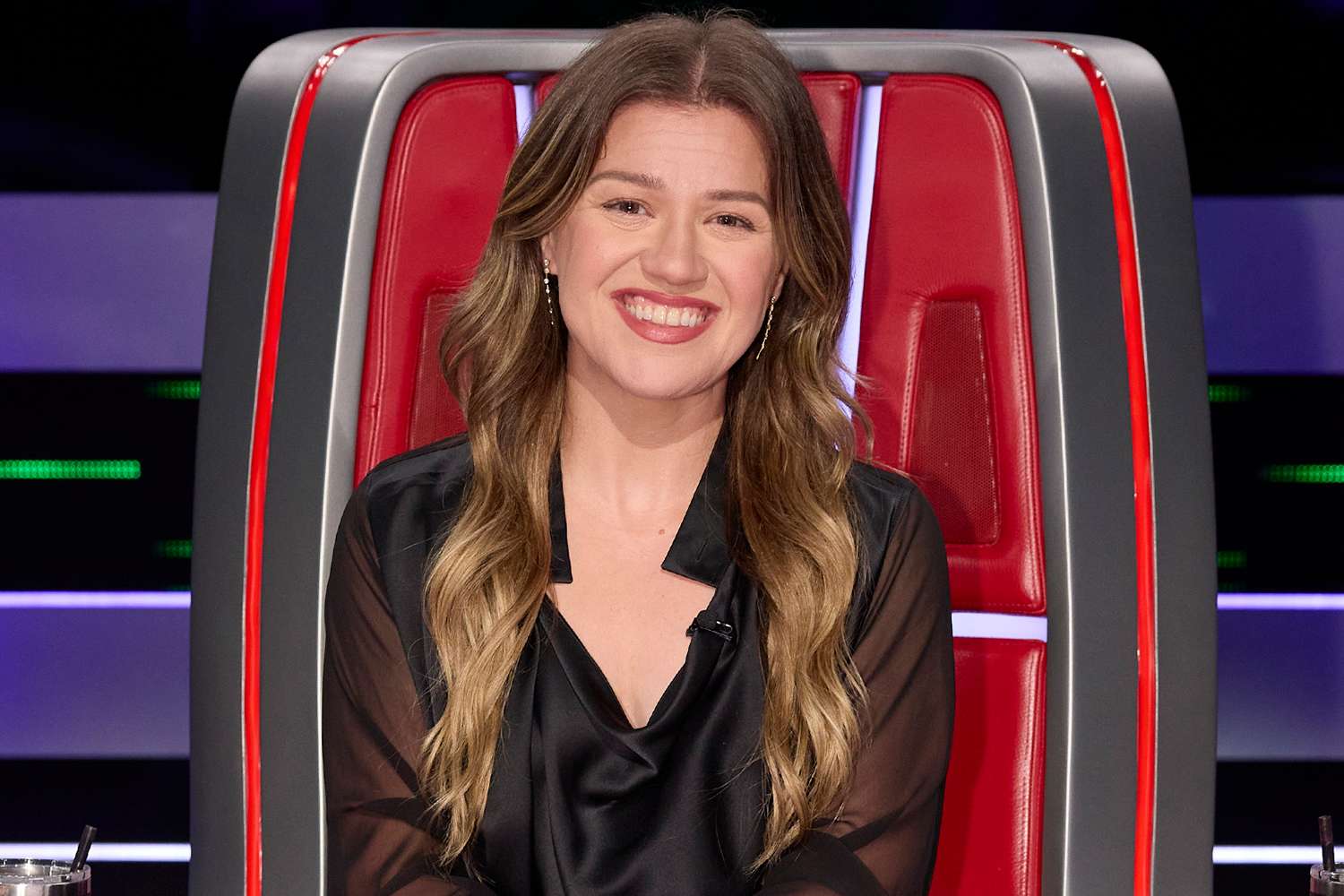
Choosing a singer to advance on The Voice is never easy, but the decisions become even more complicated when a coach is working with exceptionally young performers. Season 30 has given viewers a fascinating example of that challenge, with Kelly Clarkson facing a Team Kelly lineup filled with artists who have very different strengths, musical identities, and levels of experience. Her latest Cut Week decision involving 14-year-old Brooklyn Marie and 13-year-old Brianna Cameron has highlighted a bigger question: How much should a singer’s age and future potential matter when the competition is about finding the next great voice?
The November 2 episode presented Clarkson with five remaining contestants competing for one final place on her team in the Live Shows. Among them were Brooklyn, Brianna, Marcus Ladden Jr., Nina Howland, and Kyle Davis. Each had something different to offer, making the decision particularly difficult for a coach who had already spent weeks getting to know their individual talents.
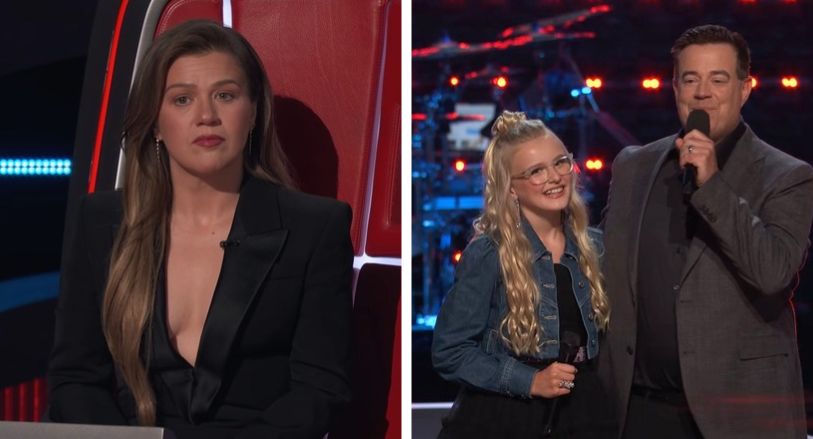
Clarkson eventually selected Brianna after her performance of Natalie Cole’s “Inseparable.” The teenager received an extraordinary reaction from her coach, who compared her to a young Whitney Houston. That decision meant Brooklyn would have to depend on America’s vote for another opportunity to continue competing.
But the situation also revealed something interesting about the way The Voice evaluates young singers. At 13 and 14, Brianna and Brooklyn are still developing their musical identities, yet both have already demonstrated the ability to perform under enormous pressure on national television.
Brooklyn’s journey makes the situation especially interesting because she didn’t arrive at Cut Week without having already impressed the competition. The Alexandria, Minnesota, teenager earned her place in Kelly’s team after winning her Battle against Kavi Nyx. Their performance of David Guetta and Sia’s “Titanium” gave the two singers an opportunity to demonstrate contrasting musical styles, and Clarkson ultimately decided Brooklyn was the artist she wanted to keep.
That victory was important because it showed that Brooklyn could compete successfully against another talented performer when the stakes were high. She wasn’t simply receiving opportunities because of her age. She had already earned her place through a head-to-head performance.

Her next challenge, however, required something different. Instead of performing alongside another contestant, she had to deliver a solo performance that would convince Clarkson she deserved one of the limited places in the Live Shows.
The song assignment was particularly interesting. Brooklyn had submitted a list of songs she hoped to perform, but when the show’s music directors and producers sent her the final selection, she discovered she would be singing Elton John’s “Goodbye Yellow Brick Road.”
It was a bold choice for a teenager competing against older and more experienced singers. The song has a distinctive musical identity, requiring a performer to bring personality and emotional understanding rather than simply rely on vocal power.
Brooklyn approached the opportunity knowing that it could be her final performance in the competition. She later explained that she wanted to make the most of the moment and give everything she had to earn a place in the next round.
Her performance received encouraging reactions from the other coaches. Adam Levine specifically praised her high notes, pointing out the control and power she demonstrated during the song. He also reminded her that she had considerable time to continue developing an already impressive talent.
Queen Latifah responded enthusiastically as well, while Clarkson praised Brooklyn’s willingness to take on such an interesting song.
Kelly’s comments were particularly revealing. Rather than focusing exclusively on technical ability, she discussed the qualities that made Brooklyn appealing as a young performer. She described the teenager’s innocence as something magical, explaining why it was difficult not to be drawn to her.
That observation raises an interesting issue in singing competitions. A technically impressive performance can be important, but a contestant’s personality, musical instincts, and ability to connect with an audience can be just as valuable.
For younger singers, those qualities can develop significantly over time. A 14-year-old performer might already possess an impressive voice, but the experience gained through professional coaching, stage performances, and exposure to different musical styles can shape what that voice eventually becomes.
Brooklyn’s experience on The Voice also demonstrates how difficult it can be to separate immediate performance quality from long-term potential. Coaches must make decisions based on what they see and hear during the competition, rather than what a contestant might accomplish several years into their career.
And that is where Clarkson’s decision becomes particularly interesting.
Brianna Cameron had also demonstrated remarkable ability throughout the season. Her earlier performances established her as a powerful young vocalist, and her Cut Week rendition of “Inseparable” gave Clarkson another reason to believe she was ready for the next stage.
The comparison to Whitney Houston was an especially significant compliment, considering Houston’s reputation as one of the greatest vocalists in modern music history. Clarkson’s reaction suggested that Brianna possessed qualities she believed could develop into something extraordinary.
But advancing Brianna didn’t mean Brooklyn lacked talent or wasn’t capable of reaching the same level in the future. It simply meant Clarkson had one available position and had to make a decision based on the performances in front of her.
There was another moment from backstage that offered a different perspective on the competition.
Brooklyn revealed that the five Team Kelly contestants who performed during Cut Week gathered afterward and agreed to support whoever Clarkson selected. Their understanding was that, regardless of the outcome, they would be happy for the person who received the opportunity.
That promise became particularly meaningful when Clarkson announced her decision. Brooklyn congratulated Brianna and remained composed, even though the result meant she wasn’t advancing through her coach’s selection.
Her mother, Kristin Ostlund, praised the teenager’s reaction, explaining that her daughter genuinely wanted to support her teammate. It was a moment that demonstrated how the relationships between contestants can become just as memorable as the performances themselves.
Competitive television often creates the impression that singers are fighting against one another at every opportunity. But behind the scenes, contestants can develop friendships and understand that another person’s success doesn’t necessarily diminish their own achievements.
Brooklyn’s response was a reminder that a successful competition experience doesn’t have to be measured exclusively by how far someone advances. Learning to perform under pressure, receiving professional feedback, and sharing a stage with talented artists can all become valuable experiences.
Importantly, Brooklyn’s journey wasn’t necessarily over after Clarkson selected Brianna. The new Cut Week format gave eliminated contestants another opportunity through America’s vote, with one additional singer earning a place in the Live Shows.
That meant Brooklyn still had a chance to continue competing, even though she hadn’t received the final spot on Team Kelly.
Her confidence afterward was clear. She expressed gratitude to the people who had supported her throughout the season and said she felt good about what she had accomplished. She also remained optimistic that America would support her.
There is something refreshing about that attitude, particularly in a competition where rejection can easily overshadow everything a contestant has achieved. Brooklyn had already made it through the Battles, performed an Elton John classic on national television, and received praise from four established music personalities.
At just 14, those experiences represent a significant opportunity.
My biggest takeaway from Brooklyn’s Cut Week appearance is that The Voice is showcasing two different versions of young talent through her and Brianna. One has demonstrated the ability to deliver a memorable performance while showing considerable room to grow; the other has impressed her coach with a level of vocal ability that inspired an extraordinary comparison.
Both journeys deserve recognition, even though only one could receive Kelly’s final selection.
As the competition moves into its Live Shows, the bigger question is whether America’s vote will give Brooklyn another opportunity to demonstrate what she can do. Do you think Kelly made the right decision choosing Brianna, or would you have advanced Brooklyn instead? And more importantly, which of these young singers do you believe has the greatest long-term potential?