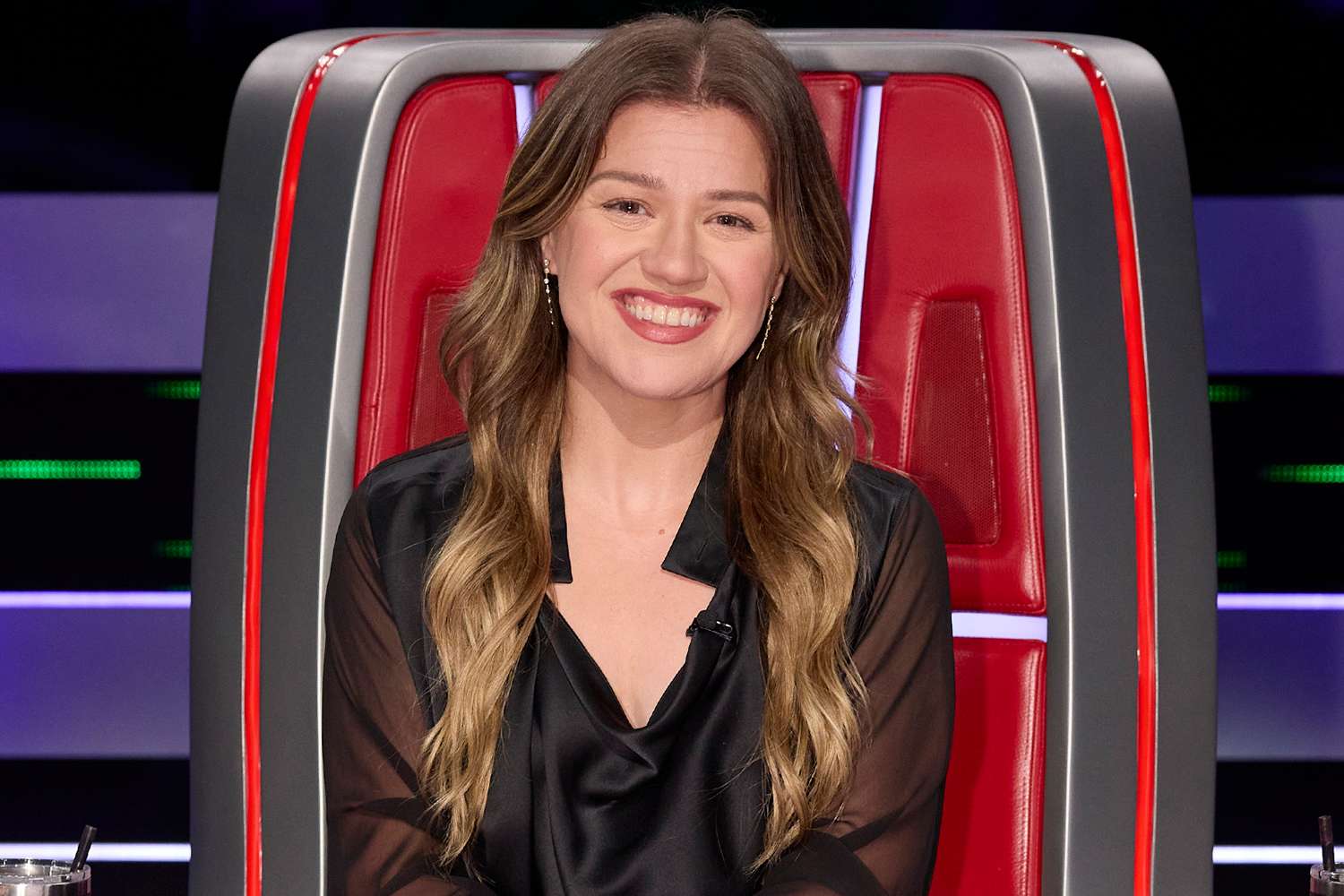
For three decades, The Voice has built its reputation around powerful performances, emotional coach decisions, and the search for America’s next great singing talent. But Season 30 has introduced something that could change the way contestants experience the competition: an elimination round where even singers rejected by their own coaches still have a chance to reach the Live Shows. And this time, the final decision doesn’t belong to the coaches.
The NBC singing competition introduced its first-ever Cut Week on November 2, bringing an unusually dramatic twist to the competition. Instead of following its traditional route through the Knockout Rounds and Playoffs, the show placed 28 remaining artists in a high-pressure battle for a much smaller number of opportunities. By the end, only 12 contestants had secured places through their coaches, while America was given the power to decide who would claim one additional spot.

It is a significant change for a show that has spent years asking its coaches to make the most important decisions about contestants’ futures. This time, however, a coach’s decision to send someone home doesn’t necessarily mean that singer’s journey is over.
Season 30 arrived with several major changes, including a refreshed coaching panel featuring Kelly Clarkson, Adam Levine, Queen Latifah, and Riley Green. The combination brings together familiar faces and new perspectives, giving the competition a different dynamic as it celebrates its 30th season. But the biggest surprise may not be sitting in the famous red chairs. It is the way the competition itself has been redesigned.
NBC officially introduced Cut Week as the biggest elimination in The Voice’s history. The format gives each coach seven artists heading into the round, including six Battle winners and one contestant saved through a Steal. Rather than allowing all seven singers to continue through additional rounds, each coach must immediately select two artists to advance directly to the Live Shows.
That decision alone creates enormous pressure. A contestant who has impressed a coach throughout the Blind Auditions and Battles can suddenly discover that there is no guaranteed place waiting for them. The remaining five artists on each team must perform again, knowing that only one of them will receive the coach’s final available spot.
In other words, the competition becomes considerably less forgiving. There is little room for an inconsistent performance, and even a singer who has delivered several memorable moments can find themselves fighting for survival.
The format also creates a different kind of challenge for the coaches. Kelly Clarkson, Adam Levine, Queen Latifah, and Riley Green aren’t simply choosing which performances they enjoyed most. They are deciding which artists they believe have the strongest potential to represent their teams during the most important stage of the season.

The decisions made during the November 2 episode demonstrated just how difficult that responsibility could become. Each coach had to narrow down a group of talented performers, and not every choice was necessarily going to satisfy viewers who had developed favorites throughout the competition.
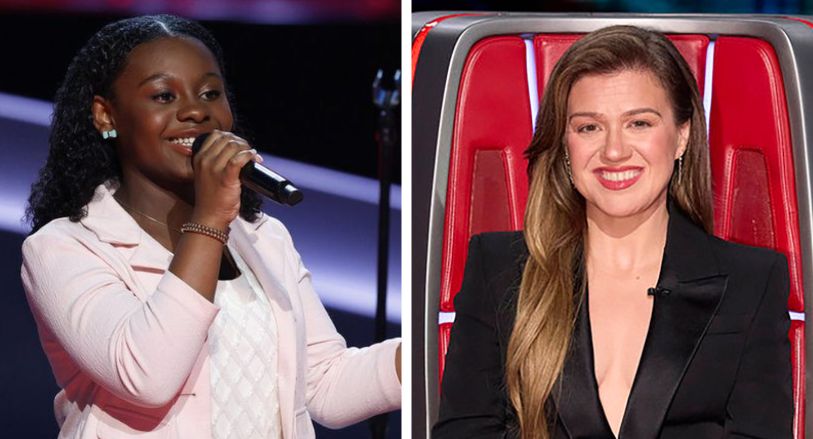
Team Kelly provided one particularly interesting example. Clarkson advanced Koumba Diallo and Anna McElroy directly to the Live Shows before selecting Brianna Cameron as her third contestant. Cameron’s performance of Natalie Cole’s “Inseparable” had already made an impression, with TVLine noting that Clarkson had tears in her eyes during the teenager’s powerful finish. The decision also reflected how much the coach valued Cameron’s ability at just 13 years old.
But the interesting part of Cut Week is what happens to the singers who don’t receive that final vote of confidence from their coaches.
Under the new system, those contestants aren’t immediately removed from the entire competition. Instead, they become eligible for a separate public vote, giving viewers an opportunity to rescue one additional artist and send them into the Live Shows.
That means 16 singers were left competing for the final available position after the coaches completed their selections. Four contestants from each team entered this group, creating a completely different kind of competition in which popularity with viewers could become just as important as a coach’s judgment.
The public vote is particularly interesting because it gives contestants another opportunity to connect with audiences beyond the traditional performances. A singer who didn’t quite convince their coach might still have a loyal following among viewers who believe that artist deserves another chance.
It also raises an important question about what makes someone successful on The Voice. Is it the technical ability to deliver a spectacular performance? Is it the emotional connection that makes people remember a singer long after the music stops? Or is it the ability to build a following that translates into actual votes?
The new system puts all three possibilities into the spotlight.
The competition’s four teams have already experienced their share of difficult decisions. Queen Latifah selected Mia Knight, BigCountry, and Lillie Kolich for her team. Adam Levine advanced Lexi Stephens, Connor Closs, and Dakota Cohen. Riley Green chose Cade Mower, Ferryn and Brinkley, and Joe Henley, while Clarkson moved forward with Koumba Diallo, Anna McElroy, and Brianna Cameron.

Those 12 artists now have their places secured, but the public vote creates an additional opportunity for someone who initially appeared to have reached the end of the road.
And there is another reason this change matters: Season 30 is bringing back an extended run of Live Shows. NBC has announced six weeks of live performances, with the season finale scheduled for December 14. The network is also introducing new ways for viewers to participate, including SMS and TikTok voting, with results announced on the same night as the performances.
That means the audience will have more influence over the competition than simply watching performances and discussing them afterward. Viewers will have a direct opportunity to shape the lineup and help determine which artists continue their journeys.
For contestants, reaching the Live Shows is especially important because it provides another opportunity to demonstrate what they can do in front of a much larger audience. For the coaches, it means their teams will eventually face a different challenge: preparing artists for performances where public opinion carries even greater weight.
The timing of these changes is also significant. The Voice is celebrating a milestone season, and bringing back six weeks of live television gives the show an opportunity to reconnect with one of the elements that helped establish its identity. The new voting options and Cut Week format suggest that NBC wants viewers to feel more involved in the outcome rather than simply watching the coaches make every major decision.
Of course, there is a genuine debate about whether this approach makes the competition better. Some viewers may appreciate the opportunity to save a contestant who deserves another chance. Others might argue that the coaches should have the final say because they have worked closely with the artists and understand their development throughout the competition.
There is also the question of whether a public vote will reward the strongest performance or the contestant with the biggest existing fan base. Those aren’t always the same thing, particularly in a competition where singers come from different backgrounds and musical styles.
Personally, the most interesting part of this change is that it gives the competition an additional layer of unpredictability. A coach’s decision can now become the beginning of another opportunity rather than the end of a contestant’s story. That makes the audience an active part of the competition in a way that could produce some memorable moments.
The public vote has already closed, but the identity of the additional artist will be revealed when the Live Shows begin on November 9. Until then, the remaining question is which of the 16 singers viewers believe deserves another opportunity.
After 30 seasons, The Voice is proving that it isn’t afraid to change the rules. But is giving America the power to bring back an eliminated contestant a brilliant way to make the competition more exciting, or should the coaches have the final word? Which singer would you have saved?