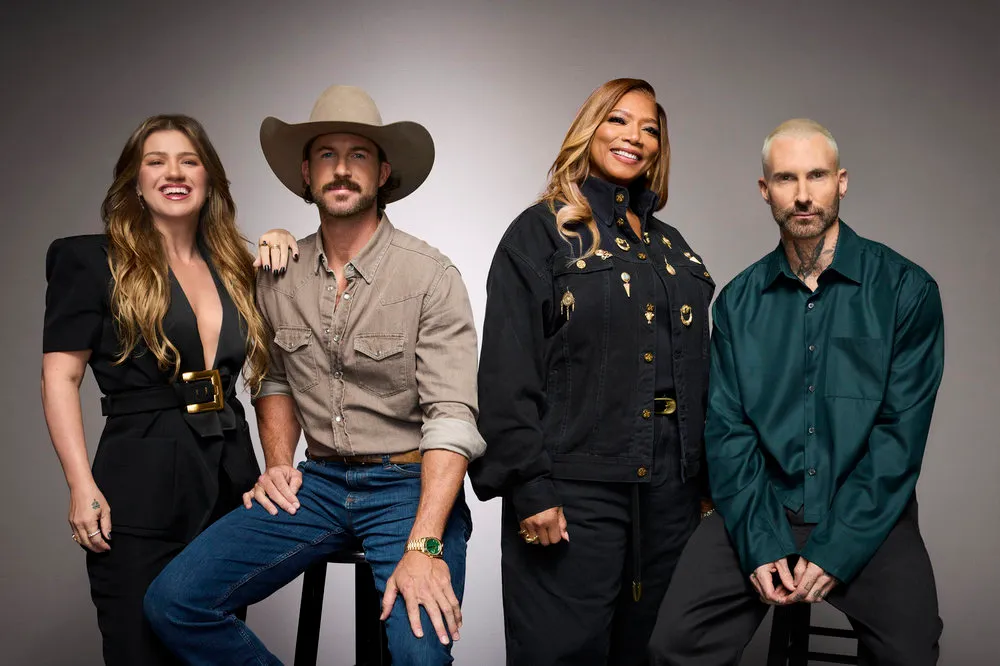
For the first time in The Voice history, a coach’s decision does not necessarily have to be the end of a contestant’s journey. After one of the most ruthless elimination rounds the competition has ever seen, 16 singers who failed to secure their coaches’ approval have been given another opportunity, and this time, America gets to decide who deserves to survive.
Season 30 has introduced a major format change that could reshape the competition. Instead of allowing the coaches to make every decision about which artists advance to the Live Shows, the show has handed viewers the power to bring one eliminated contestant back into the spotlight. With the Top 12 already determined, that final opening creates an entirely different kind of competition heading into November 9.
The twist arrived during the first-ever Cut Week, which aired November 2 on NBC. The episode dramatically reduced the competition from 28 remaining artists to just 12, leaving 16 singers outside the initial Live Show lineup. But unlike a traditional elimination, their journeys were not necessarily over.
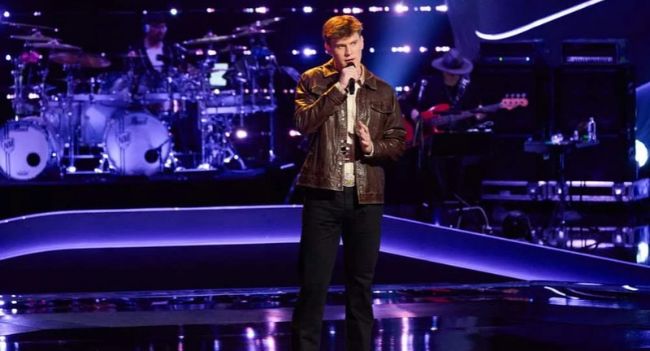
What makes this change particularly interesting is how much responsibility has shifted from the coaches to the audience. For years, contestants on The Voice have depended heavily on the people sitting in those famous red chairs. A coach’s decision could determine whether an artist continued competing or had to leave the stage.
This season, however, there is another possibility. A contestant who loses the final decision within their team can still receive a second opportunity if viewers believe that singer deserves a place in the competition.
The format itself was a significant departure from the familiar structure of previous seasons. Rather than following the usual Knockouts and Playoffs, Season 30 introduced Cut Week as the stage between the Battles and the Live Shows.
Each coach entered the round with seven artists. Kelly Clarkson, Adam Levine, Queen Latifah and Riley Green were each allowed to send two contestants directly into the Live Shows. The remaining five singers on each team then performed for one final position, with their coach making the decision.

That meant every coach had to make an incredibly difficult choice. Four artists were selected automatically across the four teams, another four earned their places through the performances, and the remaining 16 were left hoping viewers would give them another chance.
It was a format that rewarded consistency, but it also placed enormous pressure on contestants who had already invested weeks in the competition. One performance could become the difference between continuing toward the championship and watching the season unfold from home.
The four coaches ultimately selected three artists apiece for the initial Top 12.
Team Kelly Clarkson advanced Koumba Diallo, Anna McElroy and Brianna Cameron. Adam Levine selected Lexi Stephens, Connor Closs and Dakota Cohen. Riley Green moved forward with Cade Mower, Ferryn & Brinkley and Joe Henley, while Queen Latifah chose Mia Knight, BigCountry and Lillie Kolich.
Those decisions established the first 12 places, but they did not settle the entire lineup.
The most interesting part of the new arrangement is what happened to the contestants who missed out. Instead of allowing the coaches’ choices to completely determine the final lineup, The Voice opened a separate public vote for one additional position.
Sixteen artists became eligible for that opportunity, meaning the eventual winner would enter the Live Shows through a different route from everyone else.
And that is where the competition becomes particularly fascinating.
Consider the range of performers who found themselves outside the initial lineup. Team Riley Green had Allie Rae, Everett Bounds, Keiyana Osmond and Kayleigh Mathews. Team Adam Levine had Evan James, Owen Uffens, Amanda Mikkel and Brandon Diaz.
Queen Latifah’s team included Destinee Monroe, Alt Bloom, Bryan Jaymes and Chari, while Kelly Clarkson’s remaining contestants included Marcus Ladden Jr., Brooklyn Marie, Nina Howland and Kyle Davis.
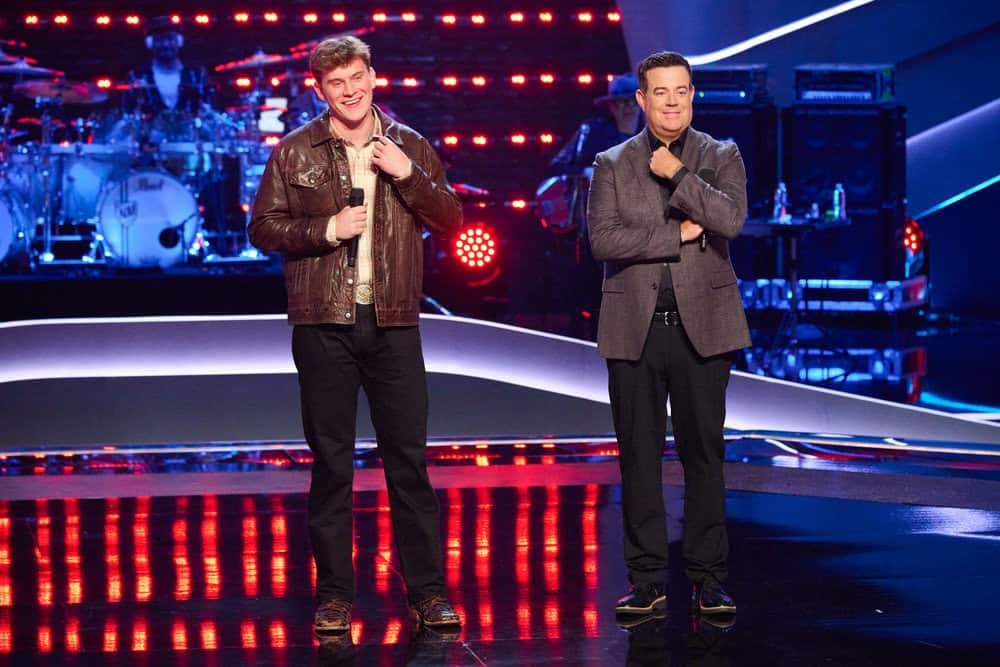
These are not simply contestants who disappeared from the competition without making an impression. Several had already received significant encouragement from the coaches during their time on the show.
For example, Destinee Monroe had earned praise for her performance of David Bowie’s Space Oddity, while former coach Adam Levine had previously expressed admiration for her rock-oriented style. Evan James also received positive feedback for his performance of Chris Stapleton’s Midnight Train to Memphis.
On Team Kelly, 14-year-old Brooklyn Marie delivered Elton John’s Goodbye Yellow Brick Road, earning encouraging comments about her potential. Meanwhile, Marcus Ladden Jr. had already demonstrated his personality and stage presence through his performance of Lou Rawls’ You’ll Never Find Another Love Like Mine.

Their elimination from the coaches’ initial selections does not automatically mean they lacked the ability to compete. It simply means their coaches ultimately chose someone else when faced with limited places.
That distinction matters because singing competitions are rarely decided by vocal ability alone. Song selection, consistency, artistic identity, stage presence and the ability to connect with an audience can all influence how a contestant is perceived.
Sometimes a singer who does not immediately fit a coach’s preferred direction can become a favorite among viewers. Other times, an artist who received plenty of praise during earlier rounds may struggle to turn that support into votes.
The new public-vote opportunity gives those different possibilities room to play out.

It also creates an interesting challenge for the coaches. They have already made their selections, but the audience now has an opportunity to choose somebody those same coaches did not advance. The eventual returning contestant could even come from a team whose coach believed another artist was the stronger choice for the Live Shows.
That does not necessarily mean the coaches made the wrong decisions. They were working within strict limits and had to select only one artist from five remaining performers on their respective teams. Nevertheless, the audience may have different priorities.
Some viewers might favor a technically impressive vocalist. Others could prefer an artist with a distinctive musical identity or someone whose personality makes them particularly memorable. And there will undoubtedly be viewers who simply believe a particular contestant deserves another opportunity after an unfortunate elimination.
The format also reflects a larger change in how The Voice is approaching its milestone 30th season. NBC has confirmed six weeks of Live Shows, new voting methods involving text messages and TikTok, and same-night results rather than waiting for a separate results episode. The network has also brought back the Live Shows as a major part of the season’s structure.
That gives viewers a more immediate role in determining the competition’s direction. Instead of simply watching coaches make decisions, audiences are being encouraged to participate in the process and influence who gets another opportunity.
The first Live Show is scheduled for Monday, November 9, at 9 p.m. ET on NBC. The episode will reveal which of the 16 remaining eligible artists earned the public’s support and secured the final place in the Top 13.
For the 12 singers already selected, the focus will be on preparing for a completely different stage of the competition. For the 16 still waiting, the next announcement could represent the difference between an early exit and an unexpected comeback.

Personally, this is one of the more interesting changes The Voice has introduced because it creates a genuine second-chance opportunity without taking away the coaches’ authority over their own teams. It also raises a question that makes reality singing competitions so compelling: Should a contestant’s journey be determined primarily by the professional judgment of a coach, or should the audience have the final say when an artist still has something to offer?
One thing is certain: the November 9 announcement will add another layer of anticipation to an already dramatic transition into the Live Shows.
And now the biggest question is which of those 16 singers America believes deserves another chance. Is there someone you think the coaches should have advanced, or did they make the right decisions during Cut Week?