BIGCOUNTRY may have lost his chance to win The Voice Season 30, but his elimination could mark the beginning of a much more unpredictable musical journey. The former Team Queen Latifah contestant is preparing to introduce audiences to a side of himself that extends far beyond the country music identity his stage name suggests.
After falling short of the Top 8 alongside Dakota Cohen during Dolly Parton Night on November 23, BIGCOUNTRY revealed that he has original music waiting to be recorded. However, what makes his next chapter particularly interesting is that he has no intention of restricting himself to the genre many viewers might naturally associate with him.
Instead, the singer has a different vision for his future, one that could take him in several unexpected musical directions.
“I say I’m not a country music artist. I’m a music artist that’s country,” he explained following his elimination.
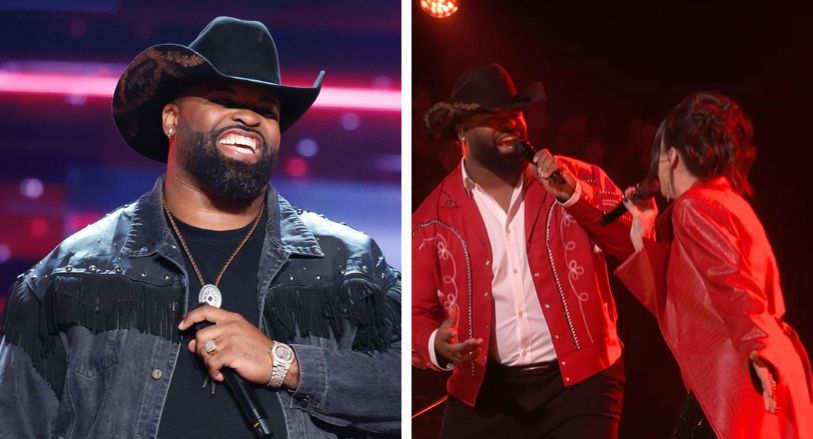
That distinction says a great deal about the performer audiences have been watching throughout Season 30. While his name immediately creates certain expectations, BIGCOUNTRY appears determined to challenge those assumptions rather than build his entire career around them.
He describes his preferred musical approach as “freedom music,” a concept that allows him to explore country, gospel, funk, R&B, rock and other influences without feeling pressured to choose just one identity. For an artist emerging from a televised singing competition, that could be both an exciting opportunity and a considerable challenge.
Looking back at his performances on The Voice, the signs were already there.
BIGCOUNTRY demonstrated his willingness to step outside traditional country music when he performed “It’s My Life” by Bon Jovi during the November 9 live show. Taking on a recognizable rock anthem was a departure from what some viewers might have expected, and the performance helped him secure a place in the Top 10.
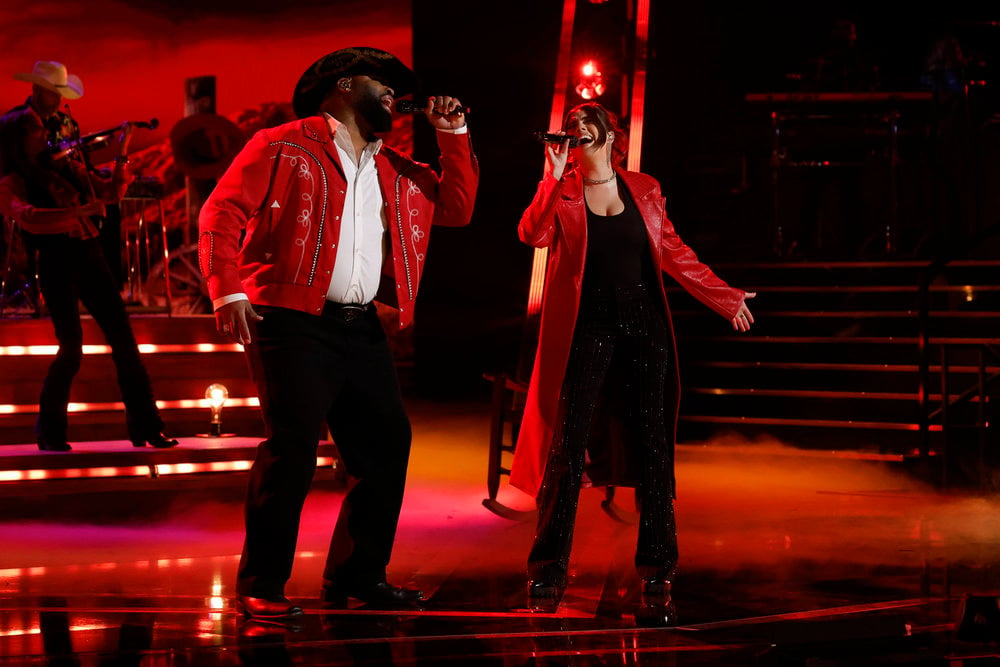
His musical versatility became particularly relevant during Dolly Parton Night, when the remaining contestants were paired with artists from competing teams. BIGCOUNTRY joined Adam Levine’s Dakota Cohen for a performance of “Jolene,” transforming one of Parton’s most recognizable songs into a collaboration between two distinctive vocalists.
The performance received an enthusiastic response from the coaches. Adam Levine acknowledged how much the duet had improved since rehearsals, while Queen Latifah praised the effort both contestants had invested in bringing the performance together.
Unfortunately, that encouragement was not enough to secure their places in the next round.
The result was especially disappointing considering how much the performance meant to BIGCOUNTRY personally. He revealed afterward that “Jolene” was the song he had hoped to receive, despite having no control over the selection. Remarkably, it was also his first experience performing a Dolly Parton song.
There was another challenge behind the performance that viewers might not have fully appreciated. After spending weeks competing for survival, BIGCOUNTRY suddenly had to approach another contestant as a musical partner rather than a rival. Creating something memorable required cooperation, mutual understanding and a willingness to share the spotlight.
That experience could prove valuable beyond The Voice. Artists who want to move between different musical genres often depend on their ability to collaborate with musicians whose backgrounds and creative instincts differ from their own. BIGCOUNTRY’s experience with Dakota offered him an opportunity to develop precisely that skill.
What stands out about his response to the elimination is his refusal to allow the result to overshadow everything he accomplished. Rather than expressing regret about his final song or questioning his partnership with Dakota, he appeared satisfied that he had delivered a performance he could proudly stand behind.
Now comes a very different test.
Throughout The Voice, contestants perform songs that audiences already recognize. Familiar melodies and emotional connections can help viewers immediately engage with a performance. Releasing original material means asking those same listeners to connect with something entirely new.
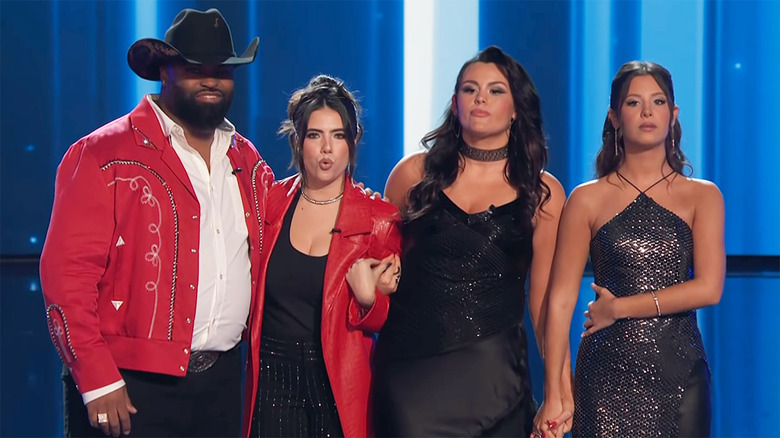
For BIGCOUNTRY, that transition could reveal more about his artistic personality than any competition performance.
The singer has confirmed that he already has songs written and intends to record them after returning to Washington. He also wants to continue performing in smaller venues, building relationships with audiences and eventually working toward touring.
There is something refreshing about that approach. After appearing on national television, BIGCOUNTRY is willing to return to more intimate stages where the connection between an artist and an audience can feel considerably more personal.
Those performances could also give him the opportunity to experiment with his original material, discover which songs resonate most strongly with listeners and develop the musical identity he wants to establish.
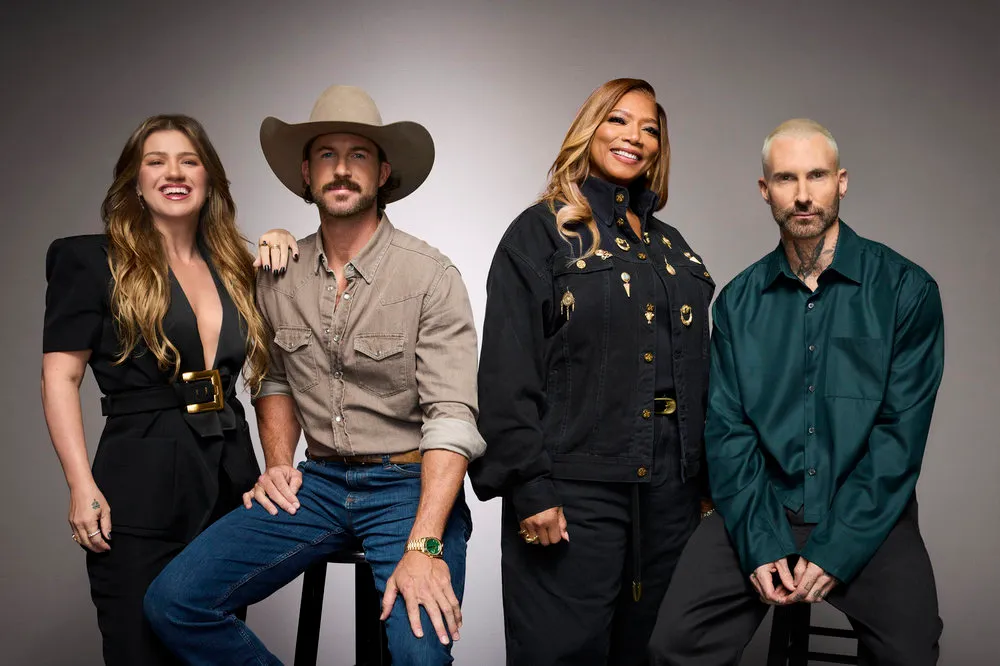
His experience working with Queen Latifah may have helped shape that confidence. BIGCOUNTRY spoke warmly about receiving encouragement from someone he admired long before joining the competition. He also credited Adam Levine with challenging him to explore his upper vocal range and trust his instincts instead of overthinking every performance.
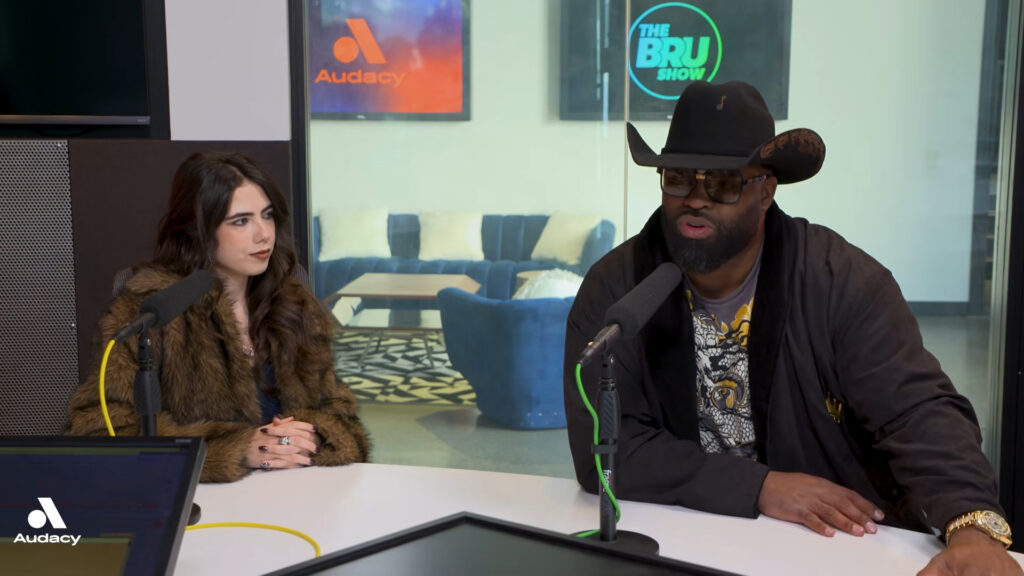
Considering the musical backgrounds of those two coaches, their influence seems particularly appropriate for an artist who wants to move freely between genres.
Queen Latifah has built a career that extends across hip-hop, jazz, soul and entertainment, while Levine’s work with Maroon 5 has incorporated elements of pop, rock, funk and R&B. Neither artist’s career can be comfortably explained through a single musical category.
BIGCOUNTRY now has the opportunity to pursue a similarly independent creative direction, although establishing that identity will take time.
There is no guarantee that every listener who supported him on The Voice will embrace every genre he explores. Some may prefer his country performances, while others might be more interested in hearing him tackle rock or gospel. Finding a sound that connects those influences without losing his distinctive personality could become one of his most important artistic challenges.
In our view, his willingness to take that risk is precisely what makes his post-Voice career worth watching. Following a predictable country music path might be the easier option, but it would not necessarily reflect the full range of interests he has expressed.

His elimination also raises a broader question about what success on a singing competition actually means. Winning the trophy is an extraordinary achievement, but discovering an authentic musical identity and developing an audience that remains interested after the cameras stop rolling can be equally significant.
BIGCOUNTRY has not announced an official release date for his original music, and his touring ambitions remain plans rather than confirmed bookings. Nevertheless, his determination to keep writing, recording and performing offers an encouraging indication of where his career could go next.
The Voice may have closed one door for BIGCOUNTRY, but his next musical chapter could give listeners something the competition never fully allowed them to experience: an artist performing entirely on his own terms.
Would you prefer to hear BIGCOUNTRY embrace his country roots, or do you think his decision to explore rock, gospel, funk and R&B could make him an even more exciting artist than the one we discovered on The Voice?