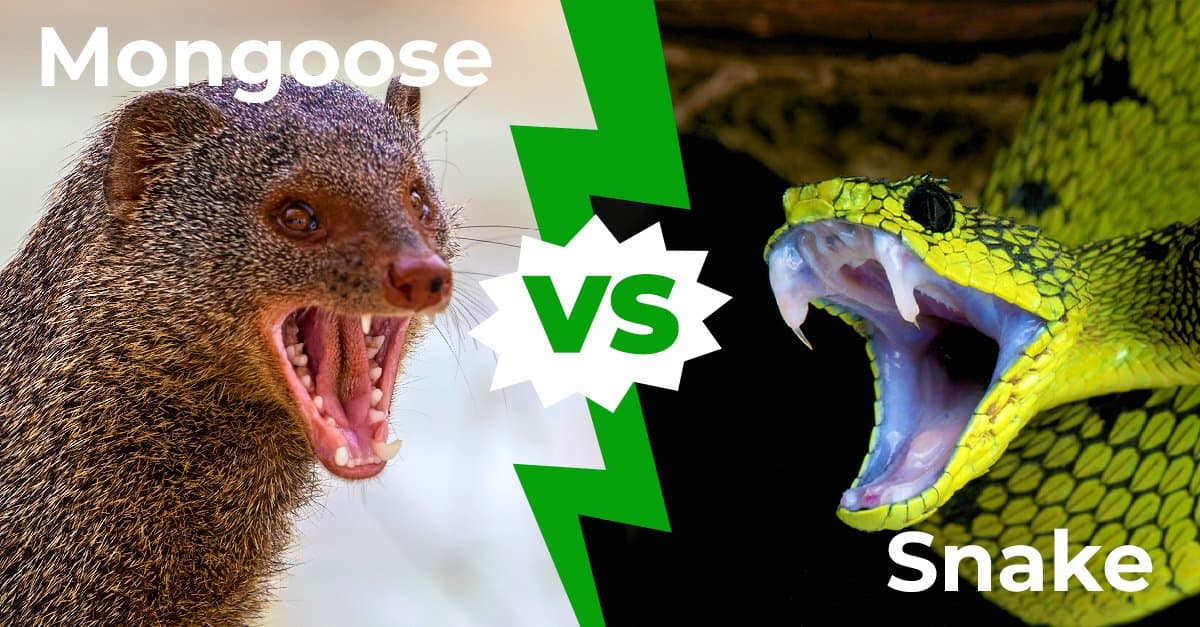
A cobra is among the most intimidating reptiles on Earth. Its distinctive hood, rapid movements and potentially deadly venom make it a dangerous opponent for almost any small mammal.
Yet the mongoose is famous for confronting these remarkable snakes.
For centuries, people have been fascinated by encounters between mongooses and cobras. Their rivalry has appeared in folklore, literature and wildlife documentaries across the world.
Modern science has revealed that the mongoose possesses an extraordinary biological advantage hidden within its genetic code.
## Meet the Mongoose
Mongooses are small carnivorous mammals belonging to the family Herpestidae. Different species inhabit Africa, Asia and parts of southern Europe.
They are generally characterised by elongated bodies, short legs, pointed faces and remarkable agility.
Although mongooses are famous for hunting snakes, their diets are considerably more varied. Depending on the species, they consume insects, rodents, birds, eggs, reptiles and other small animals.
Their ability to confront venomous snakes is only one part of their remarkable adaptability.
## Why Cobra Venom Is So Dangerous
Cobra venom contains a complex mixture of biologically active substances.
Certain neurotoxins interfere with communication between nerves and muscles. In severe cases, this can lead to paralysis and respiratory failure.
Other venom components can damage tissue and produce serious complications.
For most small mammals, a significant venomous bite represents a potentially fatal threat.
Mongooses, however, have evolved resistance to some of these dangerous substances.
## The Genetic Secret Behind Mongoose Venom Resistance
Scientists discovered that mongooses possess genetic differences affecting certain receptors involved in communication between nerves and muscles.
Some snake neurotoxins normally attach to these receptors, preventing muscles from receiving the signals necessary to function.
In mongooses, changes to the receptor can make it more difficult for particular neurotoxins to bind successfully.
Imagine venom as a key designed to fit a specific lock. The mongoose has evolved a slightly different lock, making the key less effective.
This adaptation provides protection against certain snake neurotoxins.
It is an extraordinary example of evolution responding to a persistent environmental threat.
## Are Mongooses Completely Immune to Snake Venom?
Despite their reputation, mongooses are not completely immune.
Snake venom is a complex mixture, and resistance to one component does not necessarily provide protection against every other substance.
A sufficiently serious bite can still injure or potentially kill a mongoose.
The outcome depends on numerous factors, including the species of snake, the amount of venom and the mongoose’s physical condition.
Its biological resistance improves its chances of survival but does not make it invincible.
## More Than Just Venom Resistance
The mongoose also possesses excellent reflexes, agility and highly developed senses.
Its lightweight body allows it to move rapidly, while its awareness of its surroundings helps it respond to potential threats.
These characteristics are useful not only during encounters with snakes but also when hunting other prey and avoiding larger predators.
The mongoose’s success is therefore the result of multiple evolutionary adaptations rather than a single extraordinary ability.
## Why Cobras and Mongooses Encounter Each Other
Mongooses and cobras inhabit overlapping environments across parts of Africa and Asia.
Both animals may search for food in grasslands, agricultural areas, woodland and other habitats.
Mongooses can prey on snakes, while larger snakes may also threaten smaller mammals.
However, their relationship is not defined by constant battles. Many encounters end without either animal suffering serious harm.
Avoiding unnecessary injury is an important survival strategy for both species.
## Other Animals With Similar Biological Defences
The mongoose is not the only mammal to have evolved resistance to certain snake neurotoxins.
Honey badgers, hedgehogs and pigs also possess adaptations that can reduce susceptibility to particular venom components.
These animals belong to different evolutionary groups, making their similar adaptations especially fascinating.
Scientists describe this phenomenon as convergent evolution, where unrelated organisms independently develop comparable solutions to similar environmental challenges.
## Mongoose vs Cobra: Who Would Win?
The cobra possesses potent venom and sophisticated defensive abilities.
The mongoose possesses agility, rapid reflexes and resistance to certain neurotoxins.
Both animals have extraordinary adaptations, and neither is guaranteed to survive every encounter.
The mongoose’s reputation comes from its remarkable ability to confront a threat that many other small mammals cannot safely tolerate.
## Final Thoughts
The mongoose demonstrates that survival is not always determined by physical size.
Sometimes, the most remarkable defence exists at a molecular level, invisible to the human eye.
Its relationship with venomous snakes reveals how evolution can produce extraordinary biological solutions to seemingly impossible challenges.
**Follow Wildlife Clash for more incredible animal battles and the fascinating science behind nature’s greatest survival stories.**