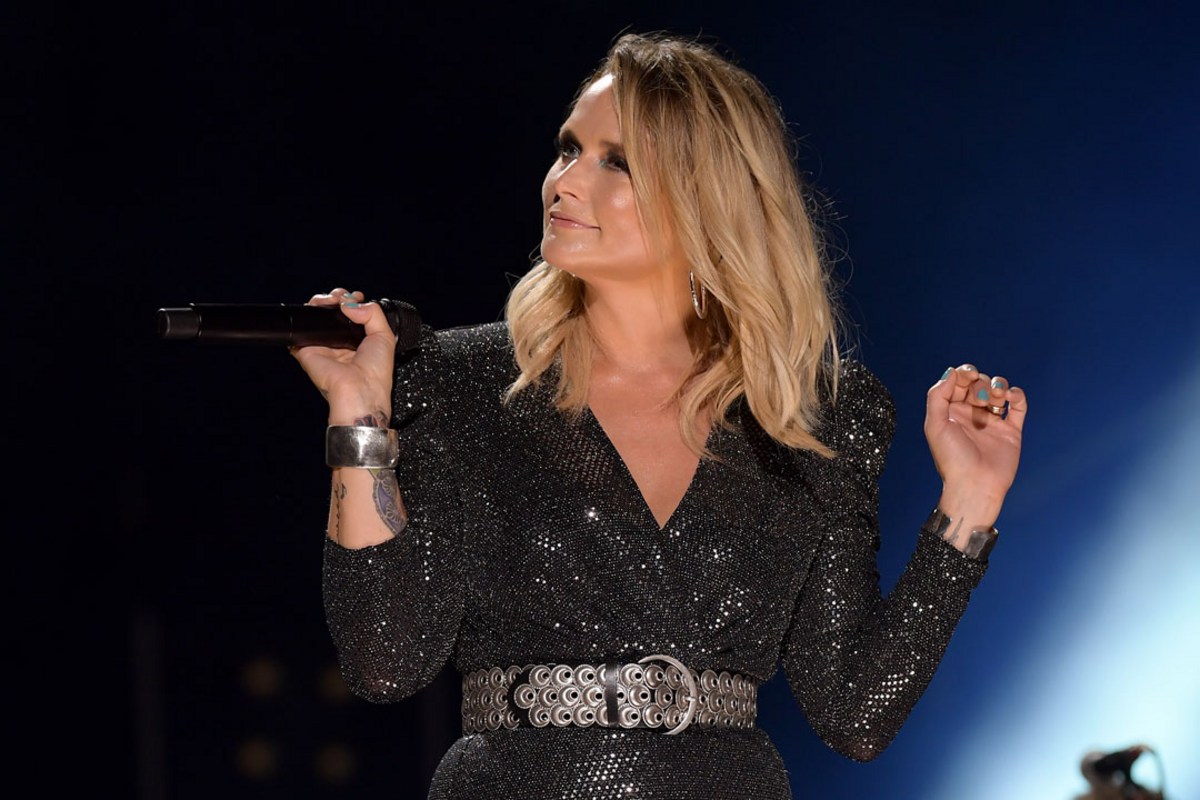
Miranda Lambert needed less than seven minutes to make a compelling case for country music taking center stage at the Super Bowl. Armed with some of her most recognizable hits, a full band and unmistakable Texas attitude, the country superstar turned the Dallas Cowboys’ Thanksgiving halftime show into a celebration of everything that makes her music so distinctive.
Performing at AT&T Stadium on November 26 during the Cowboys’ game against the Philadelphia Eagles, Lambert delivered a five-song medley that balanced nostalgia with her latest musical chapter. Rather than attempting to reinvent herself for a massive television audience, she leaned into the personality that has defined her career for more than two decades.
And perhaps that was the smartest decision she could have made.
Football halftime shows often rely on elaborate productions, surprise celebrity appearances and carefully constructed theatrical moments. Lambert certainly had an impressive stage, complete with dramatic lighting, a string section and the Dallas Cowboys Cheerleaders, but the foundation of her performance was something much simpler: a collection of songs built for an audience that appreciates powerful, unapologetic country music.
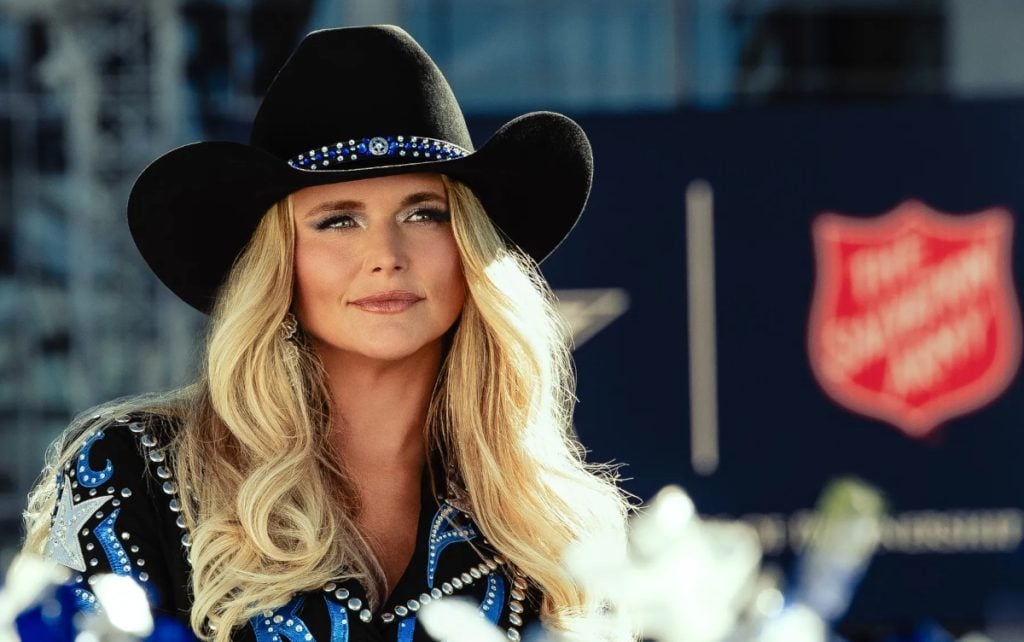
Dressed in a Cowboys-inspired outfit featuring stars, fringe and a black cowboy hat, Lambert looked perfectly at home in the Texas stadium. The combination of country instrumentation, rock influences and stadium-sized production gave the performance an identity that felt entirely appropriate for the occasion.

One of the most interesting decisions Lambert made was opening with her newer single, “Snakeskin Boots,” rather than immediately reaching for one of her biggest career-defining hits. With millions of potential listeners watching from home, she used the opportunity to introduce her current music before reminding audiences why they fell in love with her sound in the first place.
That transition came with “Kerosene,” the fiery title track from her 2005 major-label debut album. For longtime listeners, hearing that song on such an enormous stage carried a particular significance. It represents an early chapter of Lambert’s career, when her rebellious personality and refusal to conform helped distinguish her from many of her contemporaries.
More than 20 years later, that same musical attitude remains central to her appeal.
“Gunpowder & Lead” and “Mama’s Broken Heart” continued the journey through Lambert’s catalog, bringing together songs that showcase her ability to combine sharp storytelling with infectious melodies and rock-inspired country arrangements. Closing with “Little Red Wagon” was another fitting choice, allowing the singer to finish with one of her most energetic and recognizable concert favorites.
The entire set offered a remarkably concise introduction to Lambert’s artistic identity. There was confidence, humor, independence and a sense of musical fearlessness running through the song selections. Even someone unfamiliar with her extensive catalog could come away with a clear understanding of what makes Miranda Lambert different.

What made the occasion even more meaningful was the involvement of Reba McEntire, who introduced Lambert before the performance. McEntire was the original headliner when the Cowboys launched their Thanksgiving Red Kettle Kickoff halftime tradition in 1997, making her appearance a symbolic connection between two generations of country music royalty.
For Lambert, sharing that connection with McEntire represented another remarkable milestone in a career that began far away from the biggest stadiums in America.
Before becoming one of country music’s most decorated female artists, Lambert competed on Nashville Star in 2003, finishing in third place. She did not need to win the competition to establish herself as one of its most successful discoveries. Her subsequent career became a powerful example of how artistic individuality can matter more than a television competition result.
That history makes her Thanksgiving performance particularly inspiring for aspiring singers hoping to turn national television exposure into a lasting music career.
Lambert’s appearance also continued an impressive period in her professional life. Her latest studio album, “Crisco,” arrived in October, giving her fresh material to introduce alongside the established hits that have sustained her popularity. The halftime show demonstrated how an artist can celebrate an extensive musical legacy without becoming dependent on nostalgia alone.
But beyond the music, Lambert’s performance carried a purpose that deserves just as much attention as the entertainment itself.
The Cowboys’ Thanksgiving halftime show marked the 30th consecutive Red Kettle Kickoff, supporting the Salvation Army’s annual fundraising campaign. According to the NFL, the campaign and its nationally televised halftime tradition have helped generate more than $3.4 billion for charitable assistance over the years.

For families experiencing financial hardship during the holiday season, those contributions can support essential services, including food assistance, housing support and help with household expenses. Lambert’s appearance therefore represented something considerably more meaningful than another high-profile performance.
Her participation also added another chapter to the relationship between country music and one of America’s most recognizable football traditions. Artists including Carrie Underwood, Toby Keith, Kenny Chesney, Dolly Parton and Lainey Wilson have all previously performed during the Cowboys’ Thanksgiving celebrations.
Yet despite country music’s established presence at major sporting events, the genre has rarely received the same level of attention as pop, rock and hip-hop when it comes to headlining the modern Super Bowl halftime show.
Lambert’s Thanksgiving appearance offers an interesting argument for changing that.
Country music has evolved into a genre capable of incorporating enormous productions, powerful live instrumentation and influences from across the musical spectrum. Artists like Lambert possess extensive catalogs filled with recognizable songs that can translate naturally into a stadium environment without sacrificing their musical identity.
In our view, what made Lambert’s performance particularly effective was its refusal to become something it did not need to be. She delivered a distinctly country show rather than attempting to imitate the style of previous Super Bowl headliners. The production complemented her music instead of becoming the main attraction.
Whether her Thanksgiving performance was better than a particular Super Bowl halftime show ultimately comes down to personal taste. However, it certainly demonstrated that country music can provide the energy, personality and entertainment value required for football’s biggest stages.
Perhaps the NFL should give the genre another opportunity to headline its most prestigious halftime event. And if that opportunity ever comes, Miranda Lambert would have a compelling case for being considered.
After watching Lambert bring her signature Texas sound to the Cowboys’ Thanksgiving celebration, would you like to see her headline a future Super Bowl halftime show, or would you choose another country music superstar for the biggest stage in American sports?