BigCountry and Dakota Cohen may have lost their chance to win The Voice Season 30, but neither singer is walking away with regrets. Following their elimination after an explosive rendition of Dolly Parton’s “Jolene,” the two artists opened up about their final performance, revealing why they would not change the experience despite the disappointing result.
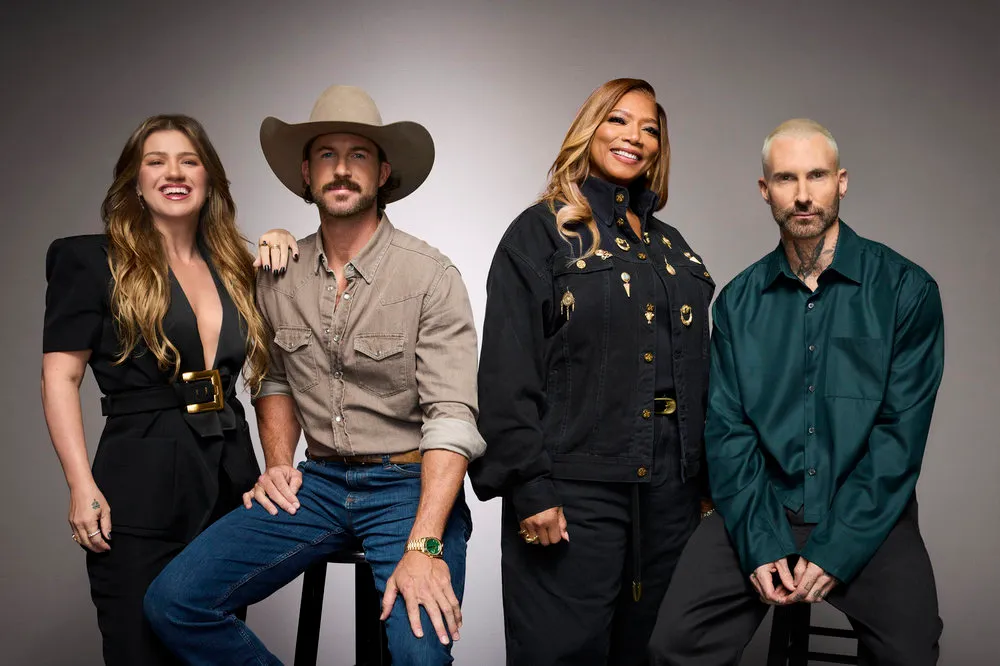
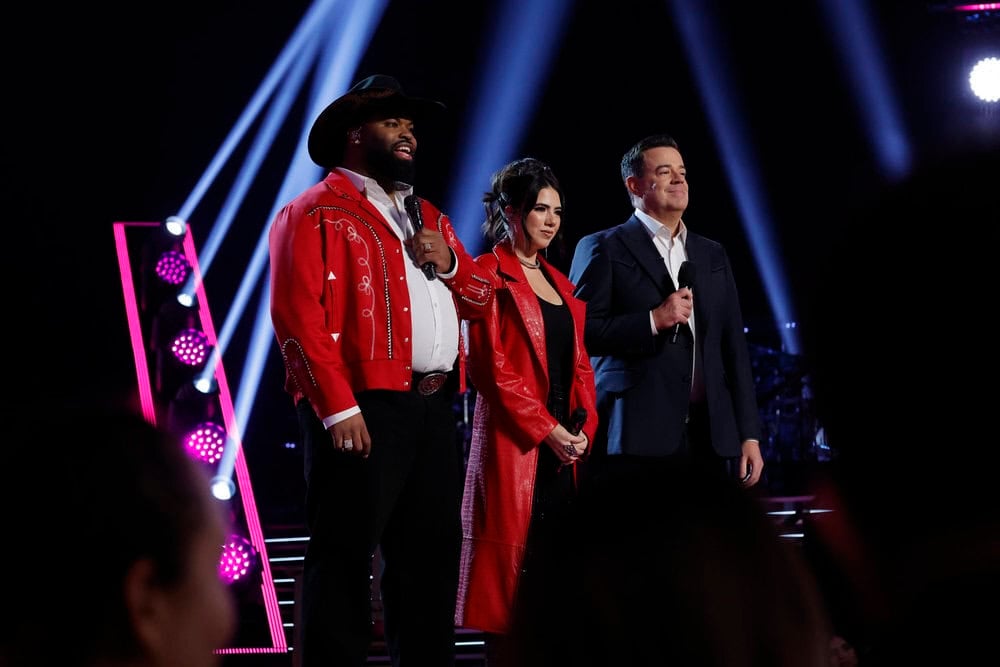
The November 23 episode introduced a major challenge for the remaining contestants. Instead of performing individually, the Top 10 were paired with artists from opposing teams to celebrate Dolly Parton’s legendary music. BigCountry, representing Queen Latifah, joined forces with Adam Levine’s Dakota Cohen for one of the most recognizable songs in country music history.
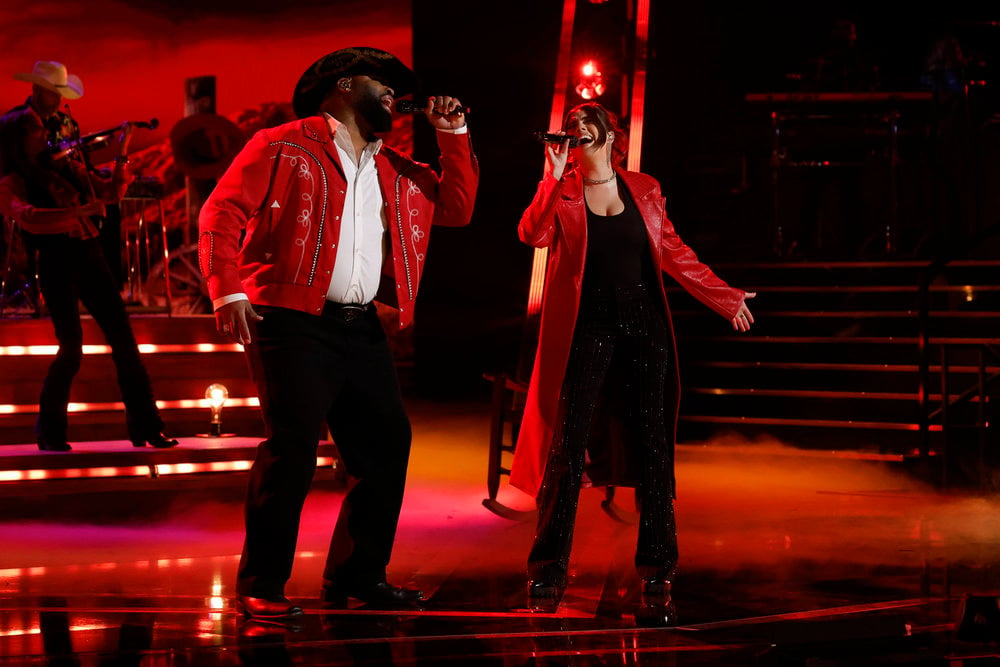
On paper, the pairing was particularly intriguing. BigCountry brought his powerful, country-influenced vocals, while Dakota approached the song with the gritty intensity that had become a defining part of her musical identity. Together, they transformed “Jolene” into a rock-inspired performance that took the familiar classic in a different direction.
Their interpretation was ambitious, but not everyone agreed that it worked. Some viewers appreciated the raw energy and unconventional arrangement, while others questioned whether BigCountry’s powerful delivery overwhelmed certain moments of the song. The performance raised an interesting question about whether taking creative risks so close to the finale was worth the potential consequences.
Adam Levine and Queen Latifah, however, recognized how much effort both contestants had invested in preparing for the performance. Levine acknowledged how significantly the duet had improved since rehearsals, while Latifah expressed pride in their hard work. Unfortunately, their encouragement was not enough to change the outcome of America’s vote.
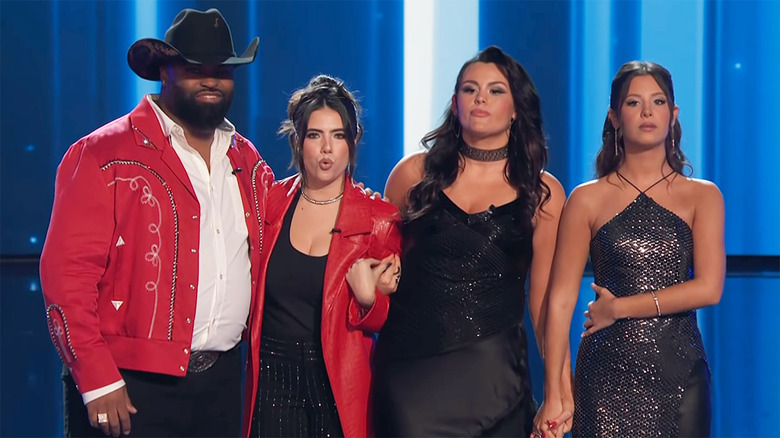
When Carson Daly announced the results, BigCountry and Dakota became the only two contestants eliminated that evening. What made the result particularly disappointing was that both artists had spent the week learning how to complement each other rather than focusing entirely on their individual performances.
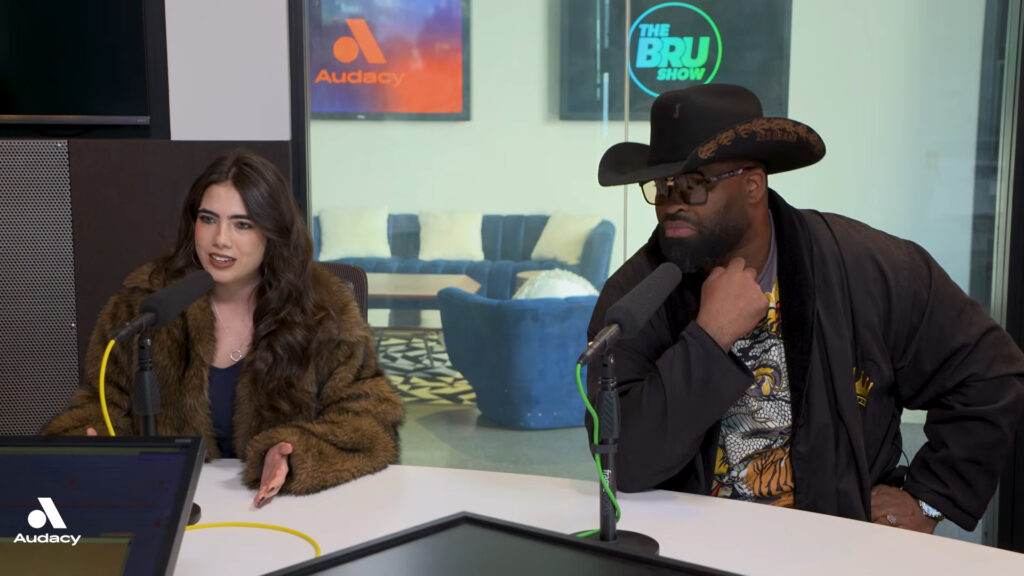
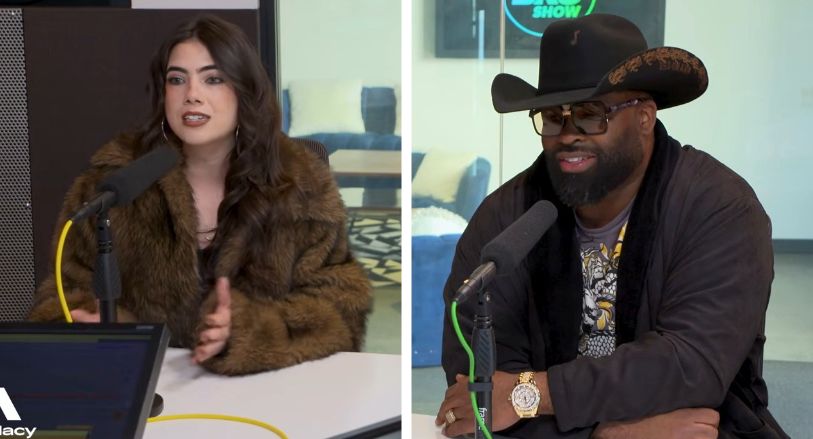
Speaking in an interview the following morning, BigCountry revealed that “Jolene” was actually a song he had hoped to perform. Despite never having sung it before, he welcomed the opportunity to reinterpret such an iconic piece of music and share the stage with Dakota.
“I put my best foot forward and that’s pretty much all I can do,” he explained.
Rather than dwelling on what might have gone wrong, BigCountry appeared satisfied with the artistic choices he had made. He even joked about the intensity of their performance, suggesting that their version had put a definitive exclamation point on Dolly Parton’s famous story.
His comments also revealed an overlooked difficulty of performing duets during the live stages of The Voice. After spending weeks competing against other singers, contestants suddenly have to abandon that mentality and concentrate on creating something together. Finding that balance becomes especially complicated when both performers know their individual futures depend on America’s votes.
Dakota acknowledged that challenge as well. For her, the experience involved protecting her own artistic identity while making enough room for BigCountry’s distinctive voice. At the same time, both singers wanted to respect the original song rather than simply turn it into a showcase for their vocal abilities.
Despite the pressure and eventual elimination, Dakota made her feelings about the experience unmistakably clear.
“I had a blast and I’d absolutely do it again,” she said.
Her response was particularly meaningful considering how much of her journey on The Voice had been about establishing herself as a rock artist. Dakota had consistently embraced a musical direction that distinguished her from many of the competition’s other singers, demonstrating that she was willing to take chances rather than choose the safest possible material.
Looking back, she identified her Blind Audition performance of Black Sabbath’s “Changes” and her Cut Week rendition of Fuel’s “Hemorrhage (In My Hands)” as two performances that best captured who she is as a musician. Both selections reflected her connection to rock music and her desire to bring greater visibility to the genre on the competition stage.
For Dakota, leaving The Voice does not mean stepping away from that ambition. She is looking forward to releasing original songs, connecting with new listeners, performing more frequently and potentially taking her music on tour. The competition may have ended earlier than she wanted, but it has introduced her to an audience that she can continue building independently.
BigCountry is equally determined to move forward, although his plans may surprise viewers who expected him to pursue a strictly country music career. The singer described his future musical direction as “freedom music,” reflecting his desire to explore different sounds without being restricted to a single genre.
From gospel and R&B to funk and rock, BigCountry wants the opportunity to experiment with the musical influences that inspire him. He also hopes to record his original material, giving listeners a more personal understanding of the artist behind his memorable television performances.
Meanwhile, their elimination leaves eight acts competing for the Season 30 title: Brianna Cameron, Connor Closs, Joe Henley, Koumba Diallo, Ferryn & Brinkley, Kyle Davis, Mia Knight and Lexi Stephens. Queen Latifah now has just one remaining artist, while Adam Levine continues with two.
The double elimination also raises a legitimate question about the competition’s decision to introduce cross-team duets at such a crucial stage. A singer who excels during an individual performance may face entirely different challenges when sharing a song with another powerful vocalist. Chemistry, arrangement and musical compatibility suddenly become just as important as individual talent.
In many ways, BigCountry and Dakota’s willingness to embrace those challenges made their final appearance more interesting than a predictable interpretation of “Jolene” might have been. Their performance was not necessarily the safest choice for securing votes, but it demonstrated a commitment to artistic experimentation that could serve both singers well beyond reality television.
Perhaps the most encouraging part of their post-elimination interview was that neither artist appeared interested in blaming the other for the result. Instead, both celebrated the opportunity to collaborate and expressed excitement about their respective musical futures.
Their time on The Voice may be over, but their final performance leaves viewers with something worth debating. Did BigCountry and Dakota Cohen take too big a creative risk with “Jolene,” or did America send home two distinctive artists who deserved another opportunity to prove themselves individually?