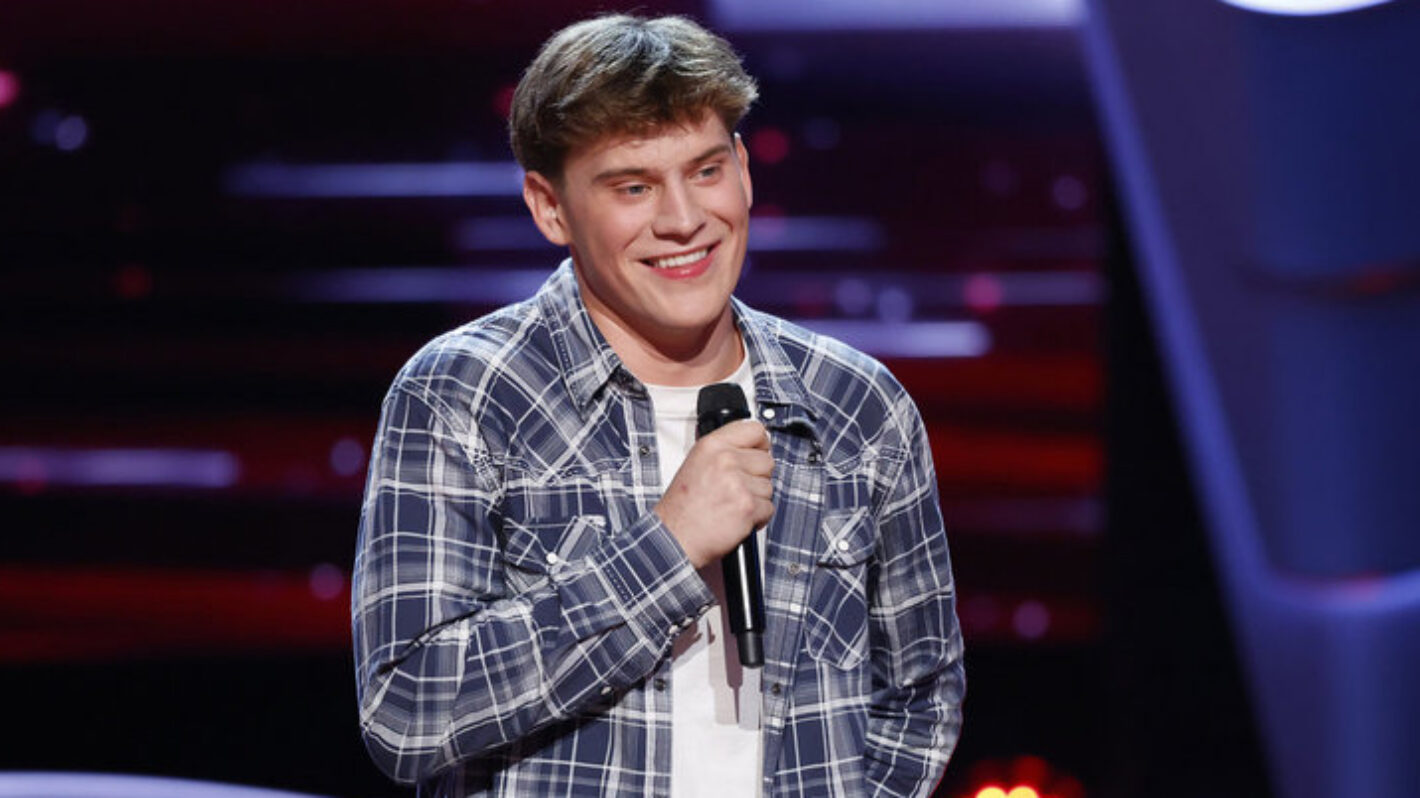
Joe Henley has just survived another crucial round on The Voice, but his next performance could reveal something even more important about his chances of winning Season 30. After advancing to the Top 10 with Lee Ann Womack’s “I Hope You Dance,” the 19-year-old country singer is heading into Dolly Parton Tribute Night, a challenge that could play directly to his musical strengths.
For Henley, the timing is fascinating. His latest performance earned a standing ovation from all four coaches, yet some viewers questioned whether the song was the right fit for his voice. Now, with an entire evening devoted to one of country music’s most influential artists, he has an opportunity to demonstrate exactly what kind of performer he wants to become.
The upcoming November 23 episode will require all 10 remaining contestants to perform songs from Dolly Parton’s catalogue. That creates a particularly interesting situation for Henley, whose journey under coach Riley Green has already established him as a country-focused artist with a distinctive lower register.
Unlike contestants who may need to make a significant stylistic adjustment for the tribute, Henley has experience performing material rooted in traditional country storytelling. During Cut Week, he impressed Green with Keith Whitley’s “Don’t Close Your Eyes,” a song that depends heavily on emotional delivery and the ability to communicate a story through restrained, expressive singing.
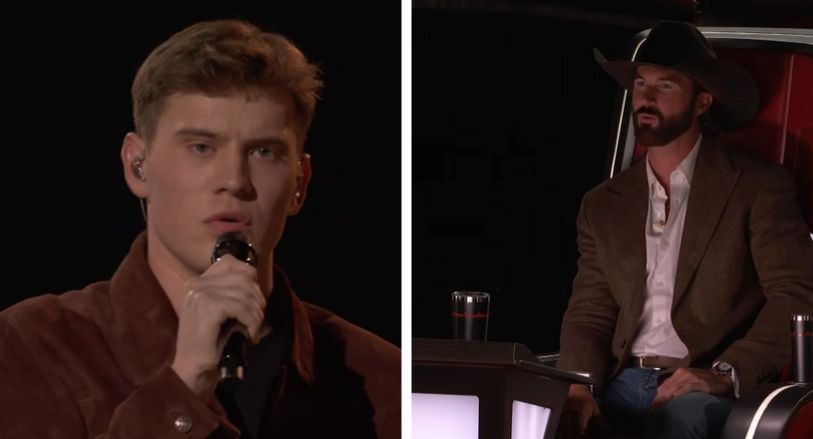
That performance helped Henley earn Green’s final selection for the Live Shows. It also provided an indication of the musical territory in which the young singer can make a strong impression.
His November 16 performance offered a different kind of challenge. Choosing “I Hope You Dance,” originally made famous by Lee Ann Womack, meant approaching a song associated with an uplifting message, emotional warmth, and a familiar melodic structure. It was an opportunity to demonstrate versatility, but it also invited comparisons with a recording that many country listeners know well.
Henley delivered enough to earn another standing ovation from the coaches, his second consecutive week receiving that recognition. Green was especially enthusiastic, telling him, “Joe, you crushed it, man,” and describing him as one of the most naturally talented performers in the competition.
The praise was significant because Green has watched Henley develop throughout the season. As his coach, he has seen the singer navigate the pressures of advancing through different rounds, adapting to new material, and performing when the stakes are increasingly high.
But the audience response raised an important question. Even when a contestant sings well, does the song itself allow viewers to hear the qualities that make that artist special?
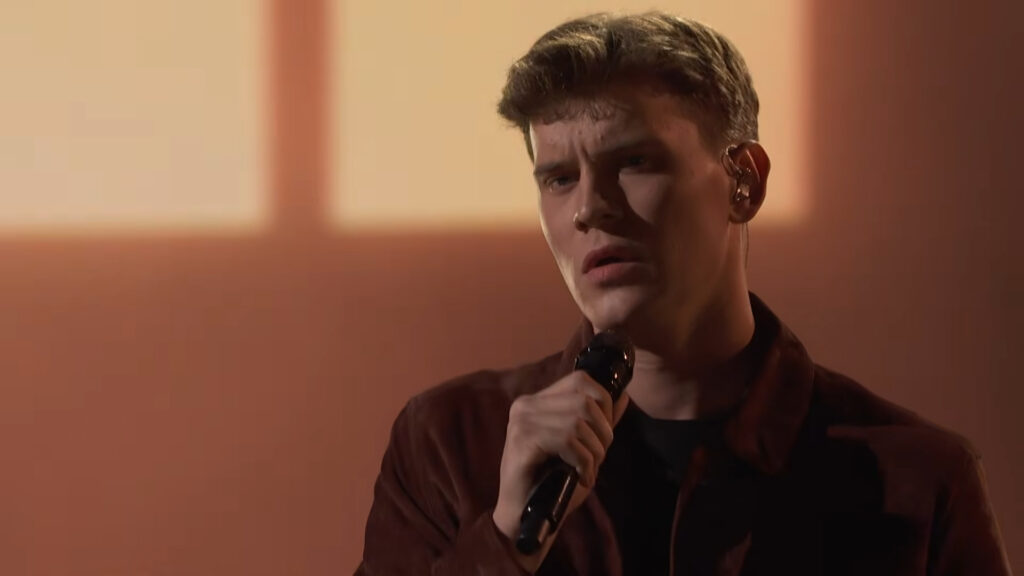
Some of the comments following Henley’s performance suggested that listeners were wrestling with precisely that distinction. Certain viewers praised his voice while questioning the suitability of the selection. Others remained convinced that he deserved to win, regardless of whether this particular performance represented his strongest work.
Those reactions do not establish a universal verdict on the performance, but they do highlight a genuine artistic challenge. A singer can receive enthusiastic praise from the coaches and still leave some viewers wanting a different musical direction.
That is where Dolly Parton Tribute Night becomes especially compelling.
Parton’s catalogue includes songs built around heartbreak, resilience, personal reflection, love, and the complexities of ordinary life. Her songwriting frequently places the emotional meaning of a lyric at the centre of the performance, rather than relying exclusively on vocal power.
For a singer like Henley, whose lower register has already attracted positive attention, that could offer an opportunity to create something memorable. A thoughtful arrangement might allow him to focus on phrasing, tone, and emotional interpretation while demonstrating the country identity that has shaped his journey.
One particularly intriguing possibility would be a song such as “I Will Always Love You.” Although many listeners associate it with Whitney Houston’s soaring interpretation, Parton wrote and originally recorded the song herself, delivering it with a more understated country approach.
A performer does not need to reproduce either famous recording to make the song effective. In fact, Henley could potentially benefit from taking it in a different direction, using his lower register and a restrained arrangement to emphasise the emotion behind the lyrics.
Another interesting possibility would be “Coat of Many Colors,” one of Parton’s most personal and recognisable compositions. Its storytelling demands an understanding of the song’s emotional meaning, making it a very different challenge from simply delivering a technically impressive vocal.
Neither song has been confirmed as Henley’s selection. But both illustrate why the upcoming tribute could offer him an opportunity to establish a clearer artistic identity.
There is also the question of how Green might guide his contestant. As a country artist himself, Green understands the importance of connecting with an audience through songs that feel authentic to the performer. His enthusiasm for Henley suggests considerable confidence in the young singer’s abilities.
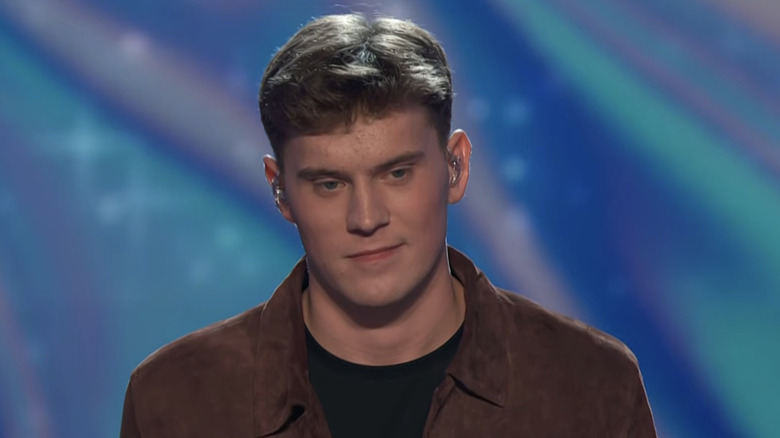
Still, choosing the right material becomes increasingly important as the competition narrows. With only 10 acts remaining, every contestant needs to deliver a performance that viewers remember when it is time to vote.
Henley has already demonstrated that he can handle a difficult position in the running order. On November 16, he performed last, leaving viewers only a short period to cast their votes before the window closed. Despite that disadvantage, he received enough support to advance.
That result is meaningful. It shows that Henley was able to secure a place in the next round even with limited voting time following his performance.
However, surviving one public vote does not guarantee another successful result. The Top 10 includes talented artists from four teams, each with different vocal strengths, musical influences, and supporters.
Team Kelly Clarkson has Brianna Cameron, Koumba Diallo, and Kyle Davis. Adam Levine continues with Connor Closs, Lexi Stephens, and Dakota Cohen, while Queen Latifah has Mia Knight and BigCountry. Green also has the duo Ferryn and Brinkley competing alongside Henley.
With every contestant performing material associated with the same legendary songwriter, the next episode could offer an especially interesting comparison of musical interpretation.
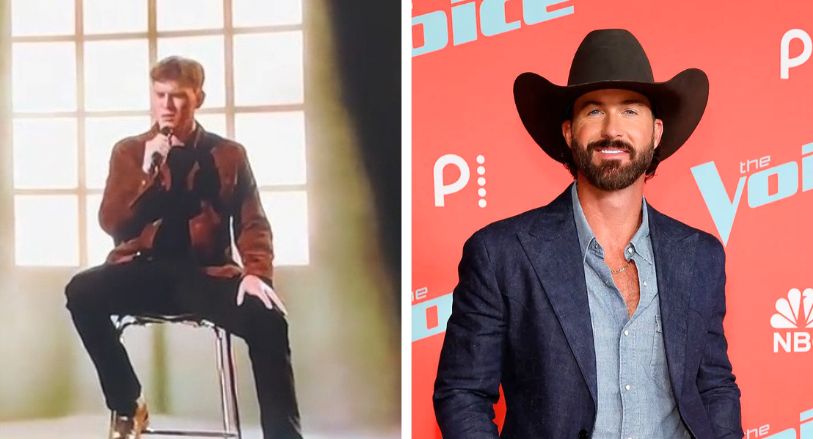
Some singers may approach Parton’s songs through pop arrangements, while others could embrace their traditional country foundations. The challenge will be finding an approach that honours the original material without making the performance feel like an imitation.
For Henley, the most promising strategy may be to resist the temptation to make his performance unnecessarily elaborate. His previous success with Keith Whitley’s music suggests that direct, emotionally grounded country singing is a potentially effective direction for him.
That does not mean he should avoid taking risks. Rather, the strongest risk might be choosing a song that requires greater vulnerability or more subtle storytelling instead of relying on familiar vocal strengths.
In my view, this is the kind of performance that could help distinguish Henley from other talented contestants. The coaches already recognise his ability, and he has secured public support. What he needs now is a moment that makes his artistic identity unmistakable.
The November 23 tribute presents exactly that possibility, although the outcome will depend on his song choice, arrangement, and delivery.
Henley has made it into the Top 10, earned repeated standing ovations, and demonstrated that he can survive a high-pressure live vote. But the next stage could be less about proving that he has a good voice and more about showing viewers why his voice deserves to be heard beyond the competition.
Should Joe Henley lean into his traditional country roots for Dolly Parton Tribute Night, or would a surprising new arrangement give him a better chance of reaching the finale? And which Dolly Parton song would bring out the very best in his voice?