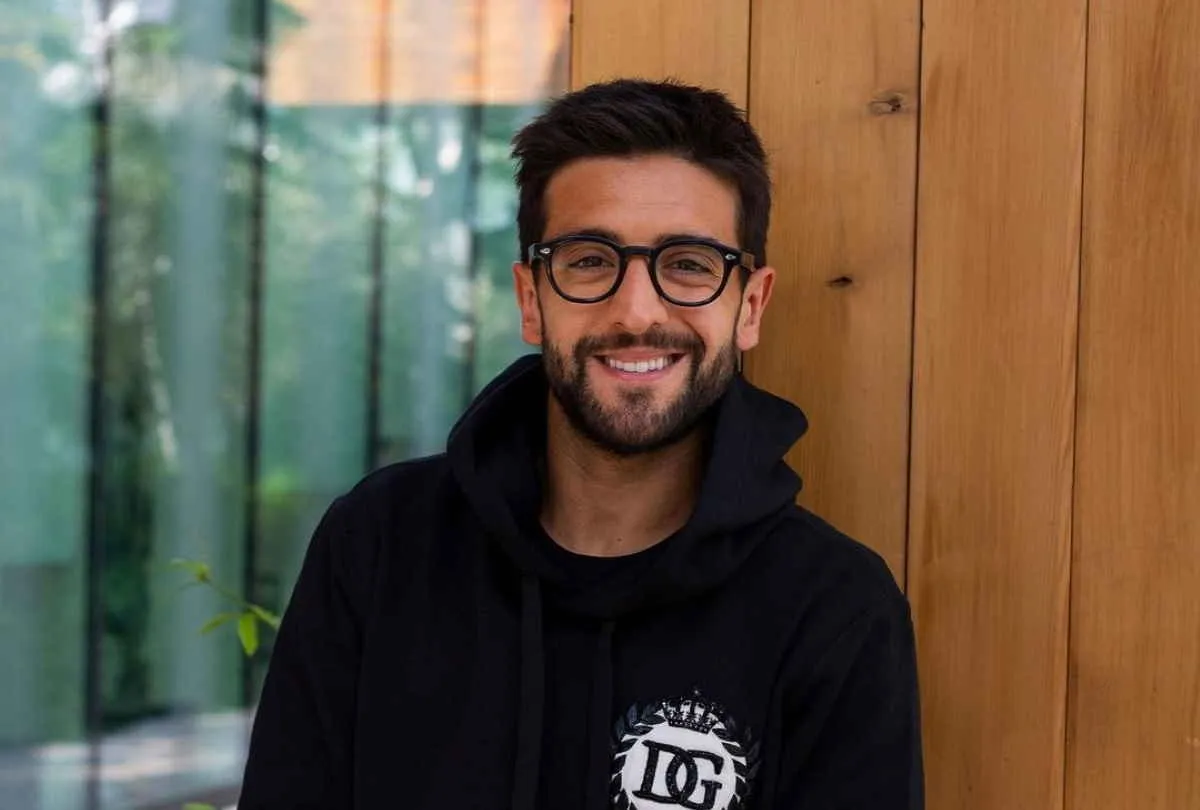
A reported off-camera moment involving Piero Barone has sparked widespread discussion online, turning what was allegedly a private exchange into a much larger conversation about media ethics, personal boundaries, and life under constant public scrutiny.
What began as an unconfirmed behind-the-scenes incident quickly gained momentum after claims surrounding the interaction circulated across social media. According to reports shared online, the situation involved an alleged comment made during a break in filming with an Italian television journalist. While the exchange was reportedly never intended for public broadcast, discussions surrounding the incident spread rapidly once related footage and accounts began attracting attention.
Within a matter of hours, fans, commentators, and entertainment outlets were weighing in.
A Public Figure at the Center of a Private Moment
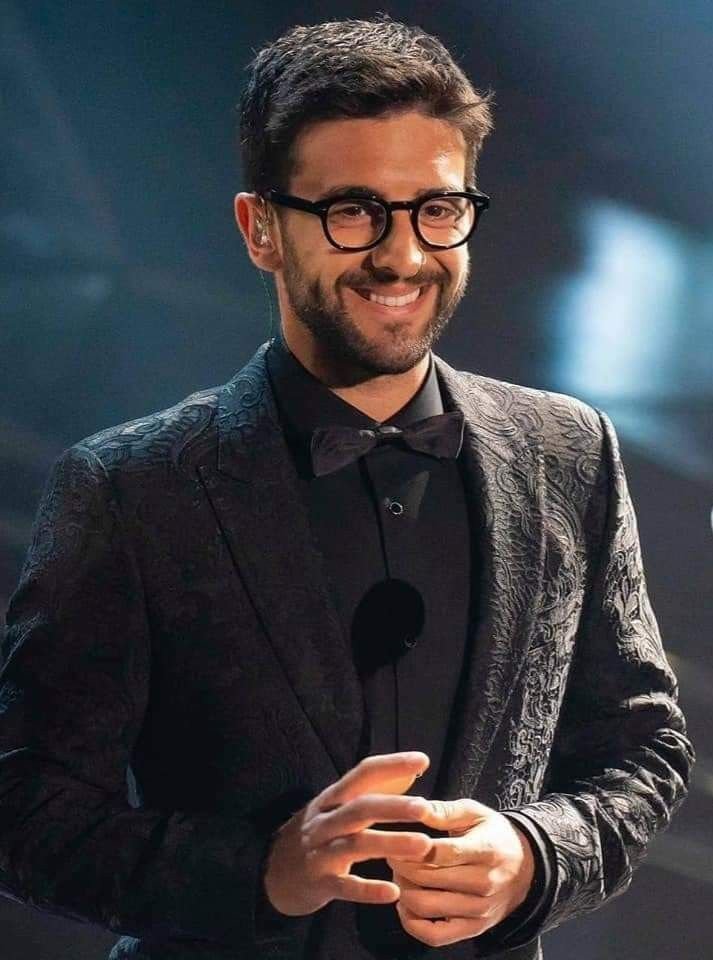
For many observers, the story immediately drew attention because of the individual involved.
As one-third of Il Volo, Barone has spent years building a reputation based on professionalism, musical excellence, and a close connection with audiences around the world. His work alongside fellow members Gianluca Ginoble and Ignazio Boschetto has helped establish the group as one of the most recognizable names in contemporary classical crossover music.
Because of that visibility, even an alleged off-camera moment was enough to trigger significant public interest.
Many fans quickly came to Barone’s defense, arguing that celebrities deserve the same expectation of privacy and context that anyone else would expect during moments away from official broadcasts. Others commended what they perceived as a measured response to the growing discussion rather than allowing speculation to dominate the narrative.
The Bigger Issue Behind the Headlines
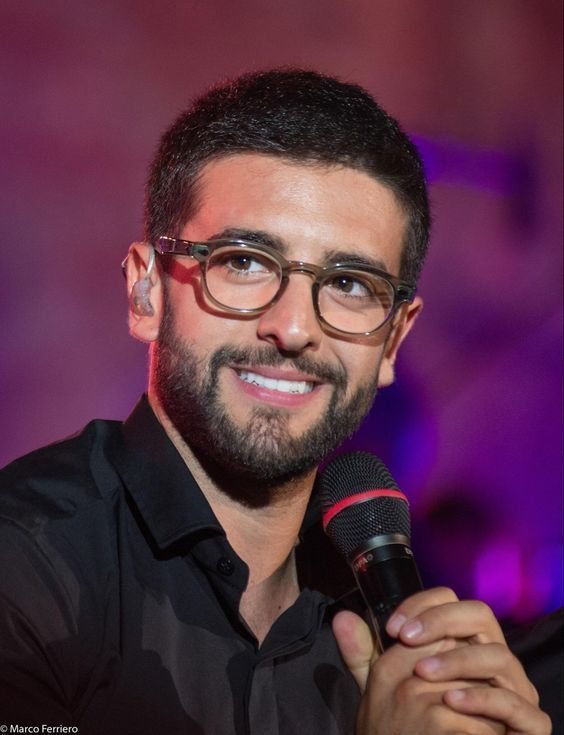
As conversations expanded beyond the original claims, the focus gradually shifted toward broader questions affecting modern media culture.
Commentators began discussing the increasingly blurred line between public and private interactions. In an era where smartphones, cameras, and social media platforms can instantly transform casual moments into viral content, many questioned whether remarks made off-air should be judged by the same standards as statements delivered in front of a live audience.
The discussion also touched on professional conduct, newsroom ethics, and the responsibility that comes with sharing unverified or incomplete information online.
For some observers, the situation became less about the reported exchange itself and more about how quickly narratives can form before all facts are fully understood.
When Every Moment Can Become a Headline
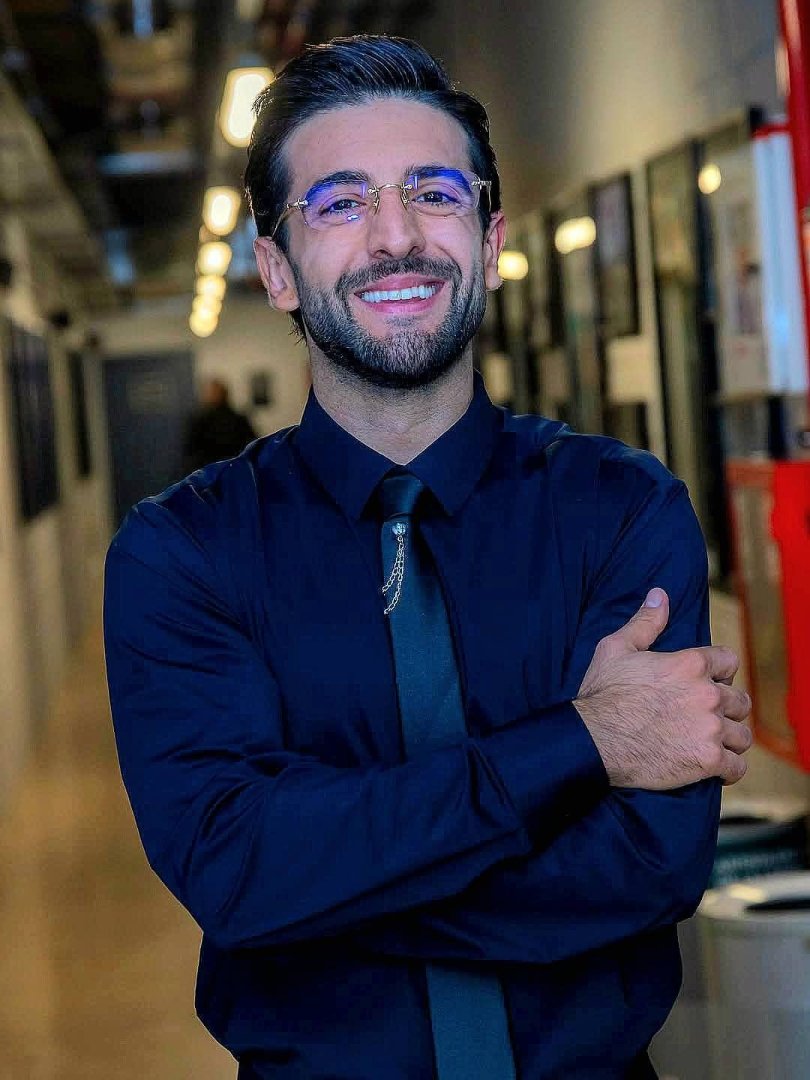
The incident serves as another reminder of the realities facing public figures in today’s digital landscape.
A single interaction—whether confirmed, disputed, or misunderstood—can rapidly evolve into a worldwide conversation. Social media platforms often accelerate those discussions, allowing opinions, interpretations, and assumptions to spread long before official clarification emerges.
In Barone’s case, supporters have largely focused on the body of work and public image he has cultivated throughout his career rather than allowing one reported moment to define the conversation.
A Conversation That Extends Beyond One Artist
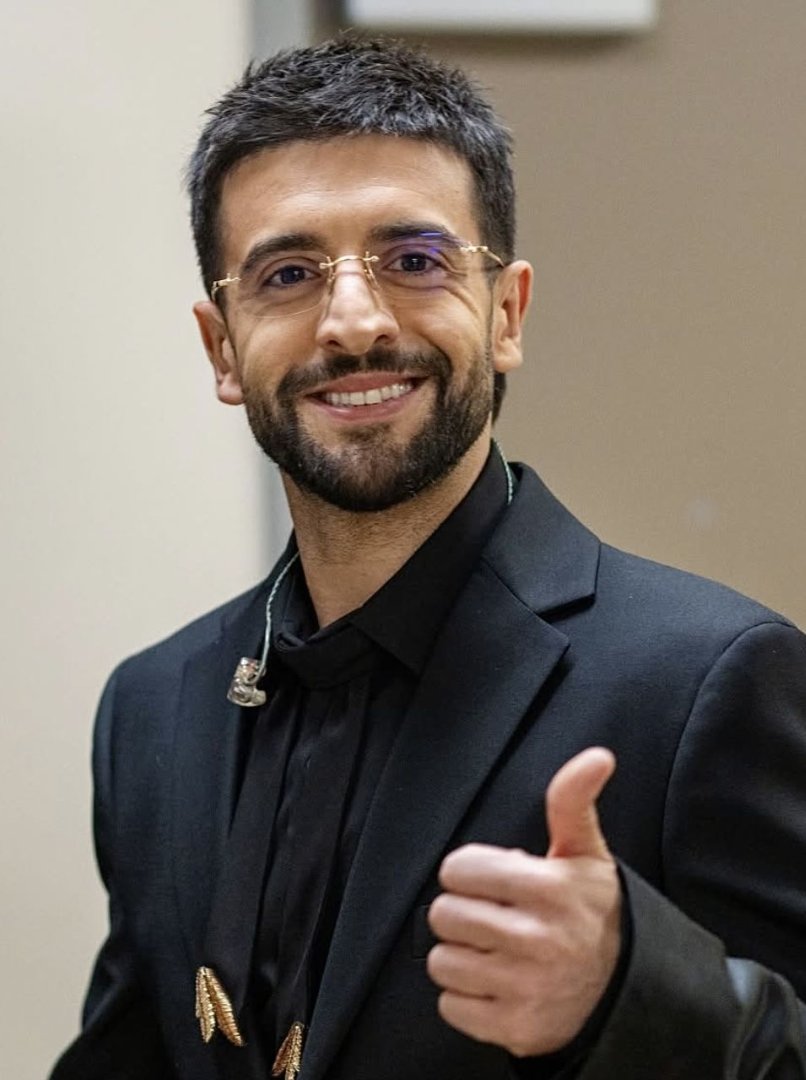
While the long-term impact of the reported incident remains unclear, the discussion it generated continues to resonate with audiences.
At its core, the debate reaches beyond one performer or one alleged exchange. It raises enduring questions about privacy, accountability, media responsibility, and the challenges of navigating public life in a world where virtually every interaction has the potential to become public.
For many fans, the story has reinforced a simple belief: that respect, context, and fairness remain just as important as ever—both on camera and off.