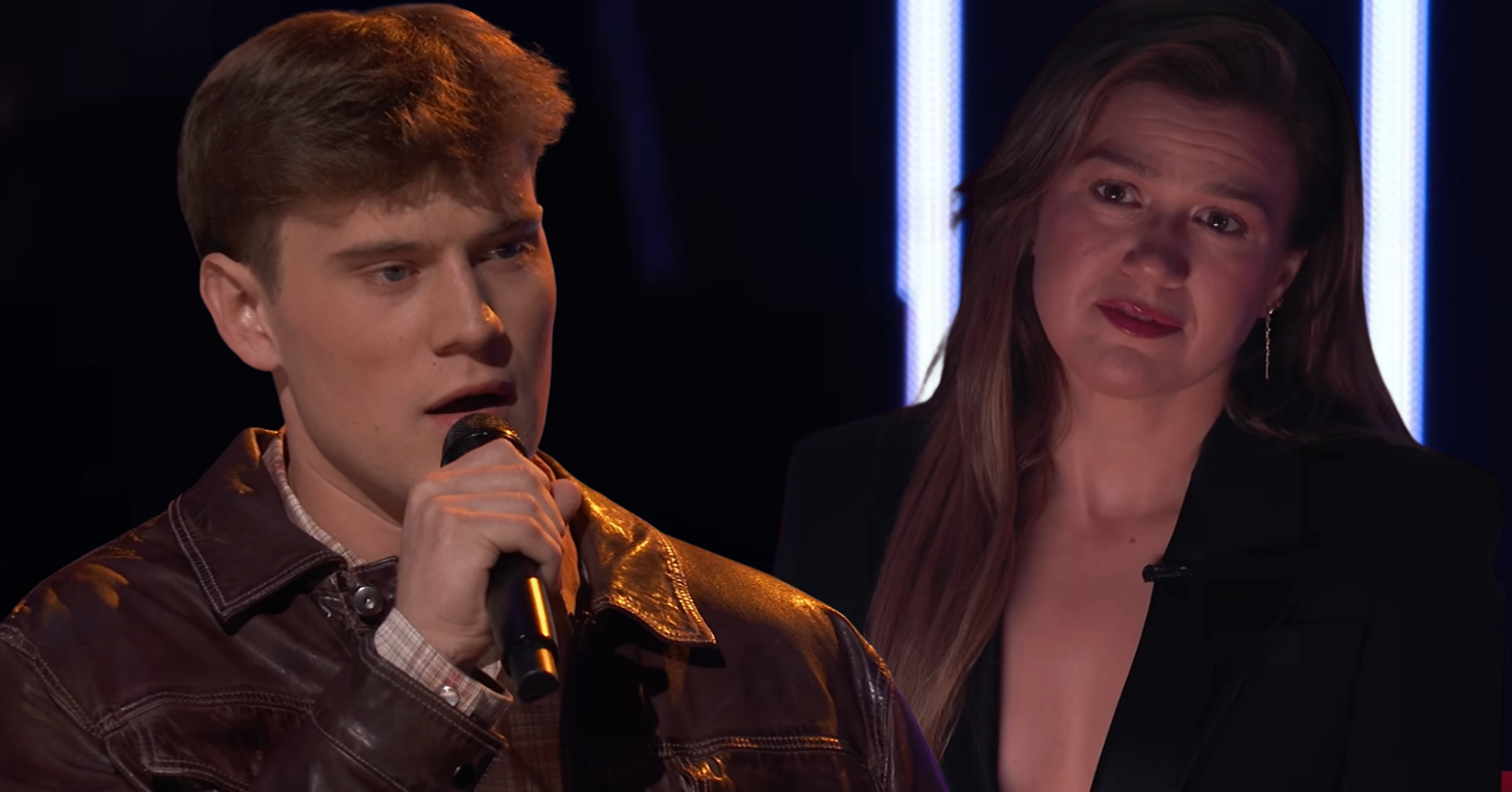
At 19, Joe Henley has already made an impression on millions of The Voice viewers. His deep, unmistakably traditional country voice turned heads during his Blind Audition, but his journey to the NBC stage is far less conventional than fans might expect. Just months before appearing on national
In fact, his September 21, 2026, audition marked his first major public performance. With no established professional music background, Henley went from a small-town upbringing to competing in one of America’s biggest singing competitions almost overnight.
And there is considerably more to his story than that memorable audition.
A Childhood Shaped by Gospel Music and Country Legends
Henley’s musical foundation began in Grand Bay, Alabama, a small rural community in the southern part of the state. His grandparents ran a small ministry, giving him early exposure to gospel hymns and opportunities to sing in front of others.
As his musical interests developed, he gravitated toward traditional country legends rather than the more contemporary sounds dominating the charts.
Among his influences were:
- Travis Tritt
- Keith Whitley
- Don Williams
- George Strait
Their distinctive vocals and storytelling helped shape the sound he gravitated toward, even though becoming a professional singer was never part of his original plan.
That connection to traditional country music became particularly clear when Henley chose Travis Tritt’s ballad Any More for his Blind Audition. His naturally deep voice was enough to get both Kelly Clarkson and Riley Green to turn their chairs.
For a teenager with so little performance experience, it was quite an introduction.
Before The Voice, Basketball Was His Main Priority
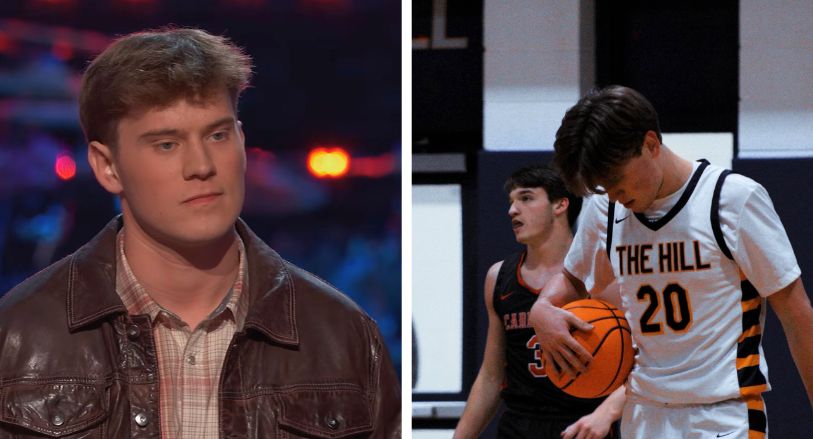
Long before audiences discovered his singing voice, Henley was making a name for himself on the basketball court.
He attended Cottage Hill Christian Academy in Mobile, Alabama, where he played varsity basketball before graduating in 2026.
At 6 feet 5 inches tall, Henley played shooting guard and small forward, wearing jersey number 20 during his junior and senior seasons.
One of his notable performances came in November 2024, when he scored 21 points against McGill-Toolen High School.
His final high school basketball games took place in February 2026, only months before his television debut.
The contrast is striking: one chapter of his life revolved around competitive high school basketball, while the next put him in front of millions of viewers as a country singer.
The Moment That Won Him Over to Riley Green
Henley’s Blind Audition wasn’t memorable for his voice alone. His interactions with the coaches quickly became part of the story.
Throughout his performance, the young singer repeatedly looked toward Riley Green. Kelly Clarkson noticed the connection and even walked onto the stage wearing a cowboy hat, playfully attempting to steal his attention.
But Green had another idea.
After both coaches made their pitches, he asked Henley to name his favorite song from his catalog. Henley picked My Way, prompting Green to grab an acoustic guitar and join him for an impromptu duet.
It was a natural moment between two artists who shared an appreciation for traditional country music.
Henley ultimately chose Team Riley, and Green welcomed his new contestant with customized Team Riley Carhartt bib overalls.
Clarkson, meanwhile, couldn’t resist joking about just how much attention Henley had been giving her fellow coach.
For the young Alabama singer, the decision meant more than simply picking a team. Green represented an opportunity to learn from an established country artist whose musical style closely matched his own.
His Inexperience Became Impossible to Hide During the Battle Rounds
Getting two chairs to turn was one thing. Learning how to perform comfortably on a professional television stage was another.
That difference became apparent during the Battle Rounds, when Green paired Henley with Kenna Elpers, a 23-year-old country singer from Indiana who already had experience performing in the independent music scene.
Their assignment was Don’t Mind If I Do, Green’s duet with Ella Langley.
While the pairing brought together two country voices, rehearsals exposed Henley’s unfamiliarity with the practical side of performing.
He struggled with seemingly basic details, including:
- Handling a microphone stand.
- Moving naturally around the stage.
- Following technical performance instructions.
Battle advisor Carly Pearce affectionately compared him to a puppy with oversized paws. Green also poked fun at his awkwardness with the equipment, while Elpers helped him navigate the unfamiliar experience.
It was a revealing glimpse of just how new this world was to Henley.
Yet when the performance began, his vocal ability proved that he belonged on the stage.
Kelly Clarkson praised Elpers’s delicate vibrato but also singled out something special in Henley’s voice, telling him he had the Randy Travis effect. Adam Levine and Queen Latifah likewise recognized his distinctive sound.
Ultimately, Green chose Henley as the winner of the battle.
Elpers’s journey on the show came to an end, while Henley secured his place in Cut Week.
Millions of Views Are Bringing His Voice to a Much Bigger Audience
Henley’s growing popularity is no longer limited to viewers watching The Voice on NBC.
By late October 2026, his Blind Audition had accumulated approximately:
- 1.8 million views on YouTube.
- 3.1 million views on Facebook.
His Battle Rounds performance had also surpassed half a million YouTube views.
Meanwhile, Henley has started giving fans more opportunities to hear him outside the competition.
On October 14, he shared an acoustic performance of Vince Gill’s If I Didn’t Have You in My World, recorded at home and posted to Instagram.
Two days later, he appeared in a live video session hosted by Talented Universe.
These appearances offer a more personal look at his musical tastes and developing performance style as he begins building an audience of his own.
For someone whose first major public performance happened only weeks earlier, the growing attention represents a significant change.
television, the Alabama teenager was focused on basketball, not building a music career.